
9V Nickel Metal Hydride Battery
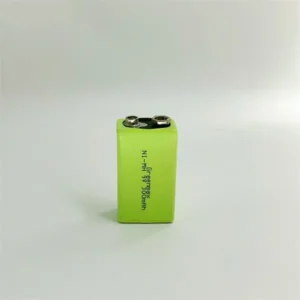
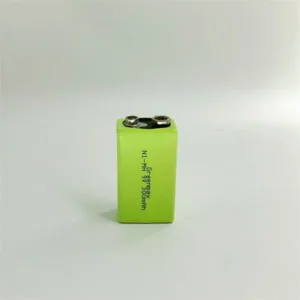
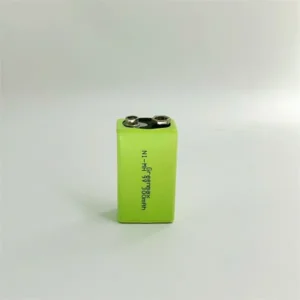
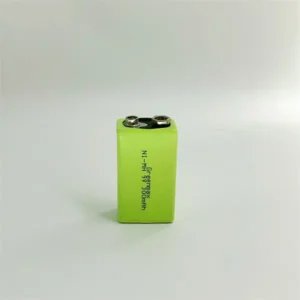
A 9V nickel metal hydride battery is a rechargeable 9V-class block battery used in devices that need reusable power, snap-terminal connection, and compact PP3 / 6F22 size compatibility. GMCELL supplies 9V NiMH batteries in multiple capacities, including 160mAh, 180mAh, 200mAh, 220mAh, and 250mAh, for consumer devices, meters, alarms, microphones, and OEM sourcing needs.
Available 9V NiMH Battery Models
What Is a 9V Nickel Metal Hydride Battery?
A 9V nickel metal hydride battery is a rechargeable 9V-class battery built in the familiar PP3, 6F22, or E-block shape. It uses standard 9V snap terminals, so it can fit many devices designed for rectangular 9V batteries.
One important detail is voltage. Rechargeable 9V NiMH batteries may be labeled as 8.4V, 9V-class, or 9.6V depending on whether the internal pack uses 7 or 8 NiMH cells. For replacement use, the device voltage range and charger compatibility should be checked before choosing a model.
Unlike disposable alkaline 9V batteries, NiMH versions are made for repeated charging and reuse. They are better suited when the device is used often, when replacement cost matters, or when a buyer wants a rechargeable option for ongoing supply.
9V160–250mAh NiMH Battery Capacity Guide & Applications
The right 9V NiMH battery capacity depends on how the device uses power. A lower-capacity model can work well in light-use devices, while higher-capacity options are better when runtime, repeated use, or professional reliability matters.
For sourcing, the best choice is not always the highest mAh number. Buyers should match capacity with runtime needs, device current draw, charger behavior, storage conditions, and the space available inside the battery compartment.
| Capacity | Typical Role | Common Applications | Selection Note |
|---|---|---|---|
| 160mAh | Light-use / compact | Remotes, toys, small electronics | Lower capacity for smaller power demand |
| 180mAh | Low-drain standby | Smoke alarms, microphones, emergency lighting | Stable long-term use |
| 200mAh | Balanced use | Multimeters, thermometers, detectors | General replacement option |
| 220mAh | Longer runtime | Microphones, audio devices, medical devices | Better for frequent use |
| 250mAh | Higher runtime | Professional portable devices | Choose when runtime matters more |
8.4V vs 9V vs 9.6V Rechargeable 9V Batteries
A “9V battery” is often a size and connection category, not always an exact 9.0V output. In rechargeable NiMH versions, a 7-cell design is commonly rated around 8.4V nominal, while an 8-cell design may be rated around 9.6V nominal. The fully charged voltage can also be higher than the nominal value.
For replacement, do not choose by the printed “9V” name only. Check whether the device accepts the voltage range, whether the snap terminals fit correctly, and whether the charger is designed for the same rechargeable NiMH battery type.
If you want a deeper explanation of this voltage difference, read: Why Are Rechargeable 9V Batteries 8.4V?
Where Are 9V NiMH Batteries Commonly Used?
9V NiMH batteries are used where a compact rectangular battery, snap-terminal connection, and rechargeable operation make sense. They are common in both everyday devices and professional tools, especially when the device is used repeatedly and disposable battery replacement becomes costly.
The examples below are a quick application map. For final selection, the device load, expected runtime, standby requirement, charger type, and battery compartment space should still be checked.
| Application Group | Common Devices | Selection Focus |
|---|---|---|
| Safety and standby devices | Smoke alarms, CO detectors, emergency lighting | Low self-discharge, storage retention, stable standby power |
| Audio and wireless devices | Wireless microphones, pedals, personal audio systems | Runtime, voltage stability, frequent recharge support |
| Test and measuring tools | Multimeters, thermometers, detectors, electronic scales | Reliable output, replacement consistency, charger match |
| Consumer electronics | Remote controls, clocks, toys, portable electronics | Cost saving, reusable supply, simple replacement |
| Professional equipment | Medical devices, field instruments, service tools | Batch consistency, datasheet support, repeatable sourcing |
Charging and Compatibility Notes
A 9V NiMH battery should be charged with a charger designed for rechargeable 9V NiMH batteries. Do not use a normal alkaline battery charger, because alkaline batteries are not made for recharging and the charging behavior is different.
Standard charging time and fast charging support depend on the exact battery model and charger output. A smart charger is preferred because it can recognize NiMH charging behavior and stop or reduce charging current when the battery is full.
Before replacement or bulk sourcing, confirm the voltage class, snap-terminal fit, charger compatibility, expected runtime, and storage requirement. These checks help avoid a battery that fits physically but performs poorly in the actual device.
How to Choose the Right 9V NiMH Battery
The right 9V NiMH battery is not decided by capacity alone. A higher mAh number may give longer runtime, but only if the device accepts the voltage, the snap terminals fit correctly, and the charger matches the battery design.
Use this checklist before choosing a replacement model or preparing a B2B sourcing request.
| Step | What to Check | Why It Matters |
|---|---|---|
| 1 | Check device voltage tolerance | Some devices accept 8.4V, while others may require a different 9V-class range. |
| 2 | Confirm snap-terminal fit | The battery must connect firmly to the device contacts or battery clip. |
| 3 | Choose capacity by runtime need | 160mAh to 250mAh options serve different runtime and usage patterns. |
| 4 | Match charger type | A 9V NiMH battery needs a compatible NiMH charger, not a charger for disposable cells. |
| 5 | Check storage and self-discharge needs | Low self-discharge is useful for standby, emergency, and service inventory use. |
| 6 | Confirm B2B supply details | For OEM or wholesale orders, check labeling, packaging, batch consistency, and datasheet support. |
Related 9V NiMH Battery Topics
Some questions deserve their own page instead of being squeezed into a short FAQ. If you are comparing battery types, checking voltage behavior, or trying to understand battery construction, the related guides below can help you make a cleaner decision.
These topics are useful for learning and selection. This page remains focused on the 9V Nickel Metal Hydride Battery product range and sourcing path.
FAQ About 9V Nickel Metal Hydride Batteries
These questions focus on product selection, replacement, charging, and sourcing. If you are choosing between 160mAh, 180mAh, 200mAh, 220mAh, or 250mAh models, confirm voltage class, snap-terminal fit, charger type, and expected runtime before ordering.
Is a 9V NiMH battery exactly 9 volts?
Not always. “9V” often refers to the battery size and snap-terminal format. Rechargeable 9V NiMH batteries may be 8.4V, 9V-class, or 9.6V depending on the number of internal NiMH cells. Check the device voltage tolerance before replacement.
Can I replace a 9V alkaline battery with a 9V NiMH battery?
In many devices, yes, but it should not be assumed only from the 9V shape. Confirm the device accepts the rechargeable voltage range, the snap terminals fit firmly, and the usage pattern suits a rechargeable NiMH battery instead of a disposable alkaline battery.
Which capacity should I choose: 160mAh, 180mAh, 200mAh, 220mAh, or 250mAh?
Choose by device load and runtime need. 160mAh is better for light-use devices, 180mAh suits low-drain standby use, 200mAh works as a balanced option, 220mAh supports more frequent use, and 250mAh is better when longer runtime matters.
Do 9V NiMH batteries need a special charger?
Yes. Use a charger made for rechargeable 9V NiMH batteries. A proper charger should match the battery voltage class and include NiMH charging control such as automatic stop, trickle charge, or smart monitoring to reduce overheating risk.
Are 9V NiMH batteries suitable for smoke detectors?
They can be used in some smoke detectors, but the detector manufacturer’s battery guidance should be checked first. For standby safety devices, low self-discharge performance, voltage behavior, replacement schedule, and alarm compatibility matter more than capacity alone.
What does PP3 or 6F22 mean?
PP3 and 6F22 are common names for the rectangular 9V battery format. For this product range, they mainly describe the block shape and snap-terminal layout, helping buyers confirm physical fit in devices designed for standard 9V batteries.
Can GMCELL supply 9V NiMH batteries for OEM or bulk orders?
Yes. GMCELL can support 9V NiMH battery supply for wholesale, OEM, and repeat purchasing needs. For smoother confirmation, prepare the target capacity, voltage class, packaging requirement, label request, datasheet need, and expected order quantity.