
Batteries You Can Buy With Confidence
When you buy a battery, what matters is not just how it looks on paper, but how reliably it performs in real use. That is why we focus on making every batch more stable, more consistent, and more dependable.
Our brand is built around one clear goal: helping you avoid the common pitfalls that often come with battery buying.
More Than a Battery Seller
You are not just choosing a product. You are choosing whether the battery can deliver steady performance from batch to batch, over time, and in real-world use — not just attractive numbers on a spec sheet.
Built to Help You Avoid Pitfalls
Our goal is to help you reduce the risks that make battery buying frustrating — unstable quality, inconsistent performance, and products that do not live up to what you expected.
Confidence Starts With Control
Our own factory is the foundation behind that confidence. It allows us to maintain stronger control over consistency, take clearer responsibility, and stand behind our quality commitments with greater confidence.
What this means for you: you are not just choosing based on price or headline numbers. You are choosing controllable quality, long-term stability, and responsibility you can trust.
Real Factory. Real Process. Real Accountability.
When you evaluate a battery supplier, broad claims are never enough. What matters more is whether you can see the operating facts behind the brand.
From incoming materials and production control to inspection, testing, warehouse management, and third-party review, these are the key steps you can use to judge whether a factory is operating within a real and trackable system.
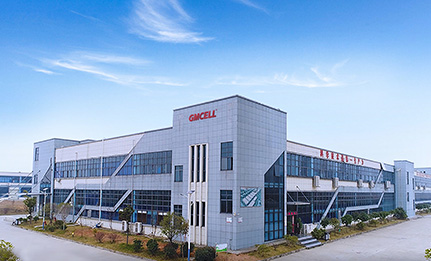
Factory Site & Exterior
For you, this is the most direct starting point: a visible factory site helps show that the brand is supported by a real operating base, not just a name without production presence.
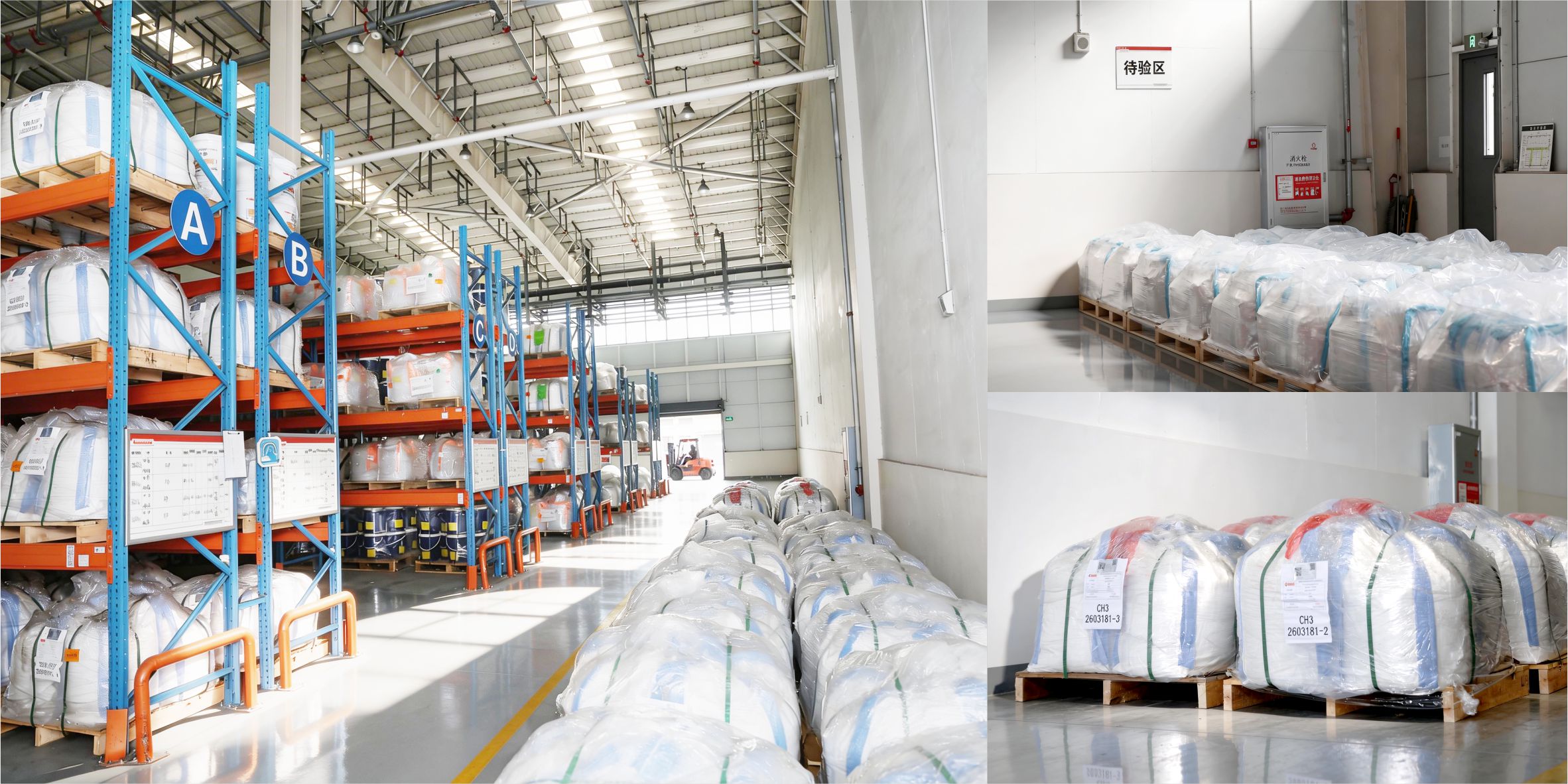
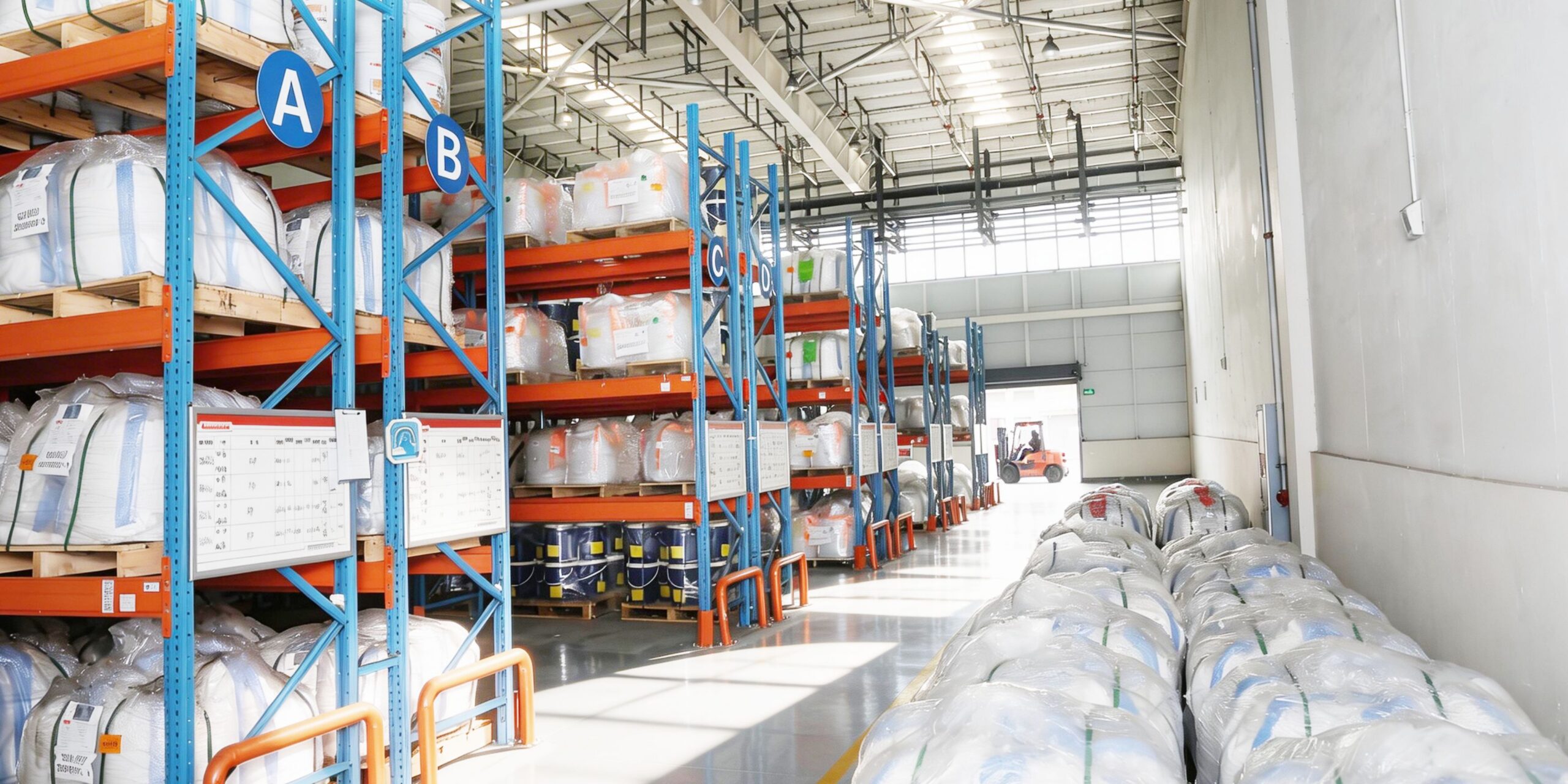
Raw Material Storage Area
A dedicated material zone helps you see that production does not begin from ad hoc sourcing alone. It reflects a more organized supply basis before manufacturing starts.

Incoming Material Inspection
This helps you see that materials are not simply accepted and pushed directly into production. Verification before use is part of a more controlled operating approach.
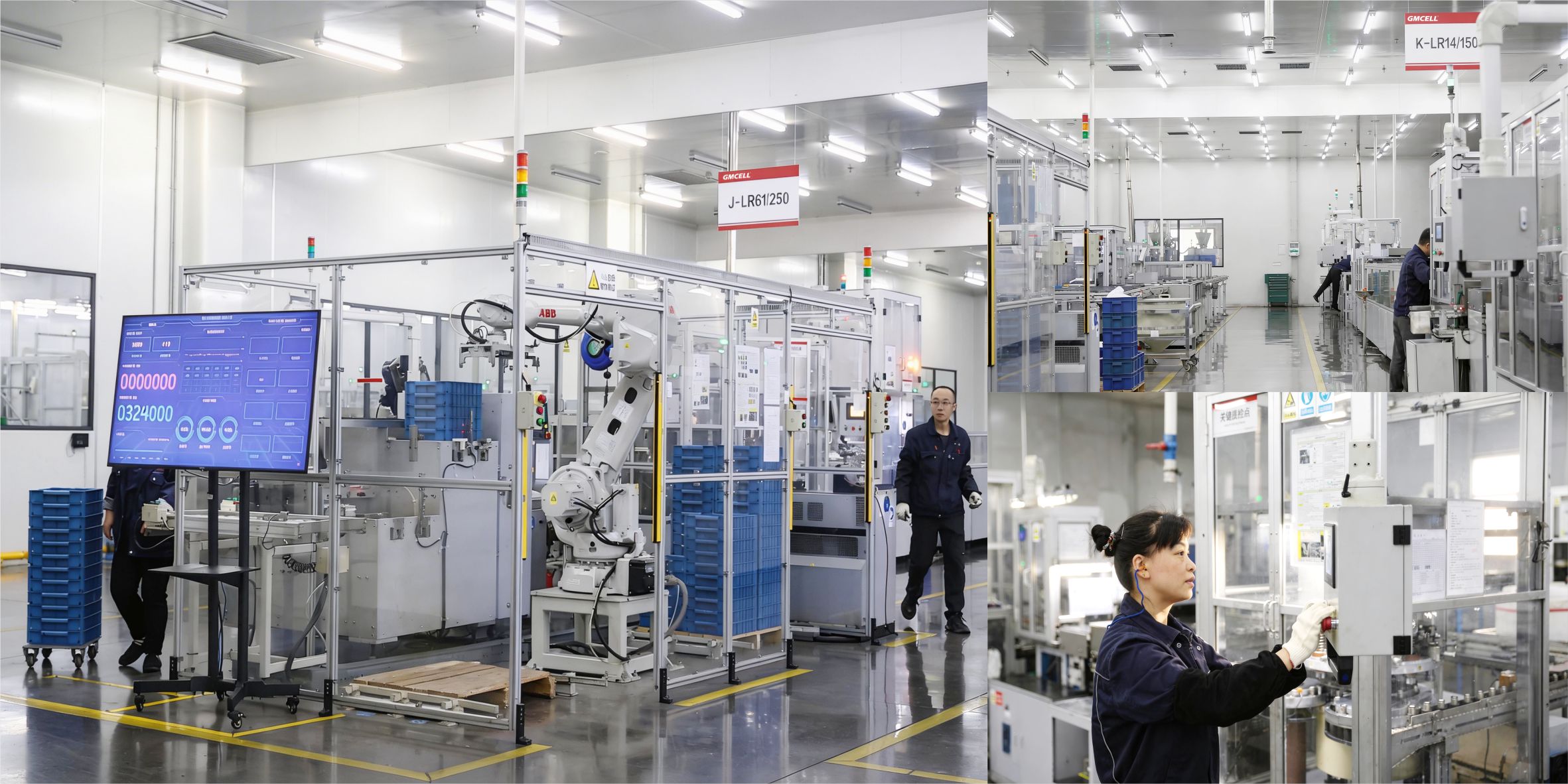
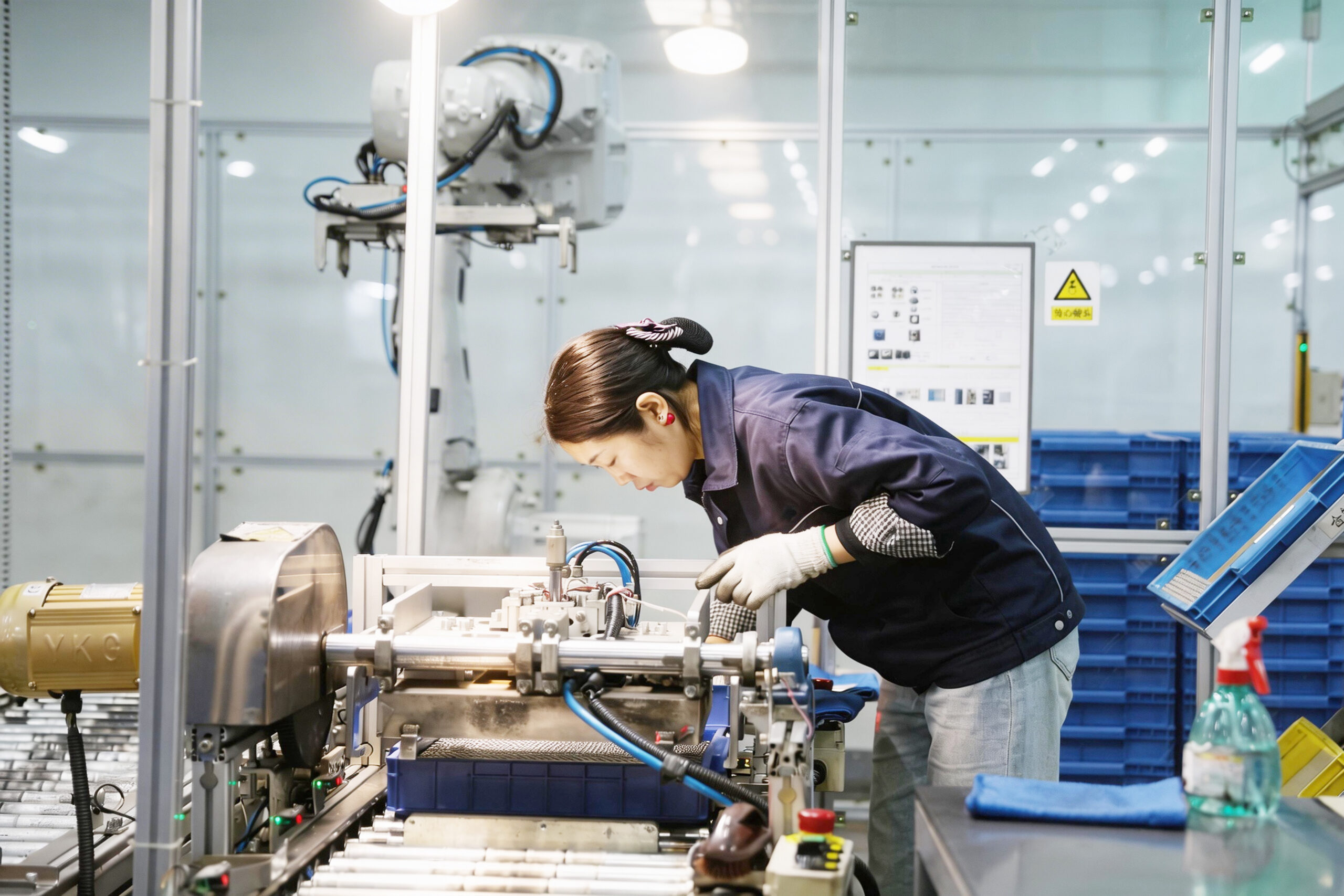
Key Production Process
By seeing actual production steps, you can judge the brand on visible manufacturing activity rather than branding language or simple outsourcing claims.
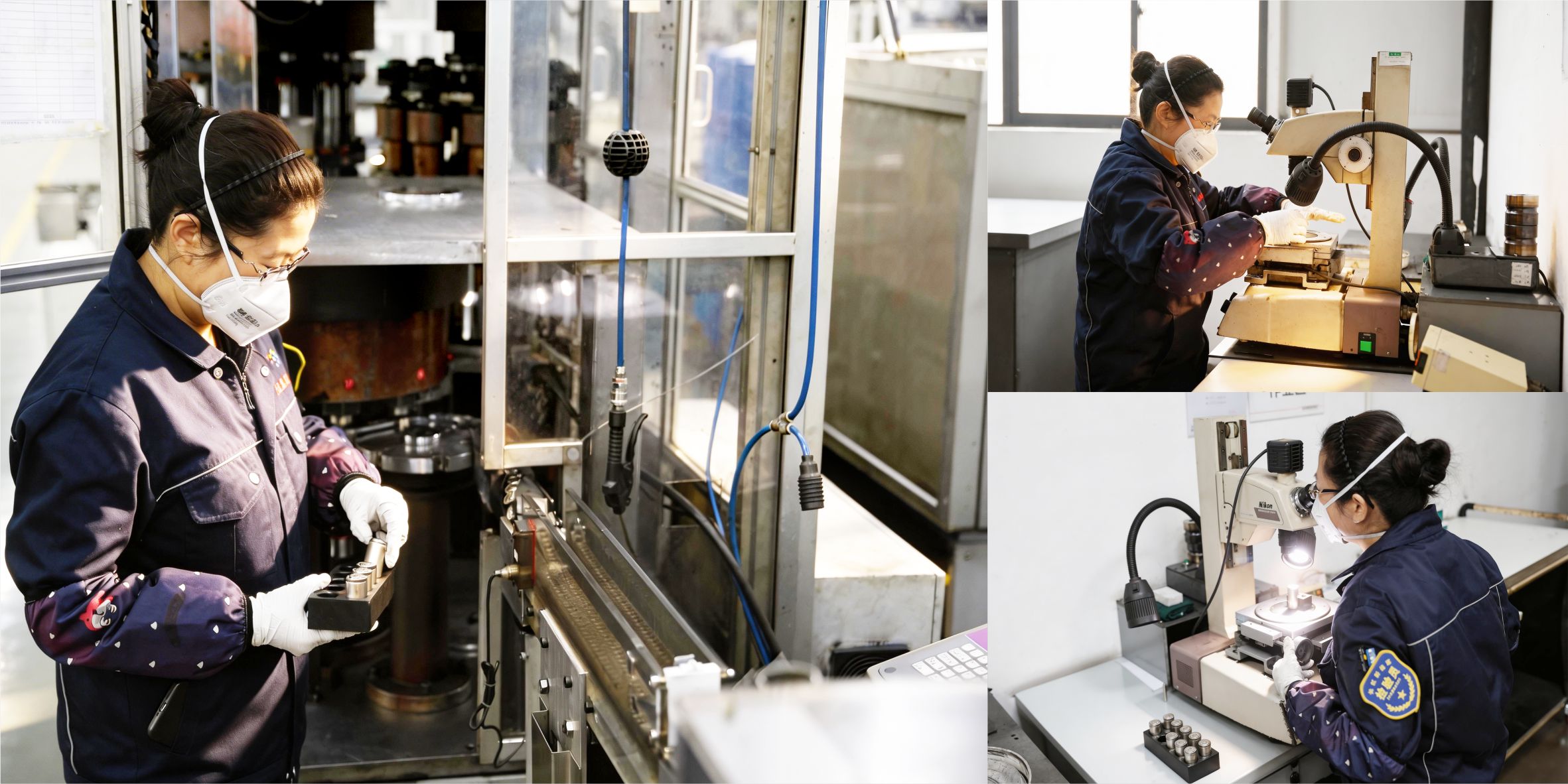
In-Process Quality Check
This helps you see that quality attention is not limited to finished goods only. Process-stage checks reflect a system that monitors production while work is still ongoing.
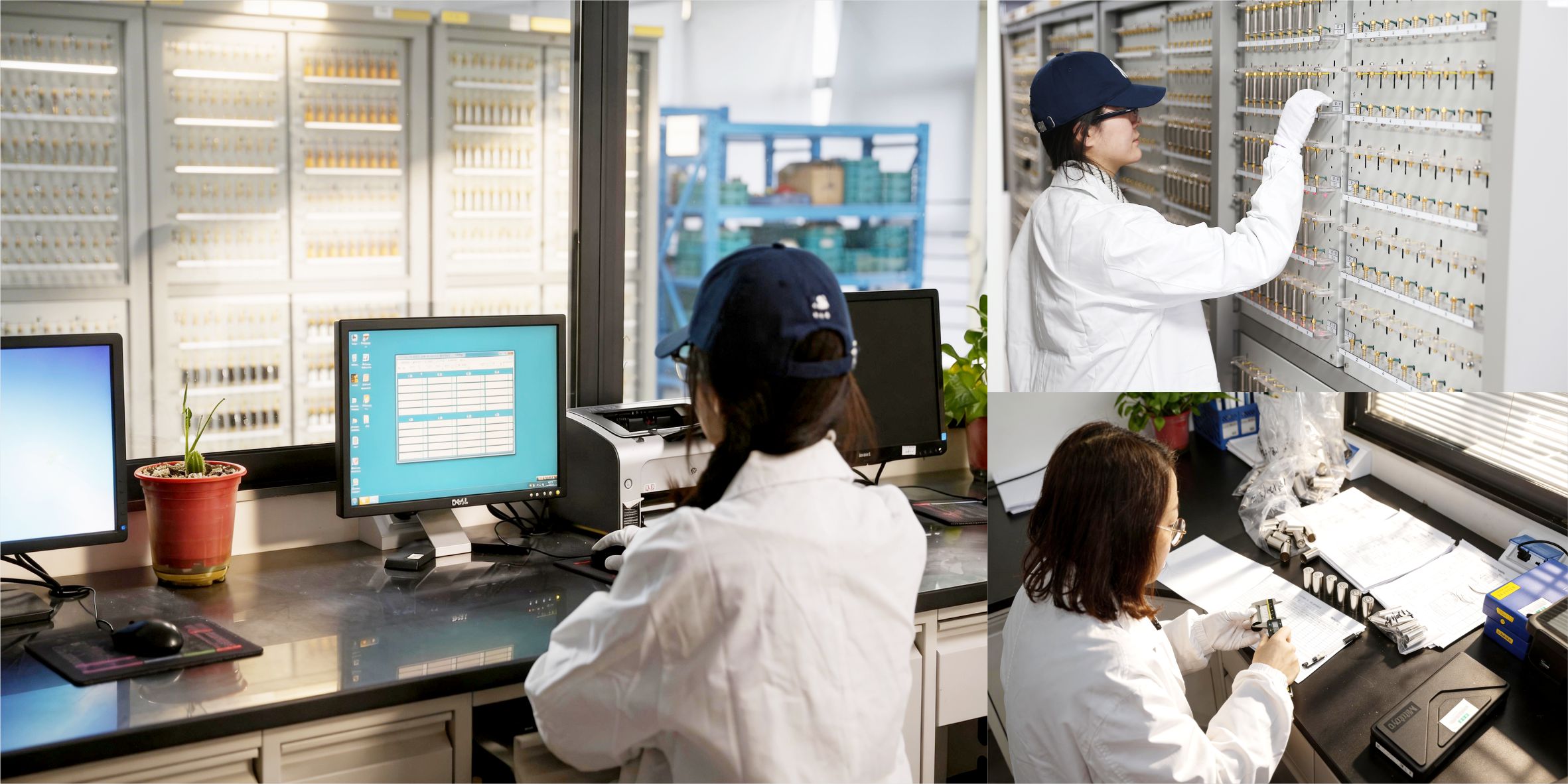
Laboratory & Reliability Testing
Lab and environmental test images help you see that performance and reliability are supported by actual verification work, not just marketing wording.
NG Isolation Area
An isolated area for nonconforming products helps you see that abnormal items are managed separately instead of being mixed back into normal output.
Packaging, Finished Goods & Batch Management
These visuals help you see that delivery is also part of the control chain. Packaging discipline, storage handling, and batch management matter for consistency and traceability.
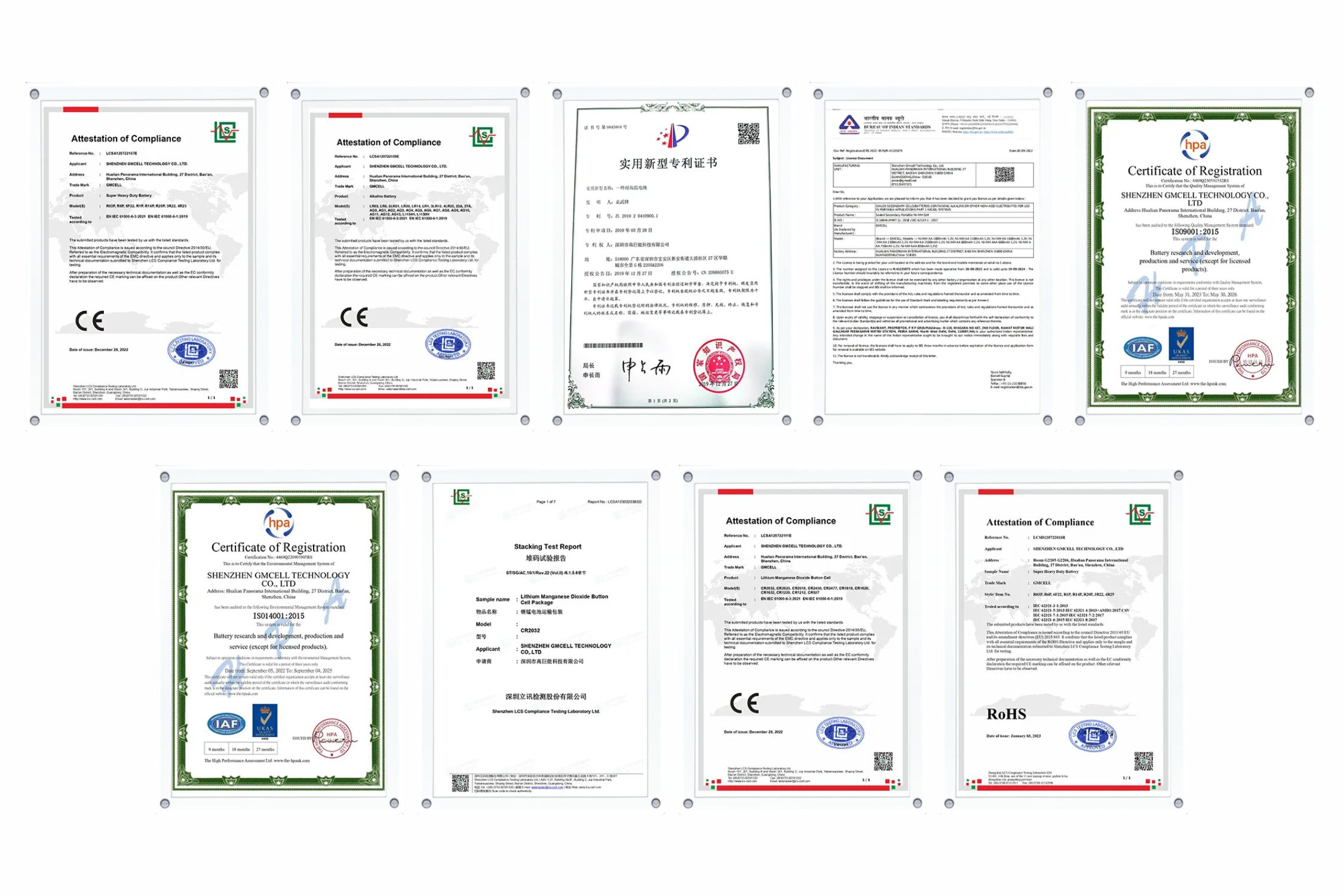
Third-Party Review & External Support
External testing, audit scenes, or review-related materials help you judge quality based on more than self-description alone.
This is the final part of the proof chain you can see: from site and process to inspection and outside verification, key stages are visible rather than hidden behind generic claims.
Instead of vague phrases like “modern factory” or “strong capability,” what you can actually look at is more important: materials, production, inspection, testing, batch handling, and third-party support form a connected operating system that can be presented step by step.
Stable Quality Does Not Happen by Chance
This is where the real difference becomes easier for you to judge. What matters is not simply whether a brand has a factory, but whether stronger factory control makes it easier to keep quality more stable from batch to batch.
In many battery markets, the real issue is not whether one good batch or one good sample can be made. The real issue is whether the next batch can still be trusted.
A brand can always show you a good-looking product image. What matters more is whether it has a system strong enough to reduce inconsistency, control process variation, and improve traceability when problems appear.
Quality can depend too much on external variables
Stability becomes easier when key steps stay inside one controlled system
A More Controlled Path to More Stable Output
What matters for you is not perfection by luck. What matters is reducing avoidable variation through a connected control chain.
This Layer Connects Directly to the Evidence Above
The material area, incoming inspection, in-process checks, laboratory scenes, NG isolation, packaging, warehouse handling, and third-party review are not separate visuals for you to browse one by one. Together, they show how quality becomes more manageable inside one connected system.
What you are looking for is not one good batch by luck, but a control system designed to make each batch more stable, more trackable, and more dependable.
Turning Factory Control Into Real Buying Confidence
Factory language does not always mean much on its own. What matters to you is how those actions turn into lower risk, clearer expectations, and more confidence after the purchase.
This is where production control becomes practical value for you: fewer surprises, more consistent batches, more believable specs, and a stronger basis for traceability and after-sales support.
The point is not to impress you with factory terms. The point is to make those terms meaningful in the ways you actually care about: consistency, believable specs, dependable supply, traceability, and fewer avoidable problems.
For you, this means lower risk of quality fluctuation, lower risk of misleading performance expectations, and fewer batch-to-batch surprises later.

For you, this means a lower probability that unsuitable or problematic materials move directly into production and become a hidden issue in the final product.
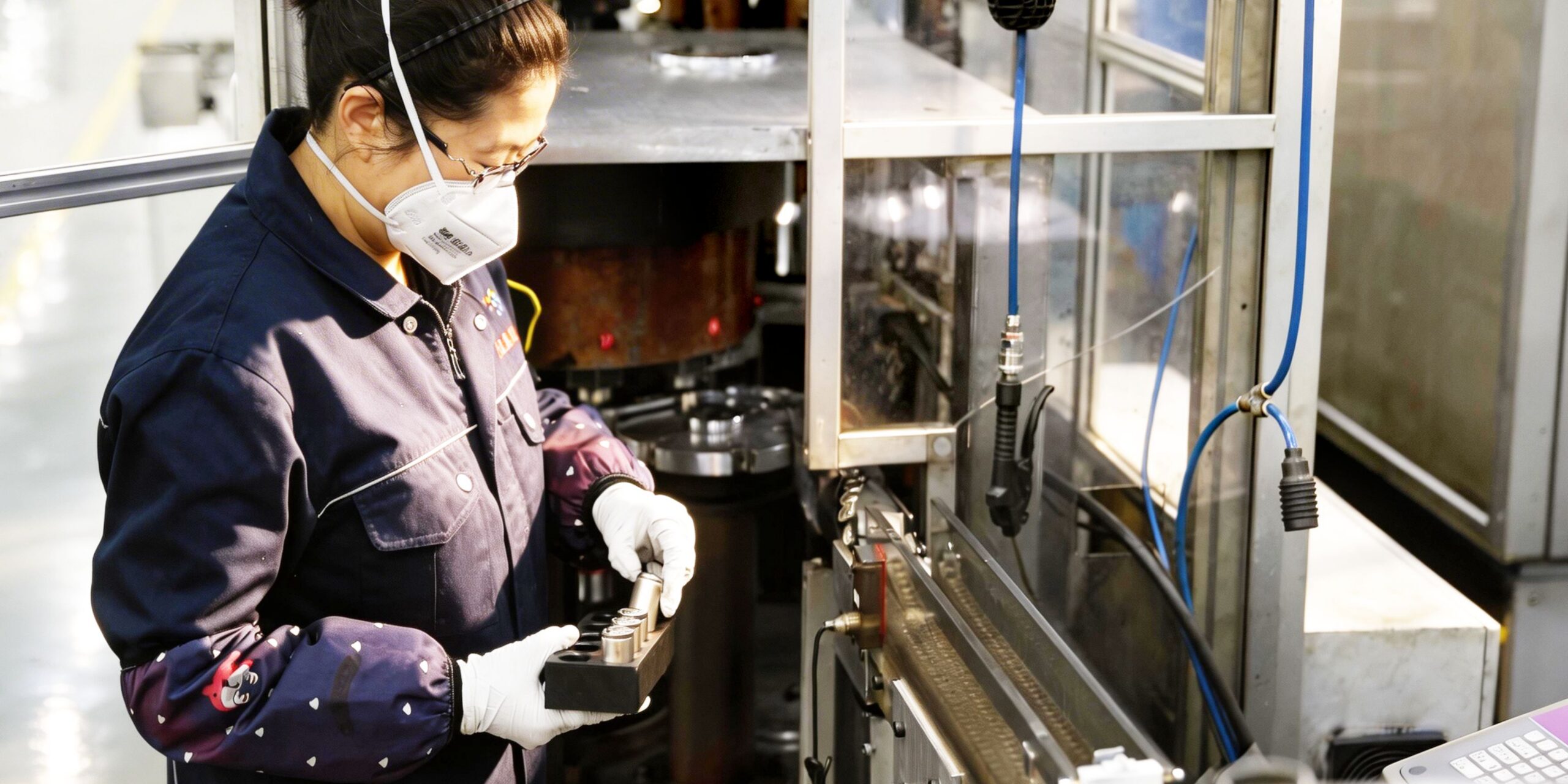
For you, this means problems are more likely to be intercepted during production instead of being discovered only after finished goods are already ready to ship.
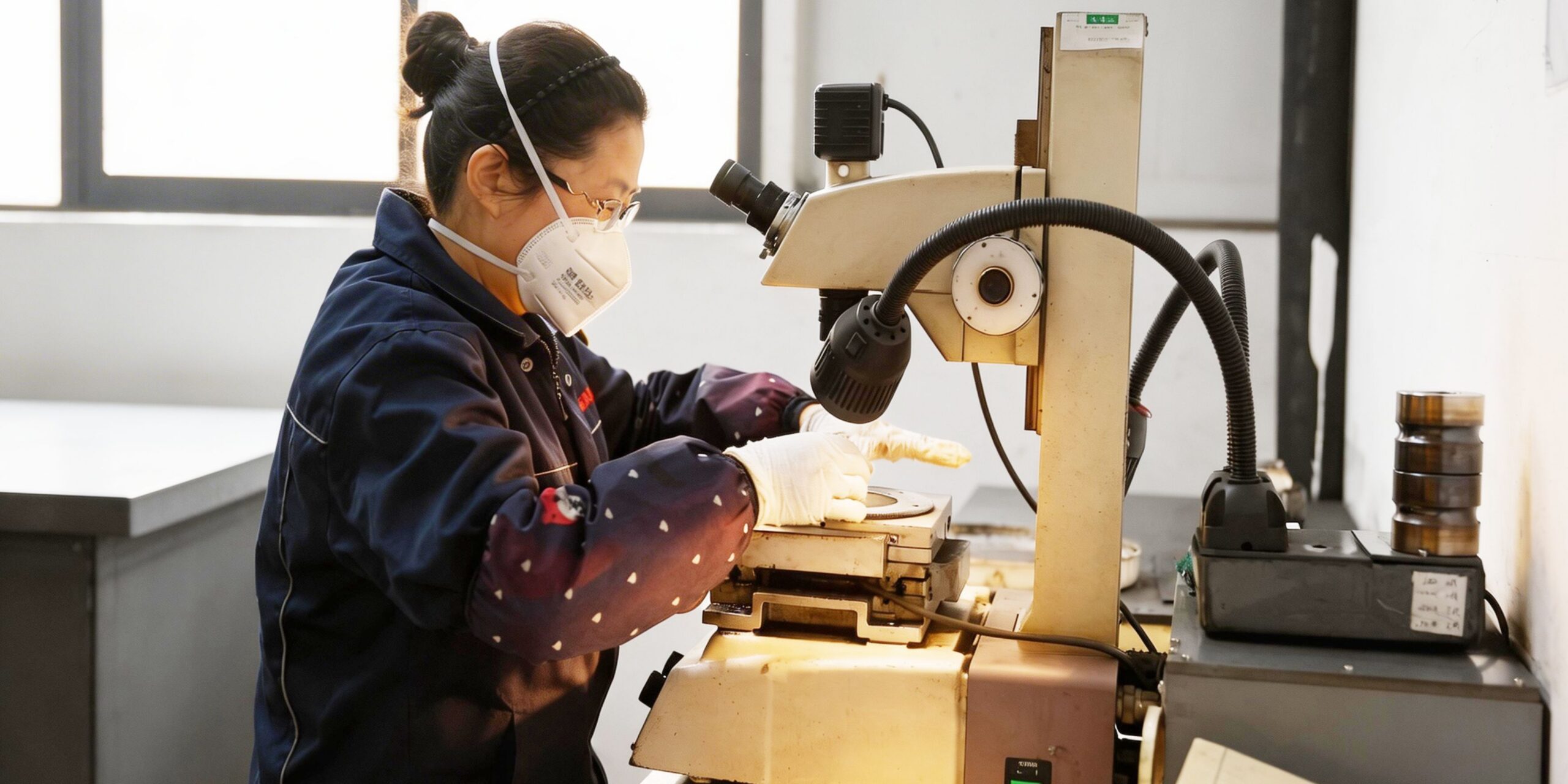
For you, this means capacity, cycle behavior, and environmental adaptability have a more credible basis instead of existing only as attractive numbers on a label.
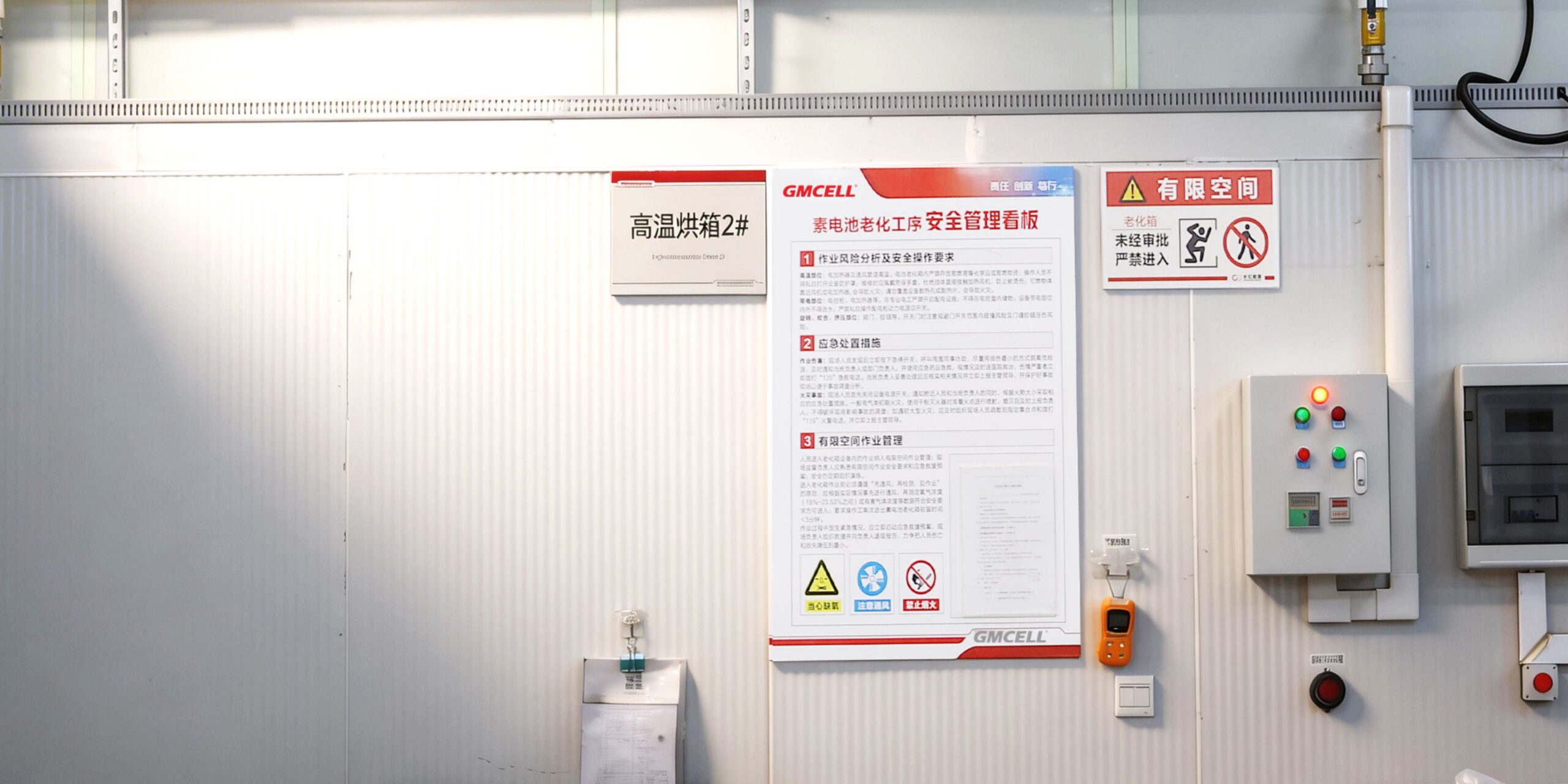
For you, this means abnormal or nonconforming items are less likely to be mixed together with normal output and shipped as if nothing happened.
For you, this means after-sales handling, traceability, repeat orders, and long-term cooperation all become easier to trust when batches are managed with clearer records and structure.
What “Avoiding Pitfalls” Really Means in Practice
When factory control is translated into customer language, it comes down to a few things you are most likely to care about.
For you, this means lower risk in repeat orders, clearer responsibility when issues need review, and a stronger basis for long-term supply decisions.
For you, this means fewer unpleasant surprises after purchase, a better chance of getting what the label promises, and more peace of mind when choosing the brand again.
In the end, factory control only matters if you can feel the result: more consistent batches, more credible specifications, better traceability, and fewer avoidable pitfalls.
One Quality System, Two Different Reasons to Trust It
The same factory-backed system should not be explained in only one way. If you are a buyer or distributor, you look at battery quality differently from an end user, and the page should respect that difference.
If you are evaluating a supplier from a B2B perspective, the question is whether that supplier can stay reliable over time. If you are buying as an end user, the question is whether the product will create avoidable disappointment after purchase.
Trust is not built by repeating the same sentence to everyone. It is built by helping you see how the same quality system answers different risks for different buyers.
B2B buyers do not only ask, “Is this batch good?”
If you are buying for business, what you really need to know is whether quality can remain controlled, traceable, and dependable as orders continue. A supplier that looks good once is not enough. The real standard is whether the supply relationship becomes safer over time, not riskier.
If you are selecting a supplier, what matters is not whether one decent sample was delivered once, but whether that supplier is more suitable for stable, traceable, and lower-risk long-term cooperation.
End users do not want a factory tour. They want fewer disappointments.
If you are buying as a consumer, you probably will not read a long production explanation. What you care about is simpler: does the capacity feel real, does it last, does it work reliably, and will the brand stand behind it if something goes wrong?
What you are buying is not just a brand name. You are also buying a quality system that gives you a better chance of avoiding the common pitfalls that make battery purchases disappointing.
Same Foundation, Different Value Perception
The same controls do not need two different factories. They need two different explanations, so you can understand their value from your own point of view.
If you are a B2B customer, this system is about long-term cooperation with lower hidden risk. If you are an end user, it is about receiving a battery that is less likely to disappoint.
Trust Becomes Stronger When Quality Control Can Be Seen
A quality promise feels more credible when customers can see how key steps are handled before the product is shipped. Real confidence does not come from neat claims alone. It comes from visible actions, clear explanations, and proof that quality is being managed throughout the process.
The scenes below show how quality is supported from incoming materials to inspection, testing, separation control, and batch handling.
Quality is more believable when the process behind it is visible, organized, and clearly connected to what customers care about most: consistency, credibility, traceability, and fewer avoidable problems.
Incoming materials are sorted, identified, and managed before production begins
Stable battery quality does not begin only at final testing. It also begins with how materials are recognized, stored, separated, and prepared before they move into manufacturing.
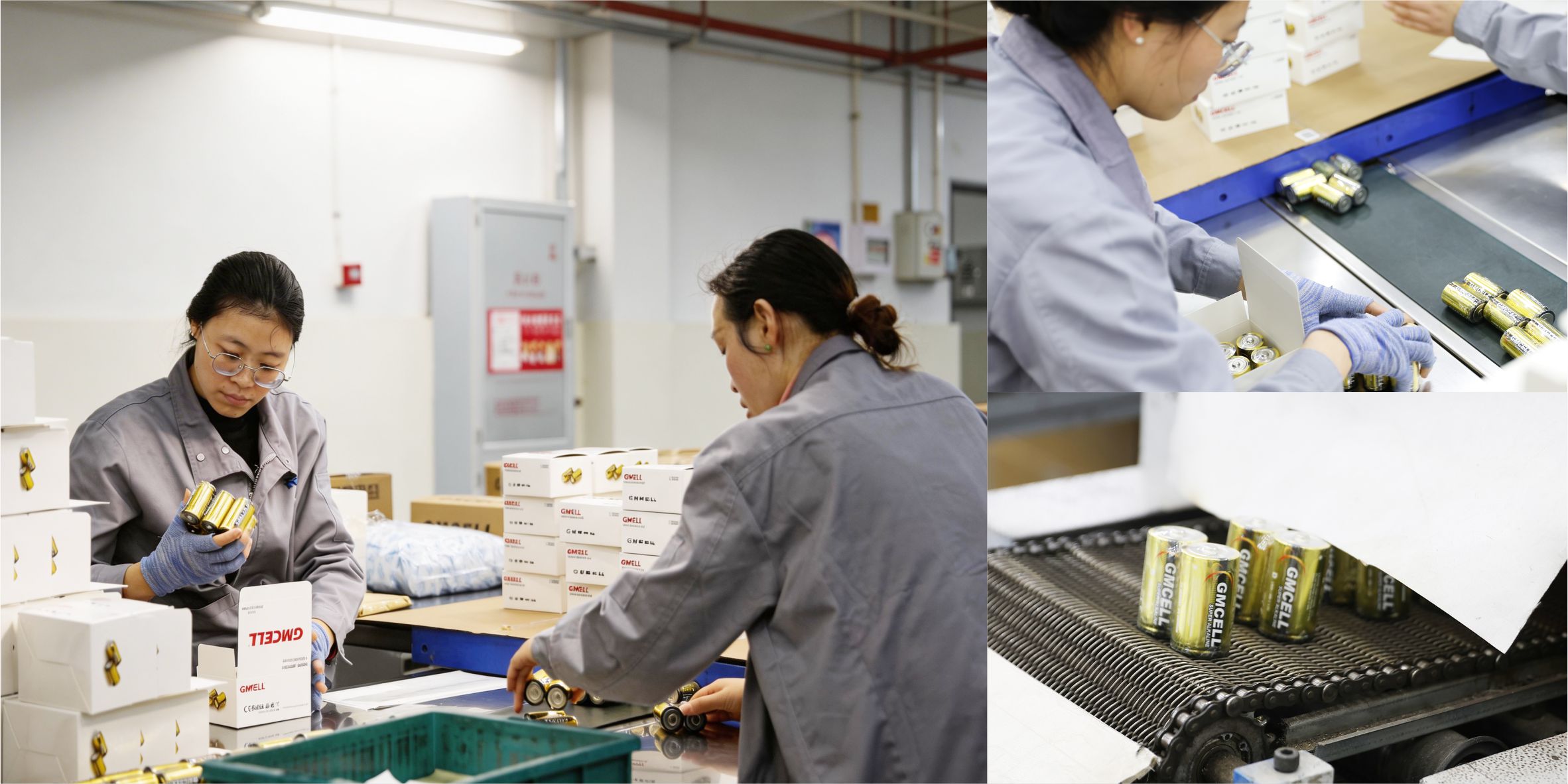
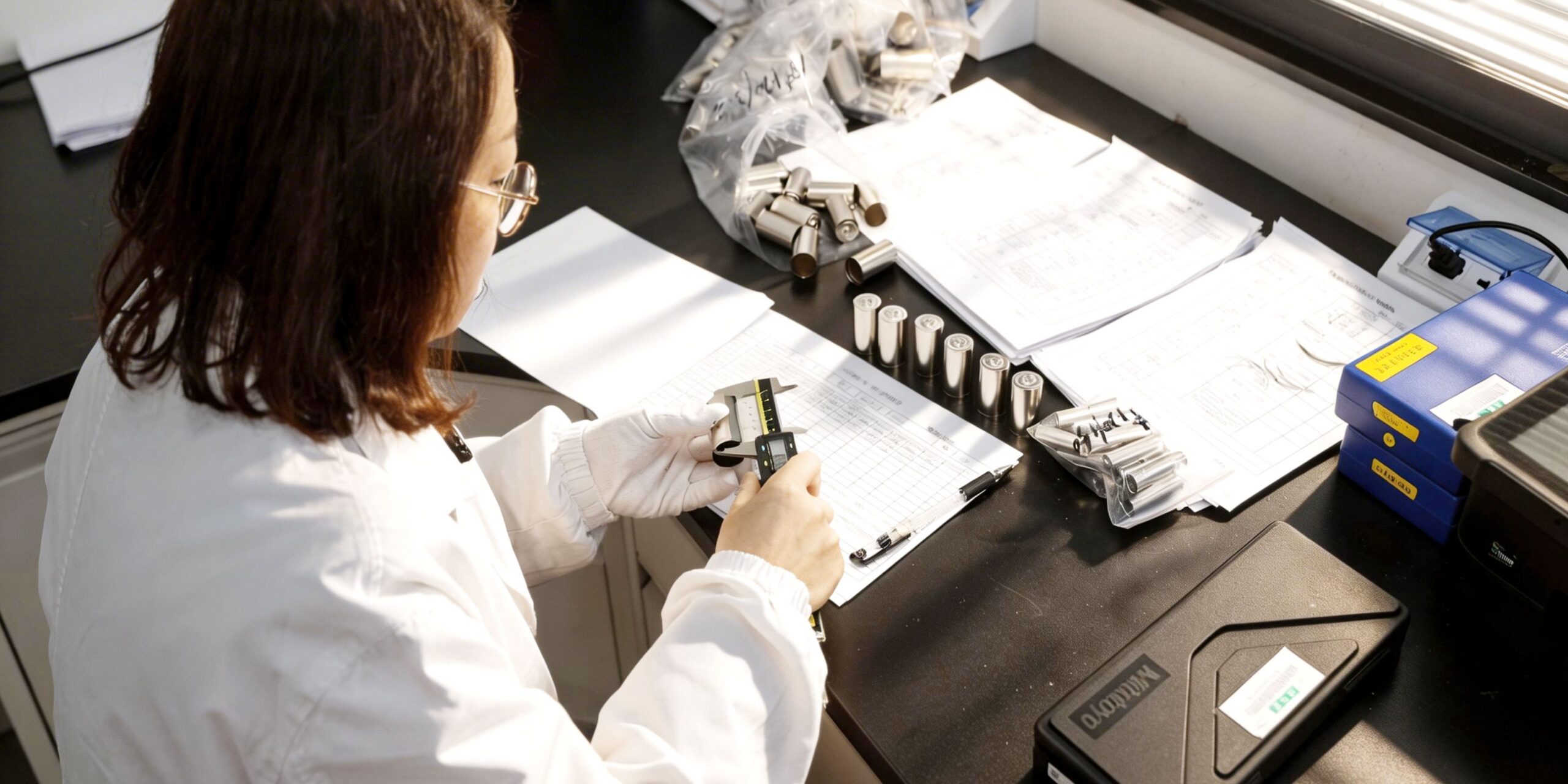
Materials are checked before use instead of moving directly into production
Inspection at this stage helps make verification visible. Checking, recording, and comparing materials before use adds a stronger basis for control than accepting everything without review.
Key process steps are inspected during production, not only after everything is finished
Quality becomes easier to manage when review happens while work is still in progress. Inspection at the process stage helps identify issues earlier, before they travel further into finished goods.
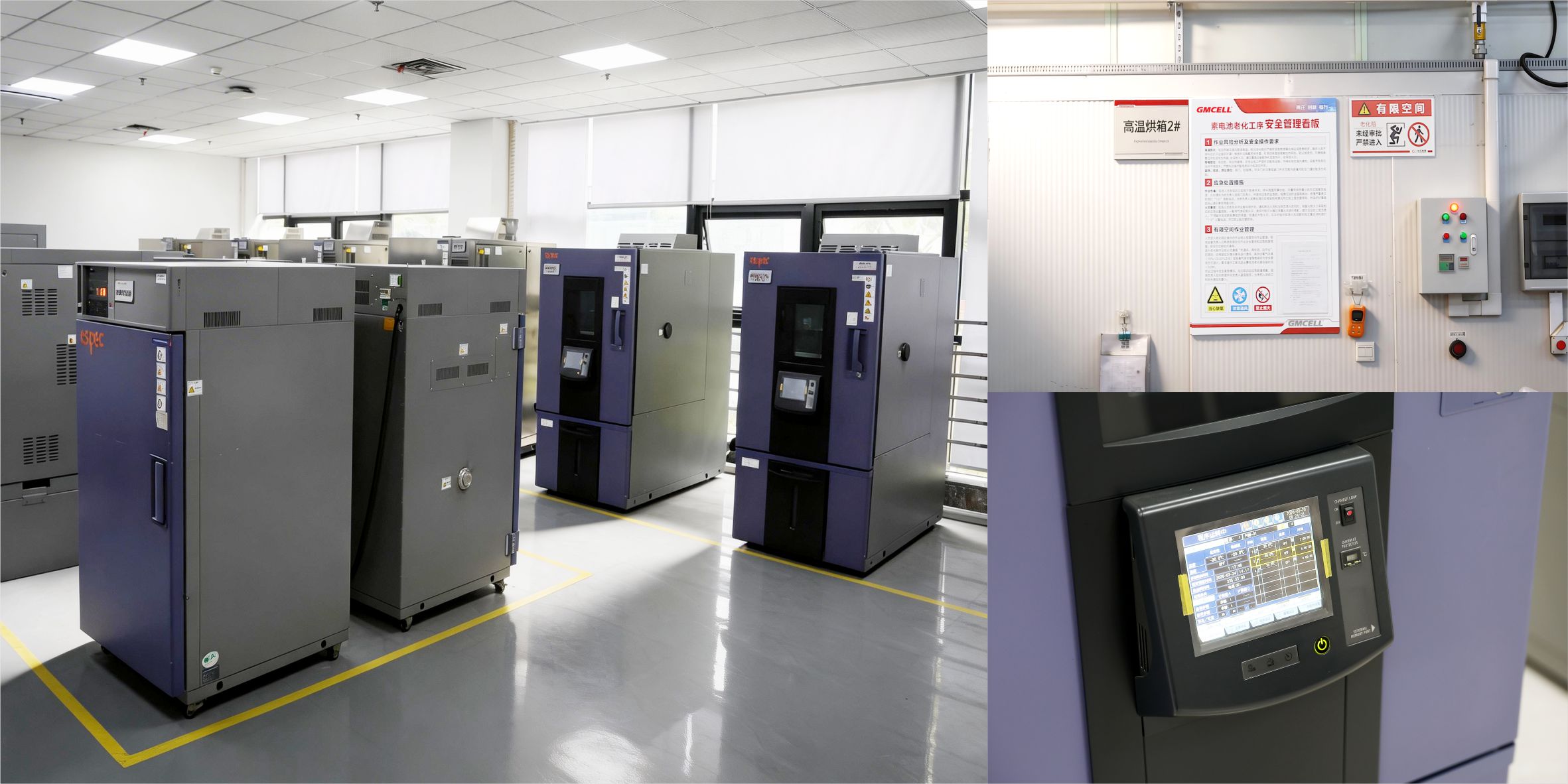
Performance and reliability are supported by visible testing scenes, not only by label claims
Testing adds stronger support to what the product is expected to deliver. When instruments, environments, and working scenes are visible, quality claims feel more grounded in actual verification.
Abnormal items are visibly separated instead of being mixed back into normal output
Separation control makes abnormal handling easier to understand at a glance. When the area, labels, and logic are clear, the process feels more disciplined and more trustworthy.
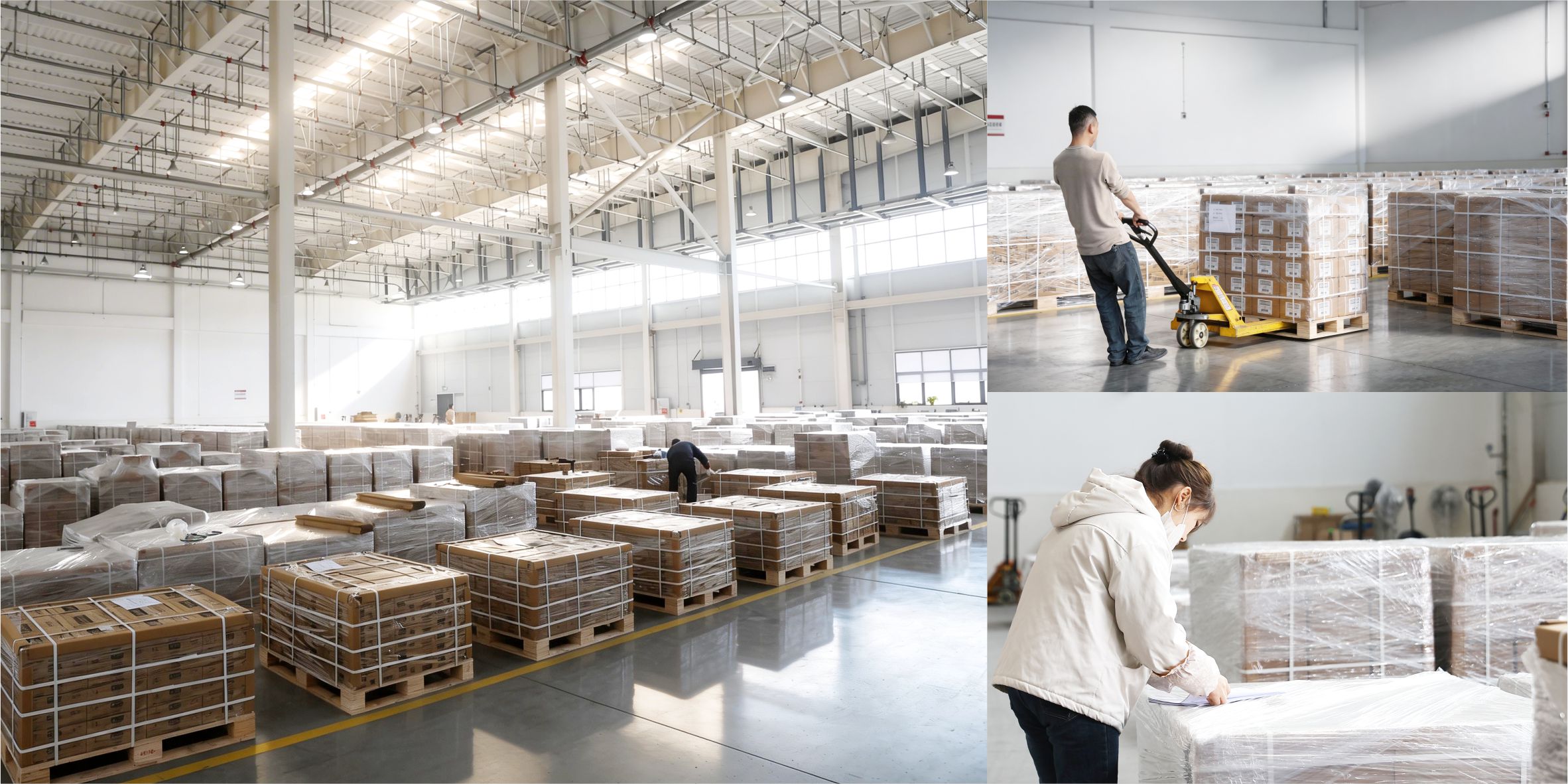
Packaging and outgoing batches remain part of the control chain, not just the final visual step
Outbound handling matters because delivery is still part of quality control. Labels, batch logic, and packaging workflow help connect the finished product to traceability and follow-up.
What Makes Evidence Feel More Credible
Strong proof is not only about showing a place. It is about showing a real action, a clear meaning, and a visible link to customer value.
What customers see here is not only a series of factory scenes. It is a visible chain of actions designed to support more consistent quality, clearer traceability, and fewer avoidable problems.
Confidence Comes From More Than a Specification Sheet
Many battery brands focus on the numbers printed on the label. We care just as much about the process behind those numbers — because reliable performance does not come from claims alone.
A battery becomes more dependable when quality is controlled before shipment, not only explained after problems appear.
We do not treat our factory as a marketing symbol. We treat it as the foundation for stronger control, clearer accountability, and more reliable quality.
Reliable batteries need more than attractive numbers
What helps customers avoid disappointment is not only the specification itself, but the quality control behind how that specification is achieved and maintained.
Our own factory helps us keep quality in our own hands
Stronger control over materials, production, inspection, and batch handling gives us a better foundation for consistency and follow-through.
We focus on reducing the risks customers worry about most
From batch inconsistency to unclear traceability, our goal is to reduce avoidable problems before the product reaches the customer.
This means a more dependable basis for repeat orders, clearer accountability when review is needed, and greater confidence in long-term cooperation.
This means a battery that is more likely to feel stable, believable, and dependable in real use — with fewer avoidable surprises after purchase.
What helps customers avoid pitfalls is not only the battery specification — but the quality control behind it.
Our goal is simple: to make quality more controllable, performance more dependable, and battery buying more reassuring for every customer who chooses us.