
Inside Modern Battery Manufacturing: Industry Insights from GMCELL
Battery manufacturing has entered a more demanding stage. International buyers are no longer looking only for a cell that can deliver power; they are looking for products that remain consistent across batches, suppliers that can respond to changing application needs, and factories that understand how quality, compliance, delivery, and sustainability are now connected in global procurement.
Against this background, GMCELL has continued to observe how battery purchasing decisions are changing across consumer, retail, industrial, and backup power markets. In a recent discussion, the company’s leadership shared its view on what modern battery manufacturing now requires: stronger process control, clearer product positioning, better supply stability, and a long-term approach to responsible production.

The Evolution of Modern Battery Manufacturing
Journalist: Over the past decade, battery manufacturing has changed dramatically. What do you believe has been the most significant shift?
GMCELL Leadership: One of the biggest changes is that buyers are asking very different questions today than they did ten years ago. In the past, discussions often started and ended with price, capacity, and delivery schedules. Today, customers want to understand how products are manufactured, how quality is verified, how materials are sourced, and whether a supplier can consistently deliver the same performance year after year.
The battery industry has become significantly more transparent and much more competitive. Global buyers have access to more information than ever before, which means manufacturers are constantly being evaluated on factors beyond production output. Reliability, traceability, process control, technical support, and supply chain stability have all become important parts of purchasing decisions.
At the same time, battery-powered products themselves have evolved. Batteries are no longer used only in toys, remote controls, or simple portable electronics. Today they support medical devices, industrial monitoring systems, smart home technologies, communication equipment, and critical backup power applications. As these applications become more important, the consequences of product failure become far more serious.
We have also noticed growing interest in long-term supplier relationships. Many companies are looking beyond short-term procurement costs and focusing more on operational stability. They want manufacturing partners who can provide consistent product quality, predictable lead times, and the flexibility to adapt as market requirements change.
For manufacturers, this means success is no longer measured simply by production volume. The real challenge is building systems that allow quality, consistency, and efficiency to scale together. Companies investing in automation systems, intelligent manufacturing, production data visibility, and digital quality management are often better positioned for long-term growth than those focused solely on capacity expansion.
Key Industry Changes
✔ Automation✔ Traceability
✔ Sustainability
✔ Supply Chain Resilience

Why Quality Control Has Become a Competitive Advantage
Journalist: Quality control has become a common topic throughout manufacturing. Why has it become such an important competitive factor in the battery industry?
GMCELL Leadership: Battery products are often small components within much larger systems, but their impact can be significant. A battery failure may interrupt device operation, create warranty costs, delay shipments, or affect customer confidence. Because of this, many buyers now view quality control as a risk-management strategy rather than simply a manufacturing requirement.
We frequently see procurement teams looking beyond quoted prices and focusing on long-term reliability. A slightly lower purchase cost can quickly lose its value if it results in higher failure rates, product returns, customer complaints, or unexpected service costs. In many industries, consistency is now considered just as important as performance specifications.
Another important trend is the growing emphasis on compliance and documentation. Customers increasingly expect detailed testing records, certification support, traceability systems, and production transparency. These requirements are particularly common in Europe, North America, and other markets where product quality standards continue to evolve.
For this reason, many organizations evaluate suppliers using a combination of product performance data, manufacturing capabilities, quality systems, and long-term operational stability. A factory’s ability to maintain consistent standards across thousands or millions of units often becomes a key differentiator.
Companies evaluating battery suppliers often examine three critical indicators:
- Failure Rate – How consistently products perform in real-world applications.
- Consistency – Whether performance remains stable across production batches.
- Certification – Compliance with recognized international quality standards.
At GMCELL, quality assurance begins long before batteries reach the customer. It starts with supplier qualification, material inspection, process monitoring, and production verification throughout the manufacturing cycle. Every stage follows documented procedures designed to improve consistency, reduce operational risk, and support long-term product reliability. Learn more about Battery Quality Control.

Understanding Demand Across Different Battery Technologies
Journalist: Battery technology has become increasingly diverse. How are buyers navigating the different options available today?
GMCELL Leadership: One of the most common misconceptions is that there is a single “best” battery technology. In reality, buyers are choosing solutions based on application requirements rather than chemistry alone. What works well for a consumer product may not be suitable for industrial equipment, and a battery designed for high-drain electronics may not be the most economical choice for long-term storage applications.
As product categories continue to diversify, we are seeing demand grow across multiple battery technologies simultaneously. Rather than one technology replacing another, different chemistries are finding their own place within the market. Purchasing decisions are increasingly driven by factors such as operating environment, expected service life, safety requirements, maintenance expectations, transportation considerations, and total cost of ownership.
This explains why demand remains healthy across rechargeable batteries, NiMH batteries, alkaline batteries, and lithium batteries. Each technology continues to solve a different set of challenges for manufacturers, distributors, retailers, and end users.
According to GMCELL’s market observations, rechargeable batteries continue gaining popularity because businesses and consumers are looking for longer product lifecycles, lower operating costs, and reduced replacement frequency. In particular, NiMH batteries remain a practical choice for applications that value proven safety, stable discharge performance, and dependable operation. They continue to be widely used in household electronics, toys, emergency lighting systems, communication devices, and industrial equipment.
Meanwhile, alkaline batteries continue to serve an important role in global retail markets. Their convenience, long shelf life, and low upfront cost make them attractive for remote controls, flashlights, emergency kits, clocks, and other low-drain applications where rechargeability may not be necessary.
At the other end of the spectrum, lithium batteries continue expanding into sectors that demand higher energy density, lighter weight, and advanced device performance. From portable electronics and smart devices to specialized industrial applications, lithium technology remains one of the fastest-growing segments within the global battery industry.
Sustainability Is No Longer Optional
Journalist: Sustainability is frequently discussed throughout manufacturing today. How is this affecting battery purchasing decisions?
GMCELL Leadership: Sustainability has moved far beyond corporate messaging. For many international buyers, particularly those serving Europe and North America, environmental responsibility is now becoming part of routine supplier evaluation. Questions about compliance, traceability, recycling practices, packaging materials, and product lifecycle management are appearing much earlier in procurement discussions.
We are seeing growing attention placed on ESG objectives, responsible sourcing, and long-term environmental impact. Buyers increasingly want confidence that the products they purchase today will remain compliant with future regulatory requirements and evolving sustainability expectations.
In Europe, regulatory developments continue encouraging greater transparency across the battery supply chain. Manufacturers and importers are paying closer attention to documentation, labeling requirements, product traceability, recycling responsibilities, and material disclosures. These trends are influencing purchasing decisions well beyond the European market itself.
At the same time, sustainability does not mean every product must immediately adopt the same battery technology. Different applications still require different solutions. The more important shift is that buyers increasingly prefer suppliers who can demonstrate a long-term commitment to responsible manufacturing and continuous improvement.
This is one reason why rechargeable battery products continue receiving greater attention across many sectors. When rechargeable solutions are technically appropriate, they can help reduce waste generation, lower replacement frequency, improve resource efficiency, and support broader sustainability goals without compromising performance expectations.
How International Buyers Evaluate Battery Suppliers
Journalist: Beyond product specifications, what are professional buyers looking for when selecting battery manufacturing partners?
GMCELL Leadership: The evaluation process has become much more comprehensive than it was in the past. While pricing remains an important consideration, most experienced buyers understand that a successful supply relationship depends on much more than an initial quotation.
A supplier’s ability to consistently deliver quality products, maintain production stability, provide accurate documentation, and respond effectively when challenges arise often becomes more important than small pricing differences. Procurement teams are increasingly focused on reducing operational risk and protecting long-term business continuity.
We frequently see distributors, retailers, OEM brands, and industrial customers conducting much deeper supplier assessments before committing to volume orders. They want evidence that a manufacturer can support future growth, adapt to changing requirements, and maintain quality standards as order volumes increase.
From a buyer’s perspective, the most important question is often not “Can this factory produce batteries?” but rather “Can this factory consistently support our business over the next several years?” That distinction has fundamentally changed how supplier evaluations are conducted throughout the industry.
Quality SystemsDocumented procedures, process control mechanisms, inspection records, and batch consistency all contribute to long-term product reliability.
CertificationsSafety certifications, transportation documentation, regulatory compliance records, and market-access requirements remain essential for international business.
Manufacturing CapacityBuyers often assess whether a supplier can support repeat orders, seasonal demand fluctuations, and future volume growth without compromising quality.
Audit ResultsFactory audits provide insight into operational discipline, manufacturing transparency, process execution, and overall organizational maturity.
Delivery PerformanceReliable lead times, effective export coordination, and strong supply chain management help reduce disruptions and improve planning confidence.
Technical SupportApplication guidance, product selection assistance, engineering communication, and customized project support often play a critical role in long-term cooperation.
Behind the Factory: What Most Buyers Never See
Journalist: Many buyers compare suppliers based on quotations, certifications, and delivery schedules. What aspects of manufacturing are often overlooked during the evaluation process?
GMCELL Leadership: Most buyers naturally focus on the information they can see—pricing, specifications, test reports, and lead times. Those factors are important, but they only tell part of the story. In reality, the biggest differences between battery manufacturers are often hidden inside daily factory operations, where consistency is created long before products are packed and shipped.
A battery may look identical on paper regardless of where it is produced, yet long-term performance can vary significantly depending on production discipline, process control, equipment stability, and quality management practices. These are the factors that determine whether a supplier can deliver the same level of performance not just once, but across thousands or even millions of units.
For this reason, experienced importers and OEM buyers increasingly pay attention to what happens behind the production line. They want to understand how products are monitored, how quality issues are identified, and how manufacturing systems are designed to prevent problems before products reach the market.
According to GMCELL leadership, modern battery manufacturing relies on a combination of automated production systems, performance verification programs, environmental testing procedures, and continuous process monitoring. Together, these systems help reduce operational risk and improve confidence for customers around the world.
Automated Production Lines
Journalist: Automation has become a major topic across manufacturing industries. What role does it play in battery production?
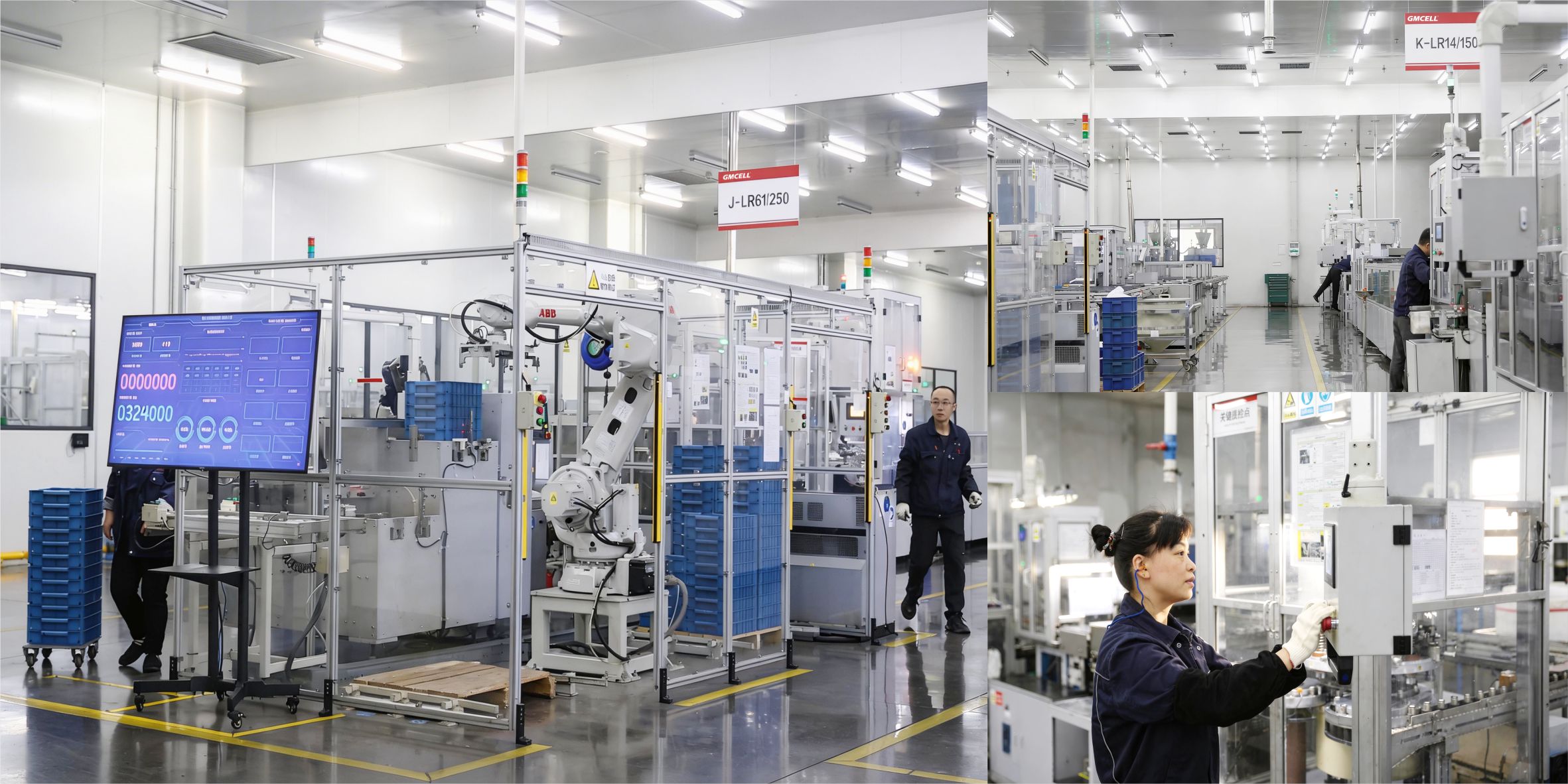
GMCELL Leadership: Automation is not simply about increasing output. Its greatest value is consistency. Battery manufacturing involves numerous repetitive processes where small variations can accumulate over time. Automated systems help maintain stable operating conditions and reduce unnecessary variability between production batches.
For international buyers, consistency is often more important than peak performance. A customer may accept a slightly lower specification if every shipment performs the same way. What creates problems is unpredictable variation. This is why manufacturers continue investing in automation across assembly, welding, sorting, inspection, and packaging operations.
As production volumes increase, automation also helps improve traceability and production visibility. The ability to monitor processes, collect manufacturing data, and identify potential issues early contributes to more stable long-term product quality.
Aging Tests and Performance Verification
Journalist: Why are aging tests considered such an important part of battery quality assurance?
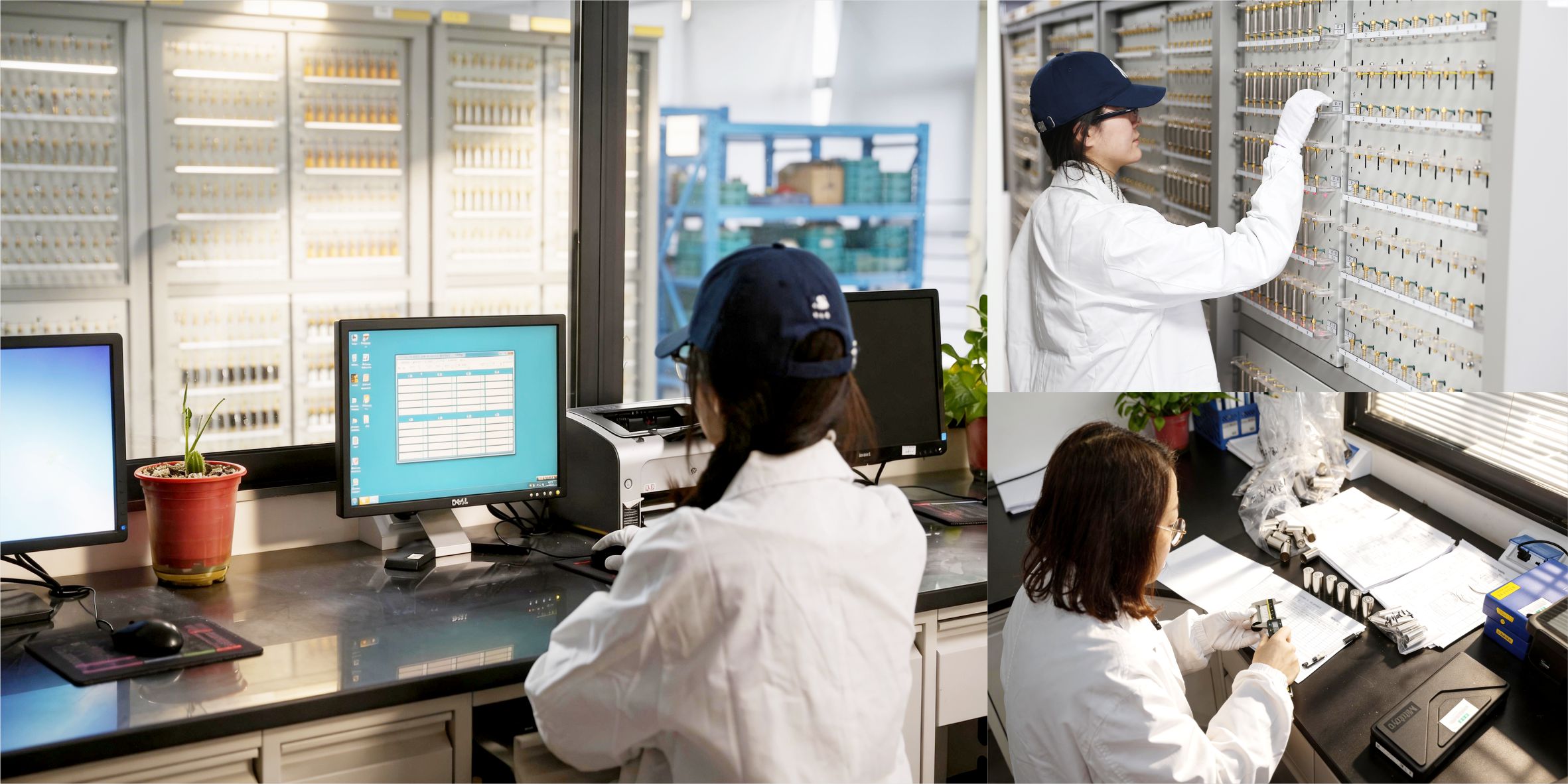
GMCELL Leadership: Product performance cannot be judged solely by how a battery behaves immediately after production. Some issues only become visible after a period of storage, repeated charging cycles, or extended operation. Aging programs help manufacturers observe product behavior before batteries reach customers.
For buyers, this process helps reduce uncertainty. Batteries are often integrated into larger products where replacement costs, service interruptions, or warranty claims can become expensive. Identifying potential performance issues before shipment is generally far more efficient than addressing them later in the field.
Beyond individual product verification, aging tests also provide valuable manufacturing feedback. Trends observed during testing can help engineers improve production processes, optimize material selection, and continuously strengthen overall product reliability.

Environmental Testing and Random Sampling
Journalist: Batteries are shipped and used in very different environments. How do manufacturers prepare for those conditions?
GMCELL Leadership: A battery may be manufactured in one country, transported through several others, stored in warehouses, and eventually used in completely different climates. Because of this, manufacturers need to understand how products perform under a wide range of environmental conditions.
Environmental testing helps evaluate performance under conditions such as temperature variation, humidity exposure, transportation stress, and long-term storage. These evaluations provide additional confidence that products can maintain expected performance outside controlled factory environments.
Random sampling inspections play a complementary role. Rather than relying solely on theoretical specifications, manufacturers continuously verify actual production output. This helps identify unusual variations and supports ongoing quality improvement efforts.
Industry Communication and Media Engagement
Journalist: Beyond manufacturing itself, how important is communication with customers, industry organizations, and the public?
GMCELL Leadership: Manufacturing capability is essential, but long-term trust is built through transparency and communication. Customers want to understand not only what a company produces today, but also how it thinks about future challenges, industry developments, and changing market expectations.
Media interviews, industry conferences, international business discussions, and public engagement activities provide opportunities to share experiences and exchange perspectives. These interactions often create valuable dialogue between manufacturers, distributors, regulators, and end users.
As global supply chains continue evolving, companies are expected to communicate more openly about sustainability initiatives, manufacturing standards, product quality, and future development strategies. Buyers increasingly view transparency as an indicator of long-term reliability.
For many international customers, understanding a manufacturer’s vision and leadership philosophy can be just as important as reviewing technical specifications. Strong communication helps build confidence that a supplier is prepared to grow alongside its customers rather than simply fulfill the next purchase order.

The Future of Battery Manufacturing
Journalist: Looking ahead, what trends do you believe will shape battery manufacturing over the next five years?
GMCELL Leadership: The next stage of battery manufacturing will not be defined by one single technology or one single market. Demand is becoming more fragmented, and that makes the industry more challenging. Some customers need lower-cost batteries for retail channels, while others need high-consistency products for industrial devices, medical electronics, smart hardware, or backup power systems.
This means battery manufacturers will need to become more flexible. It will not be enough to simply produce large volumes. Suppliers will need to understand different application environments, support customized specifications, maintain stable quality across repeat orders, and respond faster when customers face changes in demand.
We believe the manufacturers that perform well in the coming years will be those that combine manufacturing discipline with market awareness. Quality control, responsible production, technical communication, and supply security will become even more important as batteries are used in more connected, mobile, and mission-sensitive products.
AI Devices
As AI-enabled devices move from early adoption into everyday use, battery requirements will become more specific. Many products will need compact power sources that can support stable output, frequent operation, and better energy efficiency without increasing device size or maintenance burden.
Smart Home
The smart home market will continue to create steady demand for batteries used in sensors, remote controls, wireless switches, smart locks, security devices, and low-power connected products. In this category, users may not think about the battery often, but they notice immediately when a device fails or requires frequent replacement.
Medical Electronics
In medical electronics, reliability carries a different level of importance. Buyers in this field often care less about short-term price advantages and more about stable performance, safety documentation, certification support, and consistent supply. A small power issue can affect user confidence, device availability, and service quality.
Energy Storage
The growth of energy storage will continue to raise expectations for battery manufacturers. Customers will look more closely at lifecycle management, quality tracking, safety systems, technical support, and long-term performance data. The market will reward suppliers that can provide not only products, but also confidence in how those products behave over time.
Industrial IoT
For Industrial IoT systems, battery performance is closely tied to operational continuity. Sensors, meters, monitoring devices, and remote equipment may be deployed in difficult environments where maintenance is expensive or inconvenient. Buyers in this area will continue to prioritize long operating life, predictable discharge behavior, and stable supply over one-time cost savings.
Final Thoughts from GMCELL Leadership
Journalist: If you had to summarize the future of battery manufacturing in one message for global buyers, what would it be?
GMCELL Leadership: Battery manufacturing is becoming more connected to the way modern products are designed, sold, used, and maintained. A battery may still look like a simple component from the outside, but for many products it directly affects safety, user experience, service life, and business continuity.
For global buyers, this means supplier selection should not stop at price comparison. A reliable manufacturing partner should be able to explain how quality is controlled, how risks are reduced, how production remains consistent, and how future demand can be supported without disrupting supply.
The future of the industry will be shaped by companies that can combine practical manufacturing experience with stronger transparency, responsible production, and long-term customer support. Scale will still matter, but scale without discipline will not be enough.
As GMCELL continues to invest in advanced manufacturing, quality systems, and sustainable production practices, the company believes long-term success will be defined by consistency, responsibility, and the ability to adapt to evolving market expectations.
Frequently Asked Questions
Why are battery buyers focusing less on price and more on quality today?
Because the real cost of a battery is not limited to its purchase price. A battery failure can lead to warranty claims, delayed shipments, customer complaints, product returns, or even damage to a buyer’s own brand reputation. As batteries are used in more connected, mobile, and business-critical products, buyers increasingly value consistency, traceability, and long-term reliability over short-term cost savings.
What makes a battery manufacturer reliable in today’s market?
A reliable battery manufacturer is not judged only by production capacity. International buyers usually look at process control, quality systems, certification support, traceability, delivery performance, and technical communication. The strongest suppliers are those that can maintain stable product quality across repeat orders while adapting to changing customer requirements.
Why is traceability becoming more important in battery manufacturing?
Traceability helps buyers understand how products were produced, tested, and distributed. As supply chains become more complex and compliance requirements become stricter, traceability supports audits, quality management, product responsibility, and faster problem investigation. Many global buyers now see traceability as a basic part of responsible manufacturing.
Are sustainability requirements changing battery purchasing decisions?
Yes. Sustainability has become a practical purchasing factor, especially for buyers serving Europe, North America, and multinational retail channels. Companies are paying more attention to recycling readiness, packaging choices, regulatory compliance, material responsibility, and long-term product lifecycle planning.
Which battery technologies are expected to see continued demand?
Different battery technologies continue to serve different market needs. Rechargeable batteries are gaining attention where longer service life and reduced replacement frequency matter. NiMH batteries remain valued for safety and stable performance. Alkaline batteries remain important in retail and low-drain applications, while lithium batteries continue expanding in high-energy and advanced electronic products.
How are automation systems changing battery manufacturing?
Automation helps manufacturers improve consistency, reduce process variation, and strengthen production visibility. In battery manufacturing, this matters because buyers do not only want one good sample; they want every shipment to perform within a predictable quality range.
What industries will drive future battery demand?
Future demand is expected to come from many sectors, including AI-enabled devices, smart home products, medical electronics, industrial IoT systems, energy storage, and backup power applications. Each market has different technical requirements, but all are placing greater emphasis on reliability, safety, and supply stability.
What will define successful battery manufacturers in the future?
Successful battery manufacturers will be defined by more than production scale. The future will favor companies that combine manufacturing discipline, quality control, sustainability, transparency, and long-term customer support. As global competition increases, buyers will continue choosing suppliers that can deliver stable products while adapting to changing market expectations.