
Are NiMH Batteries Good? An Honest Review
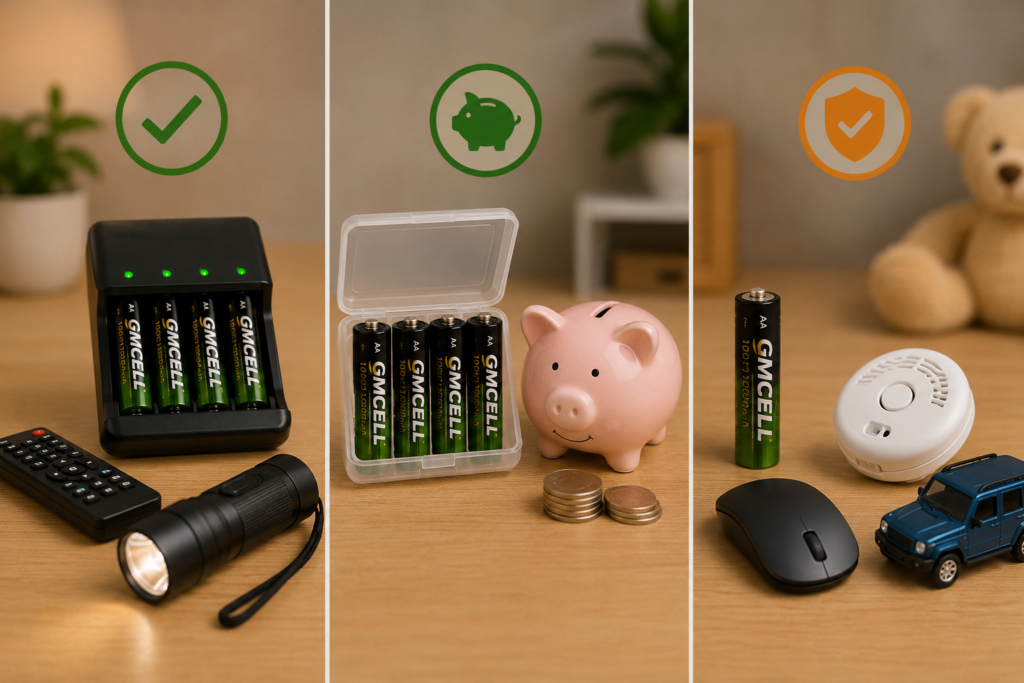
Yes — NiMH batteries are still good when you need rechargeable everyday power, lower long-term replacement cost, and a safer, familiar option for devices that already use common battery sizes.
What Is a NiMH Cell? Cell vs Battery vs Battery Pack
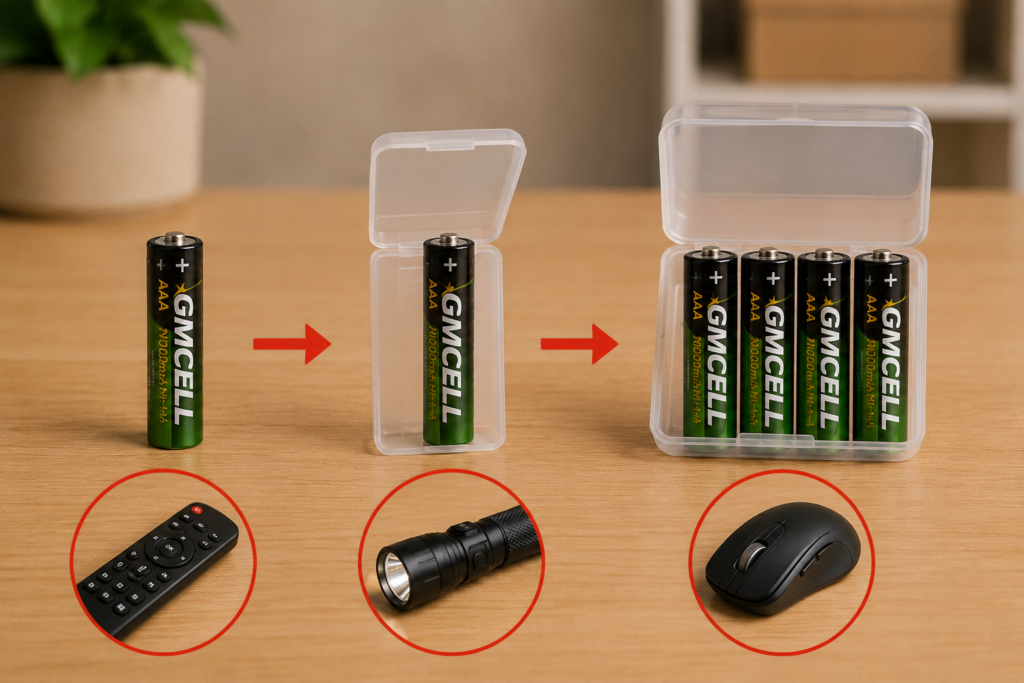
A NiMH cell is a single electrochemical unit that typically provides 1.2 volts of nominal voltage. If you have ever held an AA or AAA rechargeable NiMH battery
How Do NiMH Batteries Work?
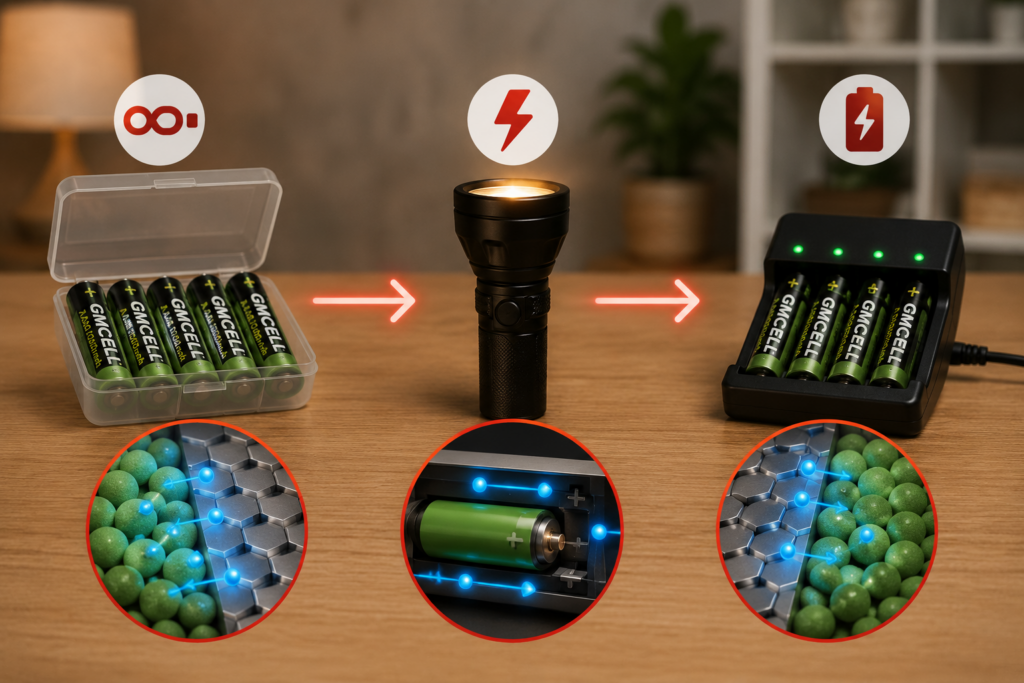
NiMH batteries generate electricity through a reversible chemical reaction between nickel compounds and a hydrogen-absorbing metal alloy.
NiMH vs 18650 Battery: Can You Replace One With the Other?
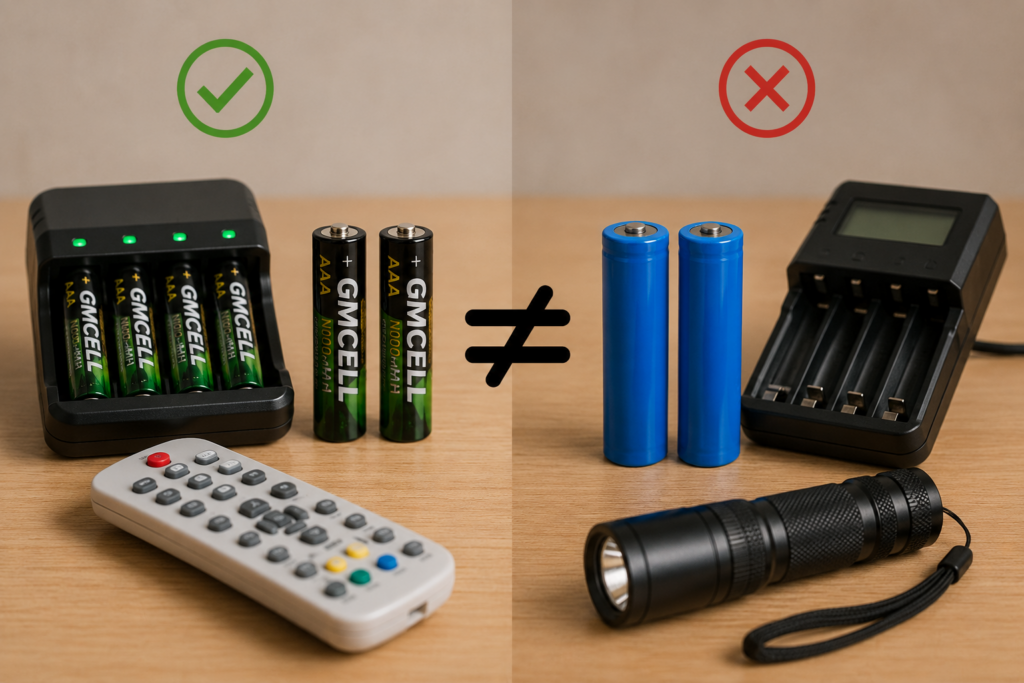
In most cases, a NiMH battery vs 18650 comparison is not really about which battery is better.
Difference Between NiMH and Lithium-Ion Batteries
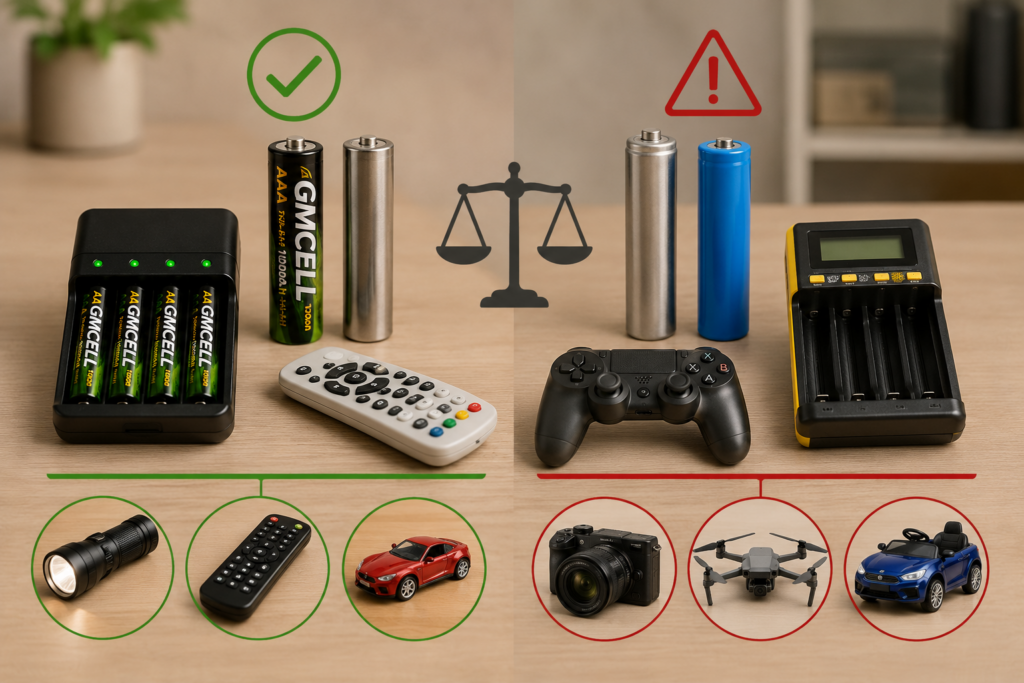
If you are comparing NiMH and lithium-ion batteries, the first thing to understand is that they are not two versions of the same battery.
How to Store NiMH Batteries for Long-Term Storage Properly
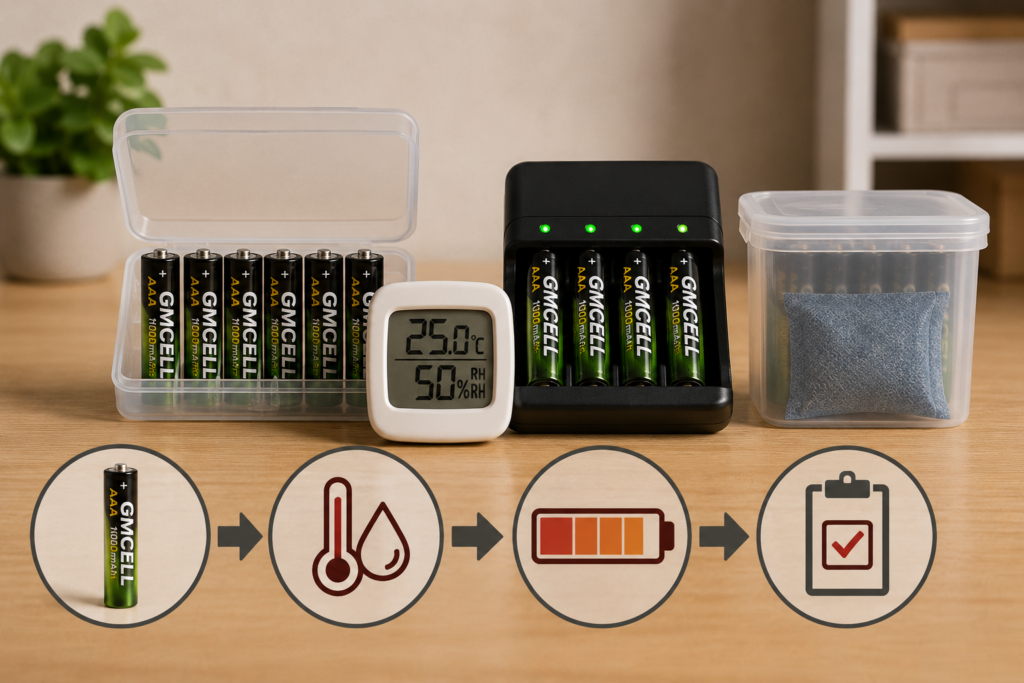
If you have a batch of NiMH batteries sitting unused for six months, one year, warehouse inventory, or replacement stock, proper nimh battery storage helps reduce capacity loss, leakage risk, and unexpected failure when you need the cells again.
NiMH vs Lithium Safety: Which Rechargeable Battery Is Safer?
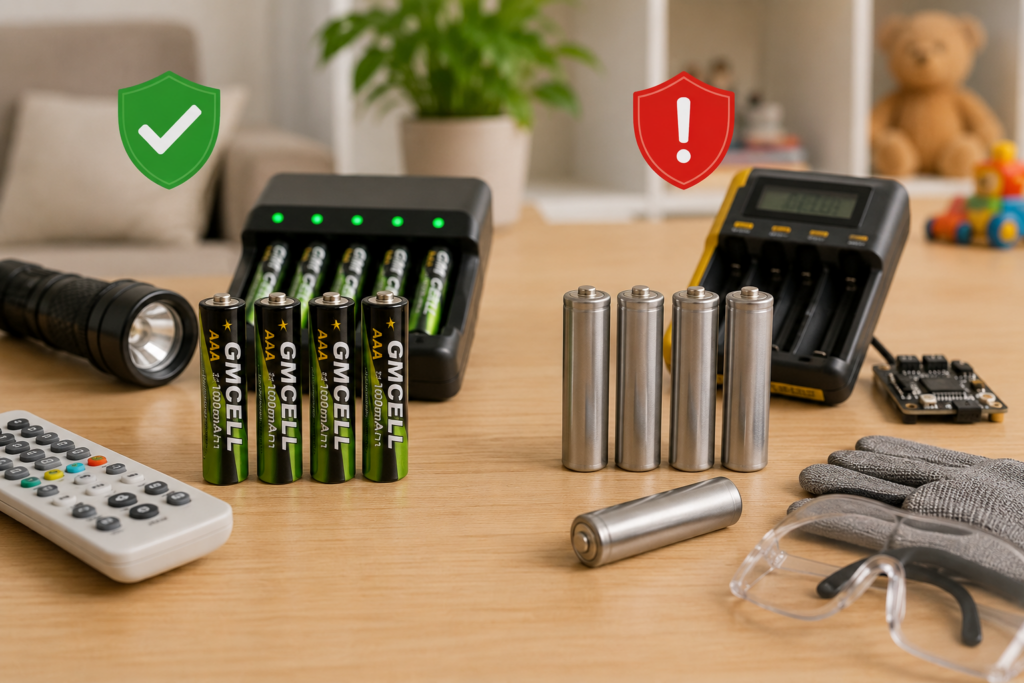
If you are choosing rechargeable batteries for home devices, children’s toys, remotes, flashlights, or everyday electronics, safety matters just as much as runtime.
NiMH vs Lithium in Cold Weather: Which Battery Performs Better?
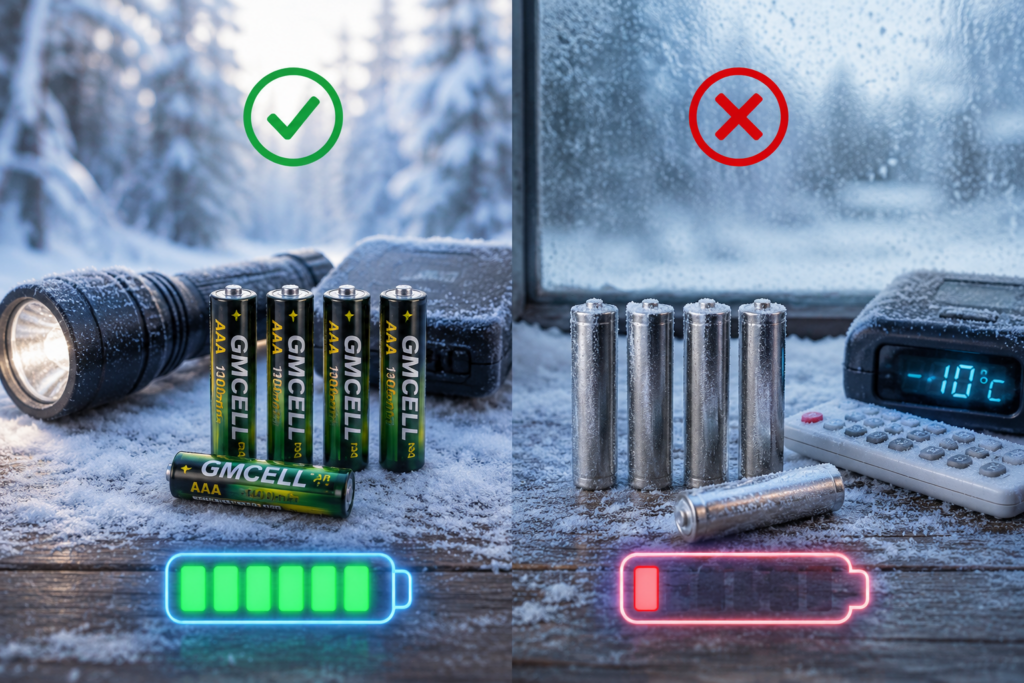
When temperatures drop, both NiMH cold weather performance and lithium cold weather performance can change quickly.
NiMH vs Lithium Shelf Life: Which Holds Charge Longer?
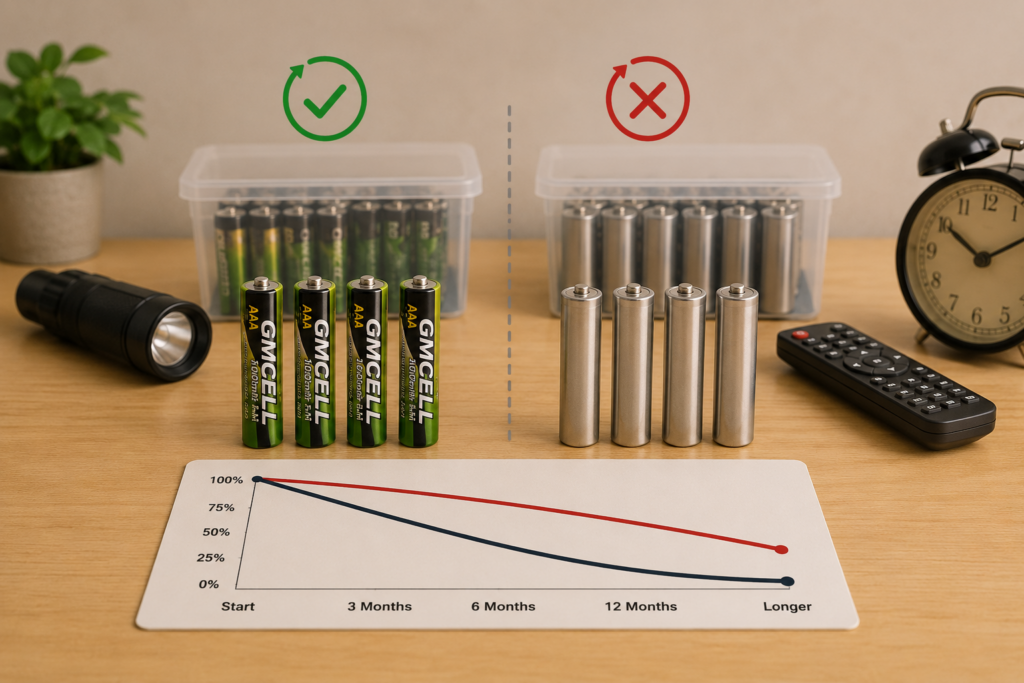
If you keep batteries in a drawer, emergency kit, remote control, flashlight, or backup device, the real question is not only which battery has more power today.
NiMH vs Lithium Battery Lifespan: Which Rechargeable Battery Lasts Longer?
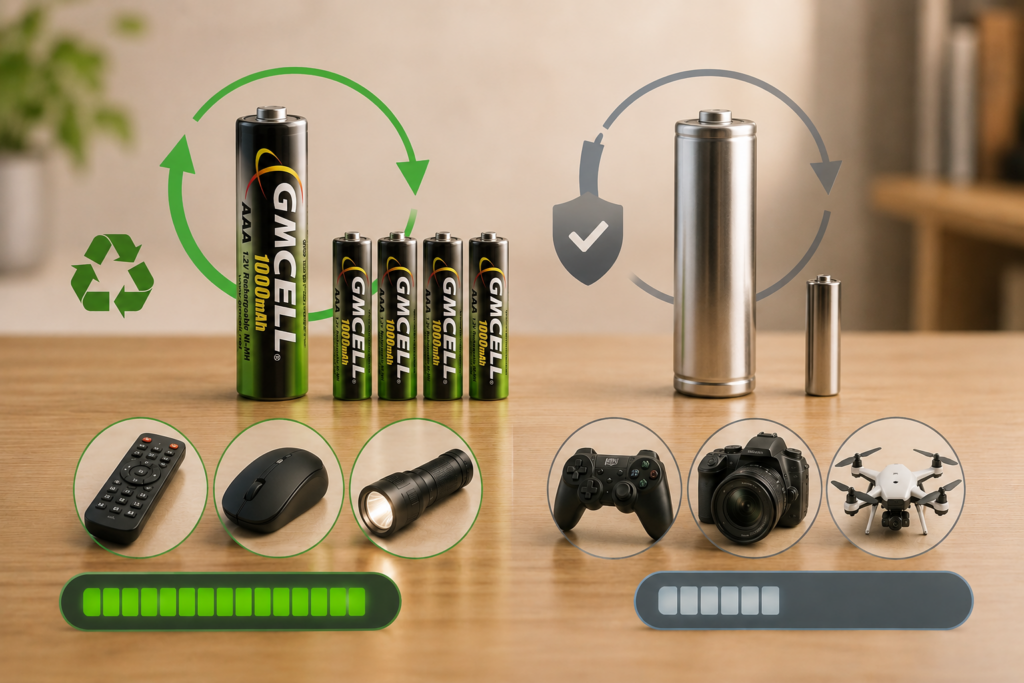
If you are comparing NiMH vs lithium battery lifespan, the answer depends on what you mean by “lasts longer.”