
Recommended Ni-MH Batteries
-
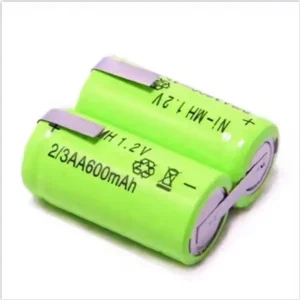
1.2v 2/3 Ni-MH
Read more -
1.2V NI-MH AA 1600mAh
Read more -
1.2V NI-MH AA 2000mAh
Read more -
1.2V NI-MH AA 2300mAh
Read more -
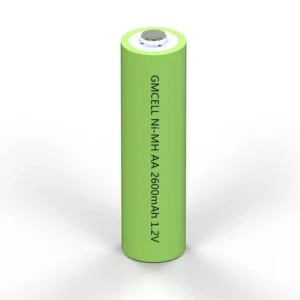
1.2V NI-MH AA 2600mAh
Read more -
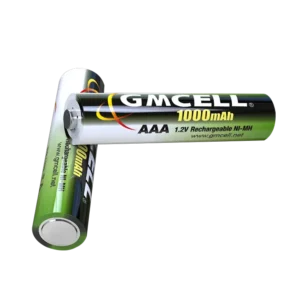
1.2V NI-MH AAA 1000mAh
Read more -
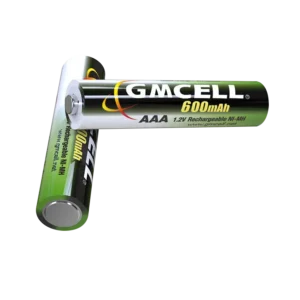
1.2V NI-MH AAA 600mAh
Read more -
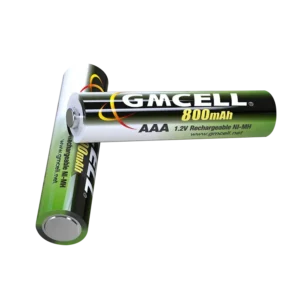
1.2V NI-MH AAA 800mAh
Read more -
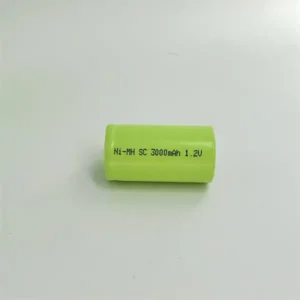
1.2V Ni-MH C 3000mAh
Read more -
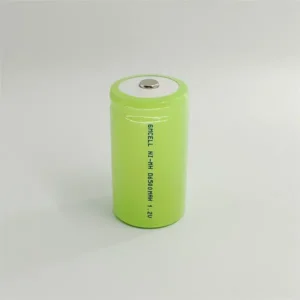
1.2V Ni-MH D 6000mAh
Read more -
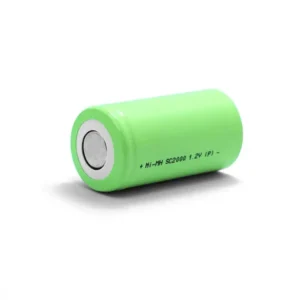
1.2v SC Ni-MH Rechargeable Battery
Read more -
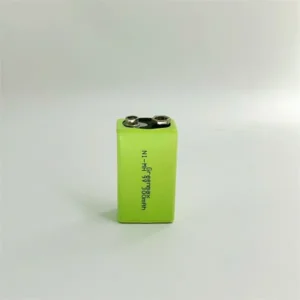
9V Ni-MH 250mAh Rechargeable Battery
Read more -
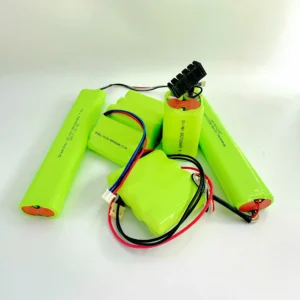
NiMH AA 4.8V 2500mAh
Read more -
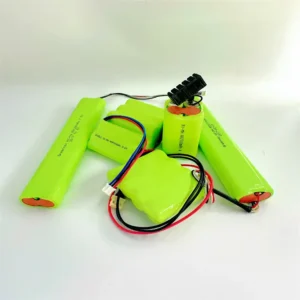
NiMH AA 9.6V 2000mAh Battery Pack
Read more -
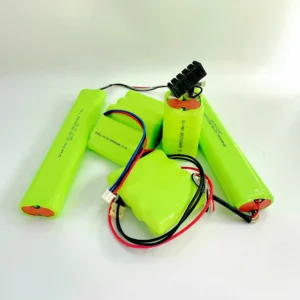
NiMH AAA 3.6V 900mAh
Read more
What Are AA NiMH Batteries?
If you are comparing rechargeable AA options, AA NiMH batteries are one of the most practical choices for everyday devices. Here, AA refers to the physical battery size, while NiMH refers to the nickel-metal hydride chemistry inside the cell. In simple terms, this means you are looking at a standard AA-shaped battery designed for repeated charging and reuse rather than single-use disposal.
AA NiMH batteries are rechargeable, and their typical nominal voltage is 1.2V. They are commonly used in devices that go through batteries more often, such as toys, wireless mice, cameras, game controllers, and some solar lights. So when you see the name AA NiMH, think of it as a battery that keeps the familiar AA format but changes the chemistry and usage model to support repeated charging.
- AA = standard battery size format
- NiMH = nickel-metal hydride chemistry
- Rechargeable instead of single-use
- Typical nominal voltage: 1.2V
- Often used in frequently powered devices
Figure 1. This overview diagram helps you separate three things that users often mix together: the AA size, the NiMH chemistry, and the rechargeable use model. It also shows why AA NiMH batteries are commonly discussed for devices that see repeated battery use.
Cite this figureAA Size, Voltage, and Basic Compatibility
One of the most common questions is whether all AA batteries are the same. The short answer is: they usually share the same AA physical size, but they do not share the same chemistry, voltage, or real-world behavior. That is exactly why two batteries can both fit into the same compartment while still performing differently once the device is turned on.
A typical AA NiMH battery has a nominal voltage of 1.2V, while a common alkaline AA is usually described as 1.5V. This voltage difference matters because some devices are flexible, while others are more sensitive to power characteristics, battery detection thresholds, or expected discharge behavior. So even when the battery size is the same, the user experience may not be exactly the same.
In many everyday devices, AA NiMH batteries can replace alkaline AA batteries successfully, especially when the device is used often and benefits from rechargeability. But it is better to think in terms of general compatibility rather than assuming universal one-to-one replacement in every case. The safe conclusion is this: same size does not automatically mean same chemistry, same voltage, or same performance response.
- AA size is usually the same across chemistries
- AA NiMH nominal voltage is typically 1.2V
- Alkaline AA is commonly labeled 1.5V
- Same fit does not guarantee the same device behavior
- Replacement works in many devices, but device design still matters
Figure 2. This comparison graphic makes one key point clear: AA tells you the physical size, but not the full electrical behavior. AA NiMH, AA alkaline, and AA lithium may fit the same battery slot while still differing in chemistry, nominal voltage, rechargeability, and user experience.
Cite this figureWhen AA NiMH Batteries Make Sense
If you are wondering whether AA NiMH batteries are worth it, the most useful question is not “Are they better than every other AA battery?” but rather “Are they better for the way I actually use my device?” AA NiMH batteries usually make the most sense when a device is used often, drains batteries regularly, and would otherwise require repeated replacement purchases over time.
In practical day-to-day use, AA NiMH batteries are often a strong fit for frequent-use devices such as toys, wireless mice, cameras, flashlights, game controllers, and some solar lights. In these scenarios, the value comes from being able to recharge the same batteries again and again instead of buying fresh cells every time power runs low. That repeated charging value is usually where NiMH becomes more attractive.
They also make sense for users who care about long-term practical cost. The upfront price may be higher than a basic pack of disposable alkaline AA batteries, but the economics can look much better when the same device goes through batteries often. So if your routine involves frequent battery changes, regular weekly use, or several battery-powered devices in the same household, AA NiMH batteries often become easier to justify.
- Best for devices used often, not occasionally
- Useful when battery replacements happen regularly
- Better value grows over repeated charge cycles
- Practical for users managing several AA-powered devices
- Often a smart choice for repeat-use household electronics
Figure 3. This SVG visualizes the kind of device scenarios where AA NiMH batteries often make the most sense: frequent use, repeated charging value, and repeated replacement savings. It gives users a practical way to connect battery choice to real device behavior instead of comparing battery types in the abstract.
Cite this figureWhen AA NiMH Batteries May Not Be the Best Choice
A trustworthy battery guide should not pretend that one chemistry wins in every situation. AA NiMH batteries are not obsolete, but they are also not the ideal answer for every device and every user. Knowing where the limits are makes it much easier to choose the right battery type with confidence.
One common example is long idle storage. If a device sits unused for long periods and you mainly care about leaving batteries in place until the next emergency or occasional use, another chemistry may sometimes feel more convenient. In those situations, the strongest selling point of NiMH—repeat charging value—does not always get used enough to matter.
Another limit appears in highly voltage-sensitive devices. Even though AA NiMH and alkaline batteries can share the same size, their electrical behavior is not identical. Some devices work very well with NiMH, while others may be more particular about voltage expectations, low-battery detection, or how the power curve behaves during use.
AA NiMH may also be a weaker fit for users who simply do not want a charging routine. Rechargeable batteries bring value when you are willing to manage charging, keep sets organized, and recharge them when needed. If you want a grab-and-go battery with no charging step at all, a different chemistry may sometimes match your habits better.
- Less ideal when a device sits unused for long periods
- May require extra care in voltage-sensitive devices
- Not the easiest fit for users who dislike charging routines
- Some use cases may favor other chemistries for convenience
- “Best battery” always depends on device and usage pattern
Long Standby Periods
If the device is stored for extended periods and only used occasionally, the real value of repeated recharging may not be fully realized.
Voltage-Sensitive Products
Some devices are more particular about voltage behavior, so size matching alone is not enough to guarantee the same real-world result.
No-Charging Users
If you want zero charging management and maximum simplicity, another battery type may feel easier to live with.
AA NiMH vs Alkaline Batteries
If you are deciding between AA NiMH and alkaline batteries, the most important difference is simple: AA NiMH is rechargeable, while standard alkaline AA batteries are typically single-use. That one difference changes the whole buying logic. Instead of asking which chemistry is “better” in the abstract, it is much more useful to ask which one fits your device, your usage frequency, and your routine.
Choose NiMH if your device is used often, burns through batteries regularly, and would otherwise force you to keep buying replacements. In that situation, the repeated-use economics usually become the biggest advantage. The more times you would have replaced disposable AA batteries, the more attractive rechargeability becomes.
Choose alkaline if you care more about simple grab-and-go convenience, especially for low-drain or occasional-use devices. For products that sit unused for long stretches or do not need frequent battery changes, a disposable option can sometimes feel more practical. So this is not just a chemistry comparison. It is really a comparison between single-use convenience and long-term reusable value.
- AA NiMH = rechargeable and built for repeated use
- Alkaline AA = typically single-use and convenience-focused
- Frequent-use devices often lean toward NiMH
- Occasional low-drain use may lean toward alkaline
- Replacement logic depends on device behavior, not size alone
Choose NiMH If…
Your device is used often, you replace batteries regularly, and you want the long-term value of charging the same AA cells again instead of repeatedly buying new ones.
Choose Alkaline If…
Your device sees lighter or more occasional use, you prefer zero charging routine, and you want a simple single-use option for convenience-first situations.
Figure 4. This decision diagram turns a battery comparison into a user-choice guide. AA NiMH is shown as the stronger fit for repeated use and long-term reuse value, while alkaline is framed around single-use convenience and lighter, more occasional scenarios.
Cite this figureAA NiMH vs Li-ion AA Batteries
Comparing AA NiMH with Li-ion AA batteries is a deeper decision than comparing NiMH with alkaline. Both may be discussed as rechargeable options, but the rechargeable logic is not exactly the same. Their cost structure, charging approach, energy density profile, and device behavior can differ enough that direct one-to-one substitution should be considered carefully.
AA NiMH often makes sense for users who want a practical rechargeable AA solution for repeated everyday devices. Li-ion AA batteries may be more attractive in situations where higher energy density, compact power preference, or a different performance profile is part of the decision. That does not mean one is universally better. It means the better choice depends on the application you are actually trying to support.
The safest mindset is this: choose by scenario, not by hype. If you are comparing these chemistries, look at the device type, how often it is used, how you plan to charge the batteries, and whether the device is comfortable with the battery behavior you are introducing. That is why direct substitution should never be treated as automatic just because the battery label also says “AA.”
- Both may be rechargeable, but not in the same practical way
- Cost, charging logic, and device fit can differ
- NiMH often suits repeated everyday AA use
- Li-ion AA may suit different power priorities
- Direct substitution should be evaluated carefully
NiMH AA Suits…
Repeated everyday use, familiar rechargeable AA workflows, and users who want a practical battery solution for devices that regularly cycle through AA power.
Li-ion AA May Suit…
Use cases where higher energy density or a different compact power preference becomes part of the buying decision and the device fit is clearly understood first.
Figure 5. This selection map helps users move away from “which battery is absolutely better?” and toward a more practical question: “Which battery matches my application better?” It visually separates repeated everyday AA use from higher energy density or compact power preference, while keeping device compatibility at the center of the decision.
Cite this figureBattery Life, Runtime, and Recharge Cycles
When users ask how long AA NiMH batteries last, they are usually mixing together two different ideas. The first is runtime, which means how long the battery can power a device in one use period. The second is overall lifespan, which means how long the battery remains useful across many recharge cycles over time. These are related, but they are not the same thing.
Runtime depends mostly on the device load and the battery capacity. A camera, toy, or bright flashlight will place a very different demand on the battery than a low-drain device. That is why there is no single honest answer for “How long will one AA NiMH battery last?” The correct answer depends on what the battery is powering, how hard the device pulls power, and how much capacity the battery has to work with.
Recharge cycle life depends on a different set of factors. Charging habits, charging heat, storage conditions, and charger quality all affect how long a rechargeable battery stays healthy over the long run. So if you want realistic expectations, it helps to separate the question into two parts: “How long will it run today?” and “How long will it remain a good battery over repeated use?”
- Runtime and lifespan are different concepts
- Runtime depends on device load and battery capacity
- Cycle life depends on charging habits and battery care
- Heat, storage, and charger quality affect long-term health
- The “longest lasting” battery depends on the actual use case
Figure 6. This diagram separates runtime from cycle life so users do not confuse single-use performance with long-term battery health. It also shows the four major influences that shape real results: device load, capacity, charger quality, and temperature or storage conditions.
Cite this figureHow to Choose the Right AA NiMH Battery
If you are trying to find the best AA NiMH rechargeable battery, it helps to stop thinking in terms of one universal winner. The right choice usually depends on your device type, how often you use it, how long it sits between uses, and whether you want a battery-only solution or a battery-and-charger kit. A good selection process should feel practical, not overwhelming.
Start with the device itself. A wireless mouse, toy, camera, flashlight, or controller can all use AA batteries, but they do not all create the same demands. Then think about usage frequency. If the device is used often, rechargeability becomes easier to justify. If it spends long periods in storage, your selection logic may shift toward batteries designed to hold charge more effectively during idle time.
This is also where low self-discharge AA NiMH batteries become an important deeper branch. They are especially worth considering for users who want a rechargeable battery that still performs more comfortably in devices that are not used every day. And if you are building a first-time setup, it may be useful to decide whether you want a charger bundle from the beginning rather than buying the cells and charger separately later on.
- Choose first by device, not by label alone
- Estimate how often the device actually gets used
- Think about storage pattern, not only active use
- Decide whether you also need a charger kit
- Use low self-discharge as a deeper selection branch when needed
Figure 7. This four-step flow makes AA NiMH selection easier to act on. It guides the user through device type, usage frequency, storage pattern, and charger-bundle choice, while also showing where low self-discharge becomes a more useful deeper path.
Cite this figureIf you want to go one step deeper without overloading this main page, these are the three best next branches to explore: capacity guidance, low self-discharge options, and battery-plus-charger buying logic.
Charging, Heat, and Everyday Care
If you are using AA NiMH batteries for the first time, the main goal is not to become a battery technician. It is simply to understand a few practical rules that help the batteries perform well and last longer. The first rule is the most important: use a compatible charger designed for NiMH batteries. A good match between charger and battery matters more than most users expect.
Charging time can vary. It depends on the battery capacity, the charger design, and how empty the battery is when charging begins. That means there is no single honest answer for “How long does it take to charge AA NiMH batteries?” Some batteries may come partially charged depending on product type and packaging, but users should not assume that every pack arrives at the exact same ready-to-use state.
Heat during charging should also be interpreted correctly. A little warmth can be normal in some charging situations, but excessive or abnormal overheating is a warning sign, not something to ignore. Improper charging habits, the wrong charger, repeated unnecessary heat, or careless storage after use can all shorten battery life over time. So the practical mindset is simple: charge correctly, watch for abnormal heat, and store the batteries sensibly after use.
- Compatible NiMH charger matters
- Charging time varies by battery and charger
- Normal warmth is not the same as dangerous overheating
- Improper charging can shorten battery life
- Basic good care improves long-term performance
- Use the right charger: choose a charger that clearly supports NiMH batteries rather than assuming any rechargeable-battery charger will behave the same way.
- Do not chase unnecessary heat: mild warmth may happen, but unusual heat should be treated as a sign to stop and check the setup.
- Charge with purpose, not randomly: everyday charging habits should be practical and consistent rather than careless or excessive.
- Store after use with care: once charging is done, keep batteries in a reasonable storage environment instead of leaving them in stressful conditions.
Figure 8. This flow diagram shows the simple logic users really need: start with a compatible charger, observe battery behavior during charging, distinguish normal warmth from abnormal overheating, and store the batteries properly after use. It keeps the guidance practical instead of turning the page into a repair manual.
Cite this figureAre AA NiMH Batteries Safe and Still Worth Buying?
For most users, the real final question is not just “How does AA NiMH work?” It is “Can I trust it, and does it still make sense to buy today?” In normal, intended use with a compatible charger and sensible everyday care, AA NiMH batteries have a practical safety profile that many users find reassuring. The goal here is not to promise perfection. It is to explain why these batteries still make sense in the right situations.
AA NiMH batteries are not obsolete. They continue to matter because they solve a very real everyday problem: devices that use AA batteries often and would otherwise keep consuming disposable replacements. In those cases, NiMH still offers a strong combination of rechargeability, familiar AA format, repeat-use value, and practical household usefulness.
They are not the right answer for every person. Users who want zero charging routine, long idle storage without much attention, or a completely different power profile may prefer another chemistry in some cases. But for the user who wants a rechargeable AA solution for repeat-use devices, AA NiMH remains one of the most relevant and sensible choices available.
- Practical safety profile in normal intended use
- Still relevant for repeat-use AA devices
- Best for users who accept a charging routine
- Less ideal for users who want zero battery management
- Worth buying when the usage pattern fits
- A good fit: users with toys, controllers, cameras, mice, flashlights, or other AA-powered products that consume batteries repeatedly over time.
- A good fit: households that want long-term reusable value instead of buying fresh disposable AA batteries again and again.
- Less ideal: users who do not want to manage charging at all and prefer a purely single-use, convenience-first routine.
- Less ideal: applications where the device behavior, storage pattern, or power expectations suggest another chemistry may be more appropriate.