
Ni-MH RC Battery
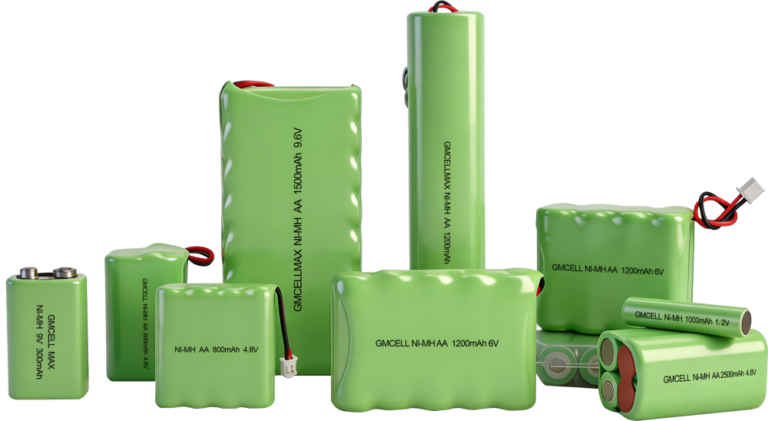
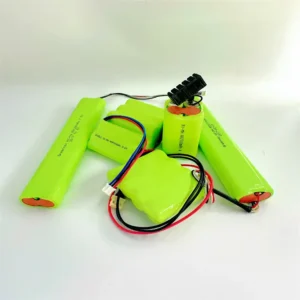
RC NiMH Battery Pack Product Overview
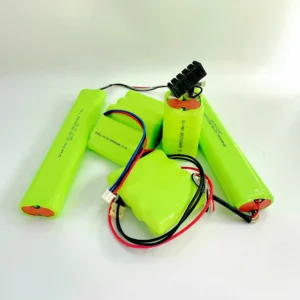
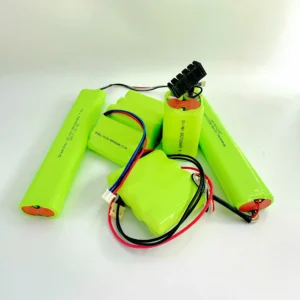
Looking for more real-world use cases? Explore our Ni-MH Battery Applications page to see how NiMH batteries are used across everyday devices, backup systems, and replacement scenarios.
An RC battery pack is a rechargeable power pack used in remote-controlled devices where pack fit, connector style, voltage, and charging compatibility matter more than appearance alone. When replacing one, the first checks should be device fit, connector match, pack dimensions, and whether the charging method suits the original RC system.
In many RC applications, the power source is a built battery pack rather than loose cells, so replacement decisions need to go beyond capacity alone. Battery compartment space, connector style, wire direction, and the original charging setup all affect whether a new pack will actually work well. This page helps you review pack fit, runtime expectations, compatibility risks, and when a more carefully matched replacement makes sense.
What This RC Battery Pack Is Used For
An RC battery pack is a grouped rechargeable power unit used inside remote-controlled devices where stable fit and practical installation matter just as much as electrical specs. In this type of product, the battery is usually designed as a pack rather than loose cells because the device needs a more controlled power format that can be placed into a defined battery space, connected in a fixed way, and used repeatedly without rebuilding the power setup each time.
For you as the reader, the key point is simple: this page is about the kind of battery pack that sits inside an RC device as a complete power module. It is not about ordinary disposable batteries, and it is not a general explanation of every rechargeable battery used in hobbies. In real RC use, a battery pack often makes more sense because it is easier to install, easier to align with the original connector setup, and easier to match to the intended battery compartment without turning replacement into a trial-and-error process.
That is why replacement should never be based on “this one looks close enough.” What matters is whether the pack format matches the way the RC device was built to receive power. A proper pack helps maintain the original structure of the device, supports cleaner wiring, and reduces the risk of buying something that technically has power but does not truly fit the installation or charging setup. When you evaluate an RC battery pack, you are really checking whether it works as the right built power unit for that specific RC application.
Where This Pack Usually Appears in Real RC Devices
In real RC devices, the battery pack usually sits in a defined battery compartment, an enclosed housing, or another fixed installation area where space is already planned around a certain pack layout. This is why replacement is never just about matching voltage. The device may have a narrow compartment, a limited cable exit direction, or a fixed connector access point that makes one pack practical and another pack unusable, even if both look similar on paper.
Physical fit is often the first real filter. Pack thickness, width, wrapping style, and wire direction can all change whether the battery can slide into place properly or whether the cover can close without pressure. In some RC devices, even a small difference in pack shape can affect how the battery sits, how the connector reaches the socket, or whether the wiring bends naturally without strain. That means the pack layout itself is part of compatibility, not just a cosmetic detail.
This is also why two packs with the same nominal voltage can still behave very differently in a replacement situation. One may line up neatly with the original installation path, while the other may be too thick, too long, or force the wire exit into an awkward angle. The original holding method matters as well. Some RC devices expect the pack to sit in a certain orientation or rest against a fixed internal shape. If that physical relationship changes, the replacement may feel wrong even before the device is powered on. For practical replacement, structural fit is not secondary. It is one of the core checks.
What Matters Most When Replacing This RC Battery Pack
If you are replacing an RC battery pack, the best way to avoid a bad purchase is to treat the job like a simple screening process rather than a guess based on appearance. A pack that looks close to the original can still fail because the voltage is wrong, the connector does not match, the shape is unsuitable, or the original charging method no longer fits the replacement. In other words, a usable RC replacement is not defined by “it seems similar.” It is defined by whether the pack still works as the right installed power unit for your device.
Start with voltage. The replacement should stay aligned with the original pack design because voltage is part of how the device was meant to operate. After that, check the pack format. The outer shape, internal arrangement, wrapping style, and the overall build all affect whether the pack still suits the original battery space. A pack that delivers power but changes the physical layout too much may become difficult to install or unreliable in daily use.
The next step is the connector. If the connector style does not match the original system, the replacement may be unusable without additional intervention, and that is already a warning sign for routine replacement. Then review the dimensions. Length, width, thickness, wire exit position, and lead direction all affect whether the pack will sit properly inside the device. Even small differences can change how the pack fits, whether the cover closes correctly, or whether the connector can be reached without strain.
Finally, look at the charging method. This part is often missed because people focus only on whether the new pack can be inserted into the device. A replacement should also make sense with the original charging setup. If the charging pattern, contact style, or intended pack type no longer matches, the replacement may create frustration even if it fits physically. For practical RC replacement, the safest screening order is simple: match voltage first, then confirm pack format, connector, dimensions, and charging suitability. When all five points line up, you are much closer to a replacement that works cleanly instead of becoming a trial-and-error problem.
Runtime Expectations in RC Use
When you judge runtime for an RC battery pack, it helps to think in terms of use pattern rather than expecting one fixed number to apply to every device. RC use is often intermittent. There may be short active sessions, repeated starts, changing load levels, and recharge intervals that depend on how often the device is actually used. Because of that, the same pack can feel very different in one RC setup compared with another, even when the listed capacity looks similar.
Capacity still matters, but it is only part of the picture. The real runtime experience is shaped by how the device draws power, how long each session lasts, and how often the pack is recharged between uses. For practical replacement, the goal is usually not to chase the biggest possible number. It is to get a pack that fits properly, works with the original charging approach, and delivers a realistic operating time for the way the RC device is actually used.
That is why a larger pack is not automatically a better answer. If the size changes the fit, pushes the wiring into a poor angle, or makes charging less suitable, the added capacity may create more problems than value. A better question is this: does the replacement support stable everyday use in a reasonable cycle of operation and charging? If the answer is yes, that is usually more useful than simply choosing the highest capacity you can find. In RC replacement, runtime should be judged with the actual device, the actual use rhythm, and the actual installation limits in mind.
Common Fit or Compatibility Mistakes
When an RC battery pack replacement goes wrong, the reason is often not complicated. In many cases, the problem starts with one shortcut decision that feels reasonable at first but ignores how the original pack actually fits and works inside the device. If you want a replacement that works smoothly, it helps to avoid a few very common mistakes before you spend time or money on the wrong pack.
Only checking voltage
It is easy to assume that a matching voltage means the replacement is good enough. The real risk is that the pack may still fail on shape, connector style, or charging fit. The better approach is to treat voltage as the first check, not the final answer.
Ignoring connector type
A pack can look close to the original and still be unusable if the connector does not match. The risk here is obvious: the replacement may not connect cleanly to the device at all. Always confirm the connector style before you assume the pack is compatible.
Assuming similar-looking packs are interchangeable
Similar appearance often leads people to think the installation result will also be similar. The risk is that wire exit direction, wrapping layout, or internal arrangement may still differ enough to create a poor fit. A better decision comes from checking the actual pack format instead of trusting appearance alone.
Overlooking pack dimensions
A small difference in length, width, or thickness can be enough to make installation awkward or impossible. The real risk is buying a pack that has the right spec on paper but does not sit properly in the battery space. Always check dimensions with the device compartment in mind.
Forgetting the original charging setup
Some replacements are judged only by whether they can be inserted into the device. The problem is that charging suitability matters too. If the original charging setup no longer matches the replacement logic, the pack may create ongoing inconvenience even when the physical fit looks acceptable.
Choosing capacity first and fit second
A bigger capacity number can look attractive, but the actual risk is ending up with a pack that changes the fit, wire path, or charging practicality. A better replacement is usually the one that fits the original device cleanly and delivers reasonable use time, rather than the one with the largest number on the label.
If you keep these mistakes in mind, RC battery pack replacement becomes much easier to judge. The goal is not to overcomplicate the process. It is simply to screen the pack in a more realistic way, so you do not choose something that looks acceptable at first but creates fit or compatibility problems later.
When a Connector-Matched or Custom Pack Makes Sense
Not every RC battery pack replacement can be solved with a standard off-the-shelf option. In some cases, a connector-matched or more carefully built replacement becomes the more practical path because the original pack is no longer easy to source, the connector is unusual, or the device battery space leaves very little room for compromise. When that happens, trying to force a near-match often creates more trouble than value.
A more tailored replacement can make sense when the original pack has been discontinued, when the wire exit and connector layout are part of the fit, or when service teams need more consistent replacement logic across a small inventory of devices. It can also be the better option when a project needs replacement packs in small batches and the main goal is not novelty, but stable repeatability in voltage, dimensions, connector style, and installation outcome.
The key idea here is simple: some RC devices are easy to replace with a standard pack, while others are better served by a replacement built around the original fit logic. That does not mean turning the page into a broad custom battery discussion. It just means recognizing that when the connector, size, or original pack structure is too specific, a connector-matched or custom-fit replacement is often the more realistic and cleaner solution.
How to Evaluate a Reliable Replacement or Supply Option
If you are comparing RC battery pack replacements or reviewing a possible supply source, the most useful question is not simply whether the pack is available. The better question is whether the fit information can be checked clearly enough to avoid guesswork. A reliable option usually starts with clear pack information rather than vague similarity. That means the original voltage, connector style, overall dimensions, and intended device use should all be understandable before the replacement is treated as a serious match.
It also helps to see whether charging compatibility has been considered, not just whether the pack can be inserted into the device. A stronger replacement review will usually look at the full fit profile: voltage, connector, pack layout, wire exit, dimensions, and the way the original charging setup is expected to work. If those points cannot be clarified, the replacement may still be possible, but it is harder to call it a reliable choice.
For users managing more than one device or planning repeat replacements, it is also worth asking whether the option can support pack fit review, service inventory needs, or small-batch supply. In some RC applications, a good source is not the one that promises the most. It is the one that can review the original pack details carefully, respond to connector-matched questions, and work from actual fit information instead of rough assumptions.
In practical terms, a dependable replacement or supply option is usually one that can help confirm the pack logic before the order moves forward. That is what makes the difference between a cheap guess and a cleaner replacement decision.
Final Recommendation
If you are reviewing an RC battery pack replacement, the best starting point is not capacity alone but the full fit profile. In most cases, the most important checks are voltage, dimensions, connector style, pack layout, and charging compatibility. When those points are reviewed clearly, the replacement decision becomes much more practical and much less dependent on trial and error.
For sourcing or replacement support, the most useful information usually includes the original pack details, connector photos, key dimensions, and the intended device model. That kind of information makes it easier to confirm whether a standard pack is suitable or whether a more closely matched solution would make more sense.
If you are comparing options now, it helps to begin with fit review first, then move to connector confirmation and supply planning. That approach usually leads to a cleaner replacement result and a more reliable long-term choice.
Recommended Reading
If your battery pack is for another remote-control, hobby-use, or portable entertainment device rather than an RC model itself, these related pages may be a closer match.
FAQ About RC Battery Packs
Below are the questions people most often ask when comparing an RC battery pack replacement. The goal here is not to repeat the whole page, but to help you quickly check the points that usually matter most in real replacement decisions, such as fit, connector style, pack size, charging suitability, and the information needed for a more reliable match.