
Batteries You Can Buy with Confidence
When you buy batteries, specifications on paper are only part of the story. Real-world reliability matters just as much. That is why we work to make every batch more stable, consistent, and dependable.
Our brand is built around one clear goal: helping you avoid the common pitfalls that often come with battery sourcing.
More Than a Battery Seller
You are choosing more than a product. You are choosing whether the battery can deliver stable performance from batch to batch, over time, and in real applications—not just attractive numbers on a specification sheet.
Designed to Help You Avoid Pitfalls
Our goal is to reduce the risks that often come with battery purchasing, such as inconsistent quality, uneven performance, and products that fail to meet expectations.
Confidence Starts with Control
Our own factory is the foundation of that confidence. It gives us stronger control over product consistency, clearer accountability, and greater confidence in standing behind our quality commitments.
What this means for you:You are choosing more than price or marketing claims. You are choosing controlled quality, long-term consistencyand accountability you can trust.
A Real Factory. Real Processes. Real Accountability.
When evaluating a battery supplier, general claims are not enough. What matters is whether you can see the real operating system behind the brand.
From incoming materials and production control to inspection, testing, warehouse handling, and documented verification, these checkpoints help show whether a factory operates within a real, traceable system.
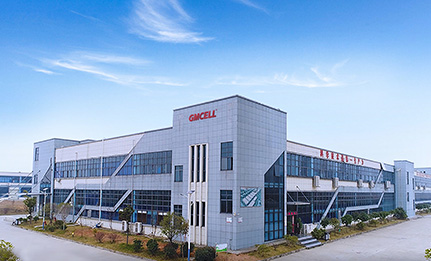
Factory Site and Exterior
This is the most direct starting point: a visible factory helps show that the brand is backed by a real operating base, not just a name without manufacturing presence.
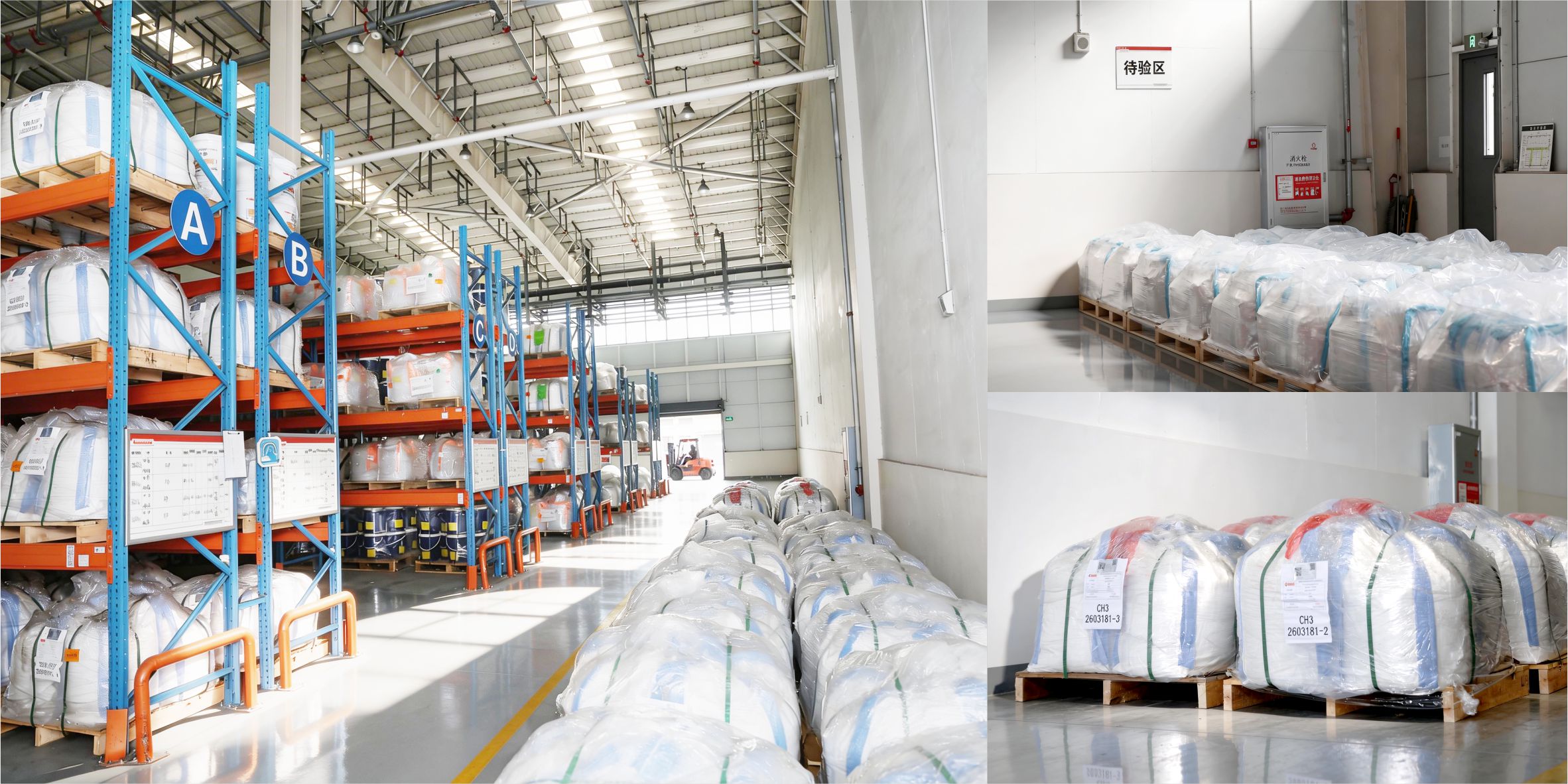
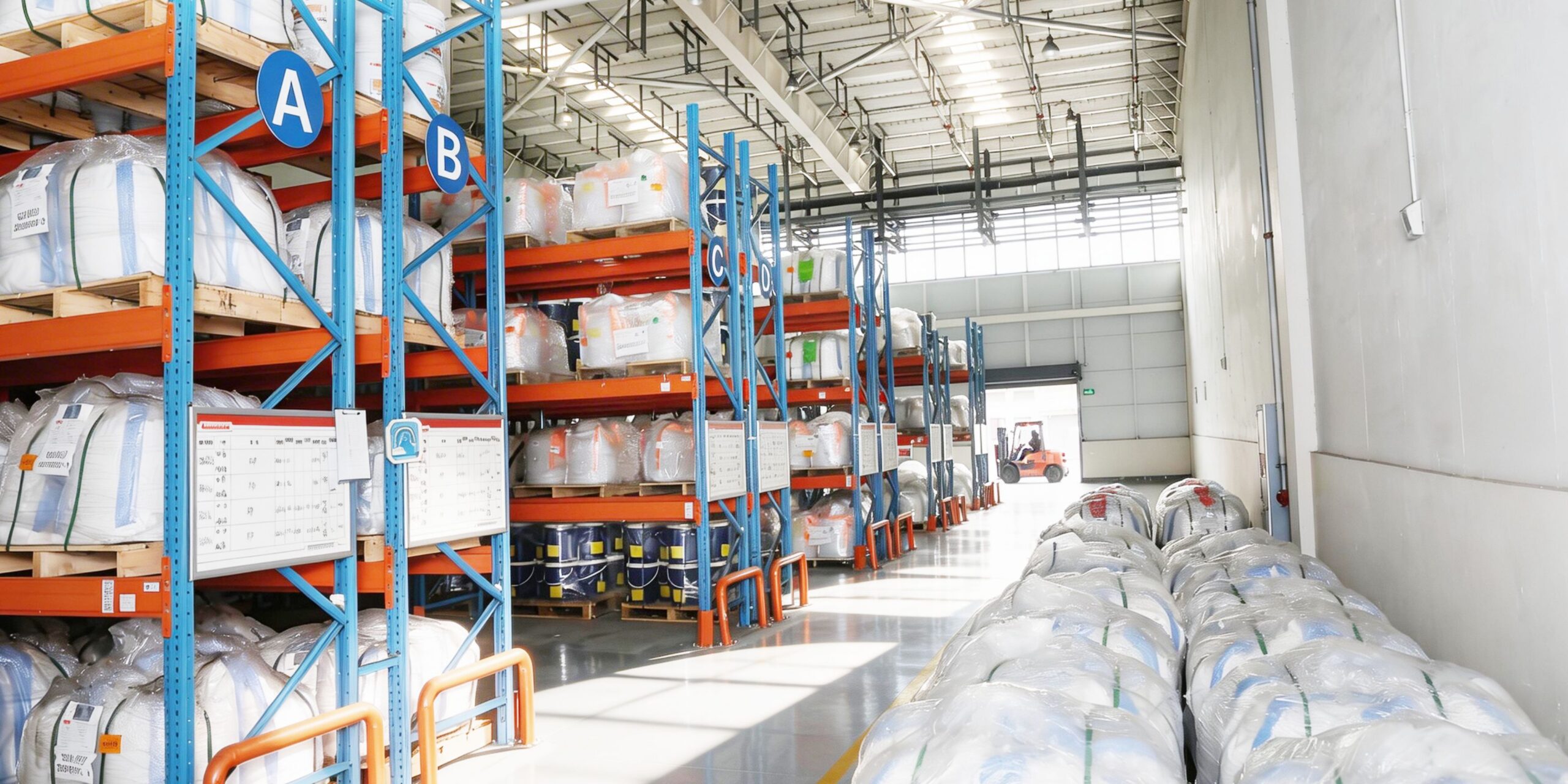
Raw Material Storage Area
A dedicated material area shows that production does not begin with ad-hoc purchasing. A more organized supply foundation is established before manufacturing starts.

Incoming Material Inspection
This helps show that raw materials are not simply received and sent straight into production. Verification before use is part of a more disciplined operating process.
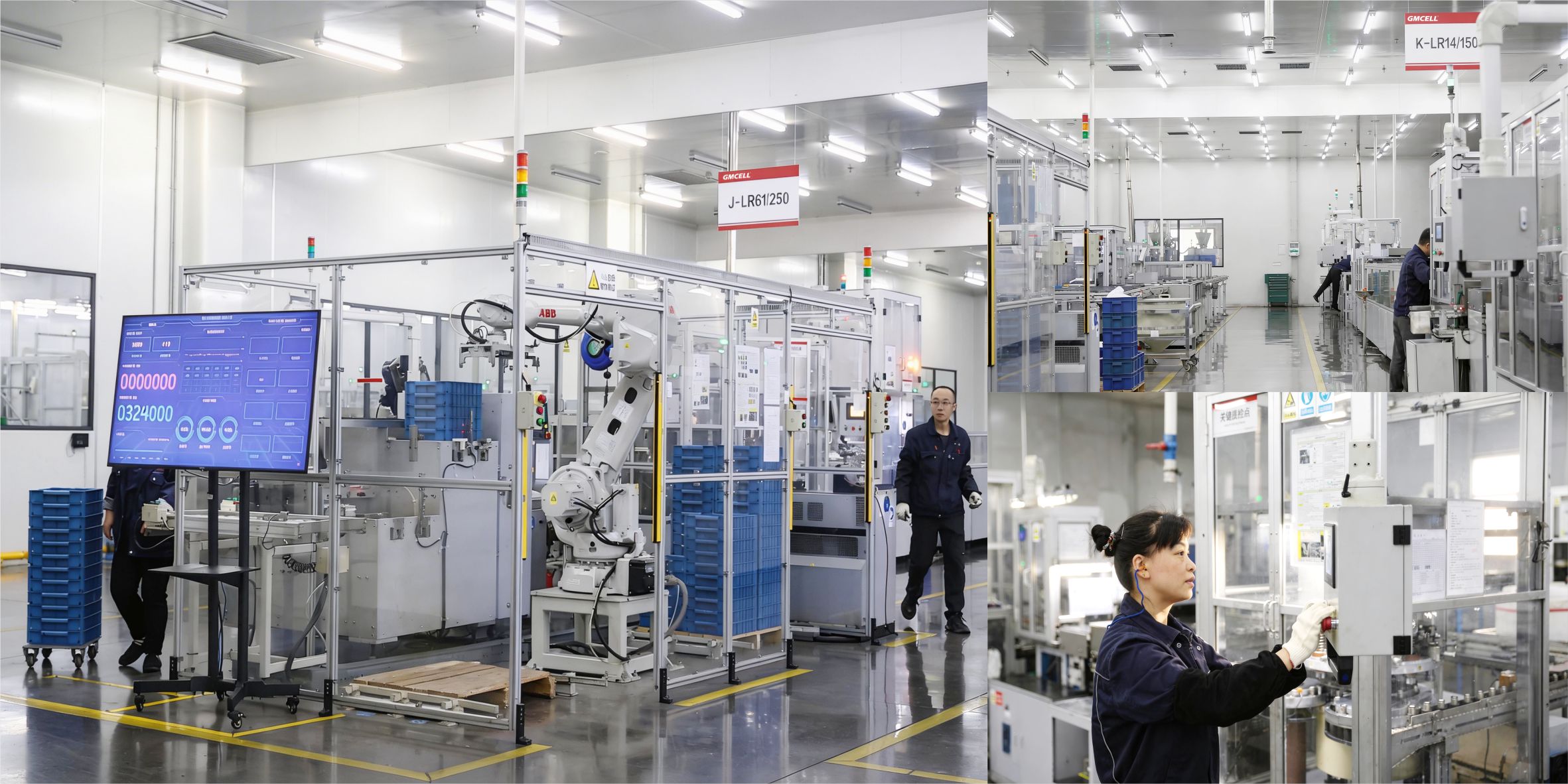
Key Production Processes
By seeing actual production steps, you can evaluate the brand based on visible manufacturing activity rather than marketing language or vague outsourcing claims.
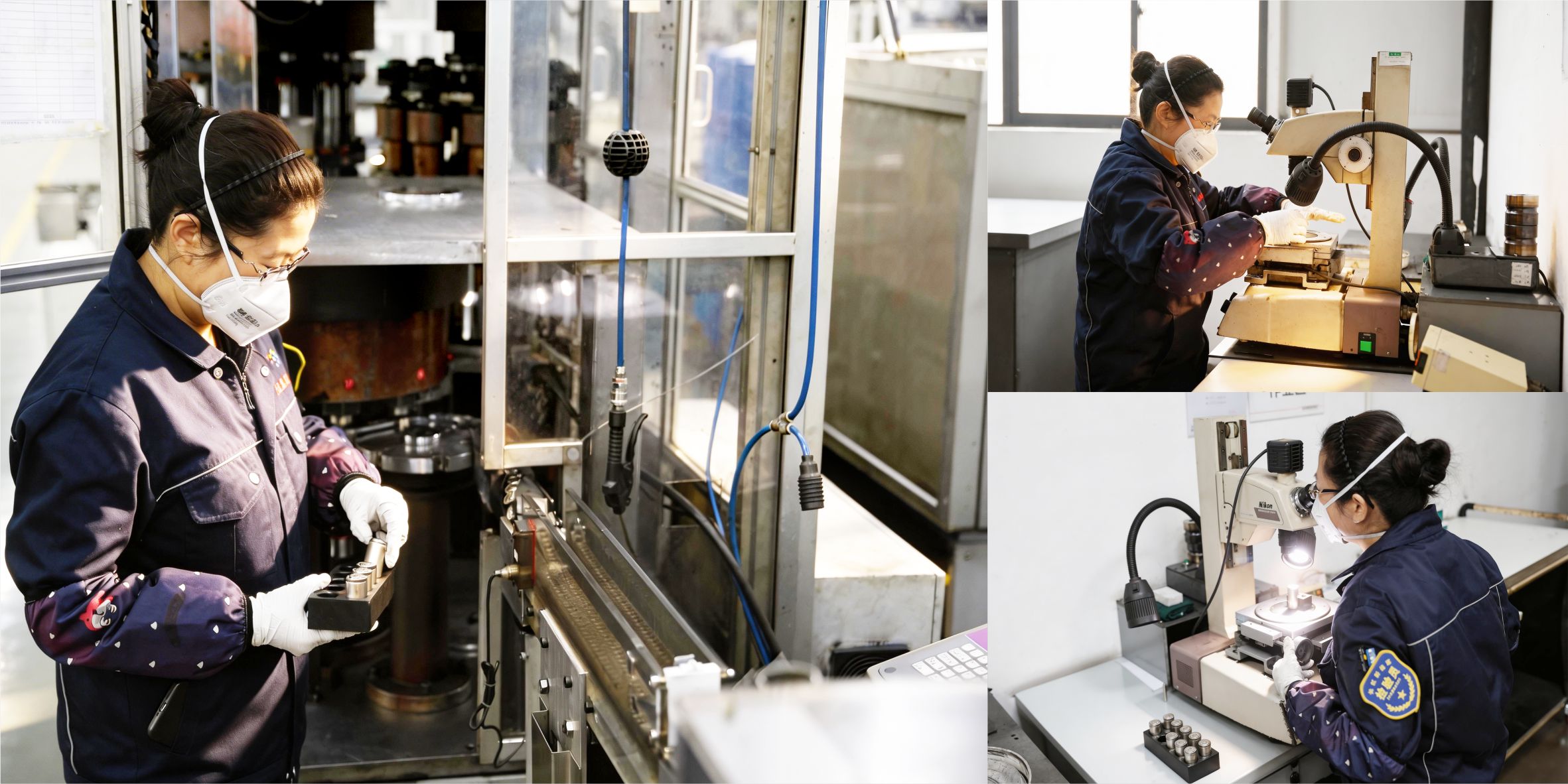
In-Process Quality Inspection
This shows that quality control is not limited to finished goods. In-process inspection reflects a system that monitors production while it is happening.
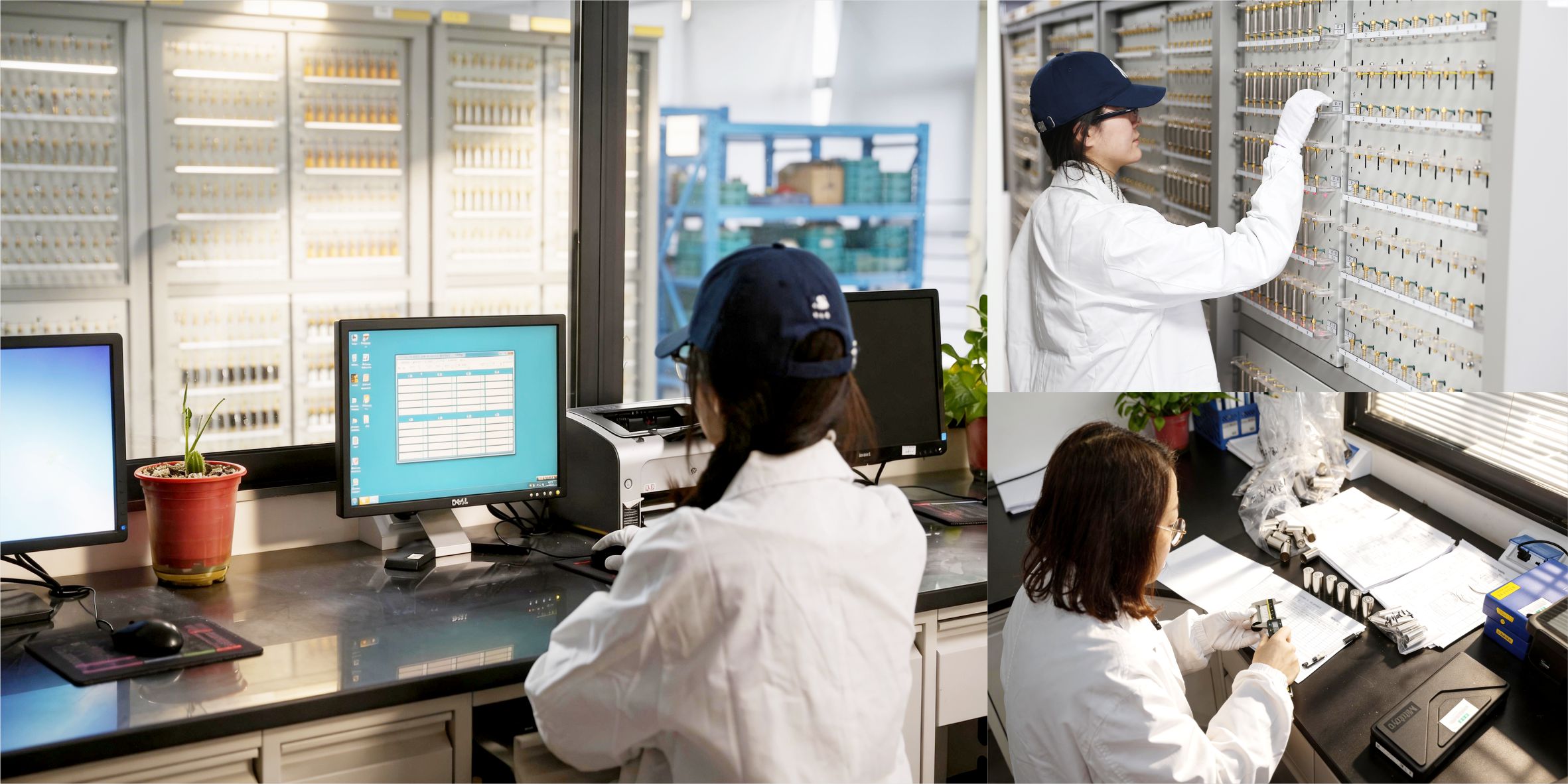
Laboratory and Reliability Testing
Laboratory and environmental testing scenes help show that product performance and reliability are supported by actual verification work, not just marketing statements.
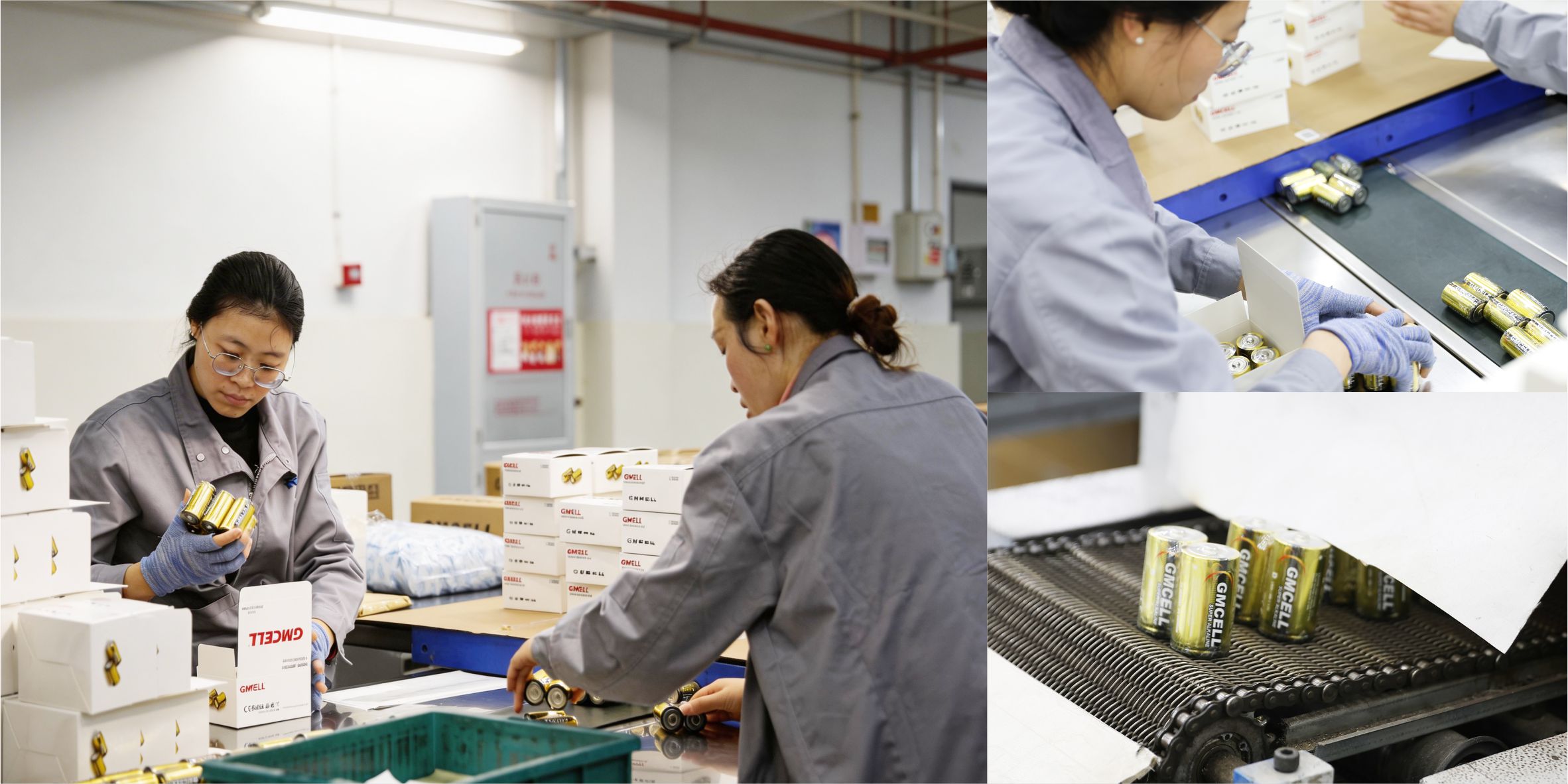
Nonconforming Product Segregation Area
A dedicated area for nonconforming products helps show how abnormal items are managed separately instead of being mixed with normal output.
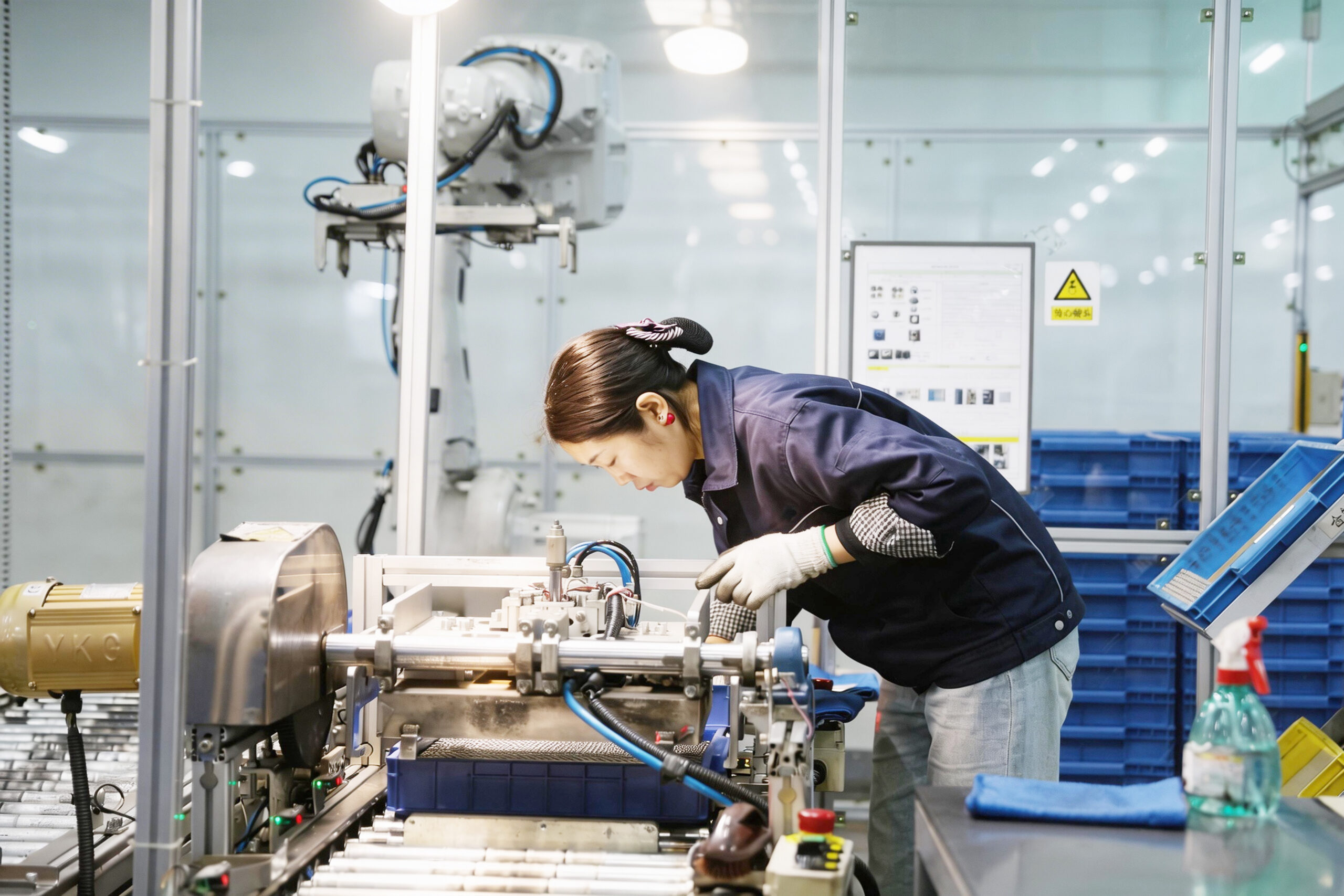
Packaging, Finished Goods, and Batch Management
These scenes show that delivery is also part of the control chain. Packaging standards, warehouse handling, and batch management all matter for consistency and traceability.
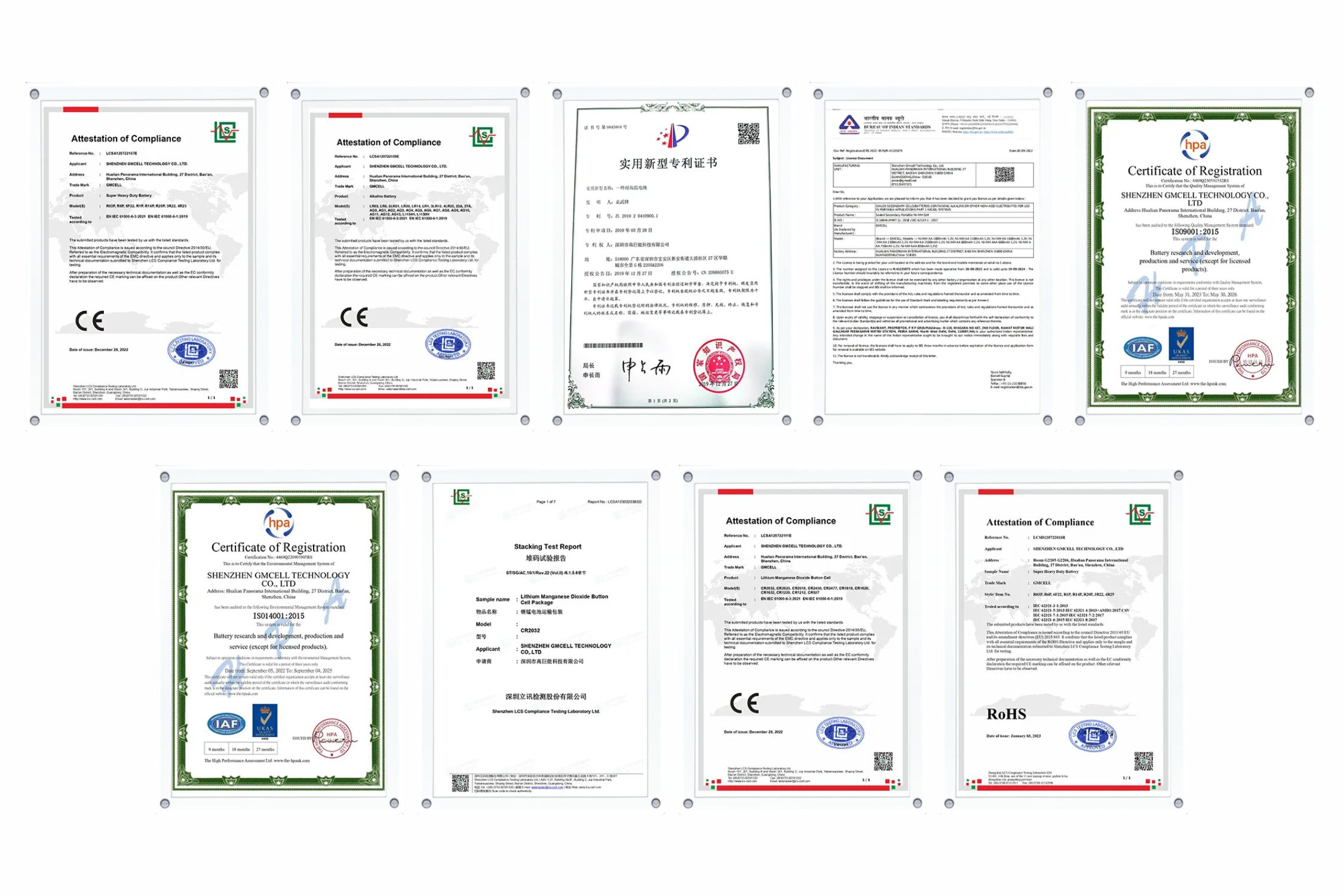
Third-Party Review and External Support
Product-specific test reports, compliance documents, and review records—when applicable—can help buyers assess quality using evidence beyond self-description.
This completes the visible proof chain: from site and process to inspection, testing, and documented verification, the key stages are supported by evidence rather than broad claims.
Actual evidence matters more than vague phrases such as “modern factory” or “strong capability”:materials, production, inspection, testing, batch handling, and documented verificationform an interconnected operating system that can be shown step by step.
Consistent Quality Does Not Happen by Accident.
This is where the real difference becomes easier to judge. It is not enough for a brand to own a factory; tighter factory control should help keep product quality more stable from batch to batch.
In many battery markets, the real question is not whether one good batch or one good sample can be made. The question is whether the next batch can still be trusted.
Any brand can show polished product photos. What matters more is whether it has a strong enough system to reduce inconsistency, control process variation, and improve traceability when issues occur.
Quality May Depend Too Heavily on External Variables
Consistency becomes easier to achieve when key steps remain inside one controlled system.
A More Controlled Path to Stable Output
For you, the goal is not perfection by luck. It is to reduce avoidable variation through a connected chain of controls.
One Connected Quality-Control System
Material control, incoming inspection, in-process checks, laboratory verification, nonconforming-product segregation, packaging, and batch handling work together as one control chain. For buyers, that creates a stronger basis for repeat-order consistency, traceability, and accountability.
What you want is not one good batch by chance, but a control system designed to make every batch more consistent, more traceable, and more dependable.
Turning Factory Control into B2B Buying Confidence
Factory terminology alone does not reduce sourcing risk. What matters to B2B buyers is how these controls support more consistent batches, clearer specifications, stable repeat supply, and better traceability.
This is where production control becomes practical procurement value: fewer avoidable surprises, more consistent batches, more credible specifications, and a stronger basis for traceability and after-sales follow-up.
For business buyers, these controls matter most when they improve:consistency, credible specifications, reliable supply, traceability, and fewer avoidable problems.
For you, this means a lower risk of quality fluctuation, fewer misleading performance expectations, and fewer surprises caused by differences between future batches.

For you, this means a lower chance that unsuitable or problematic materials enter production and become hidden issues in the finished product.
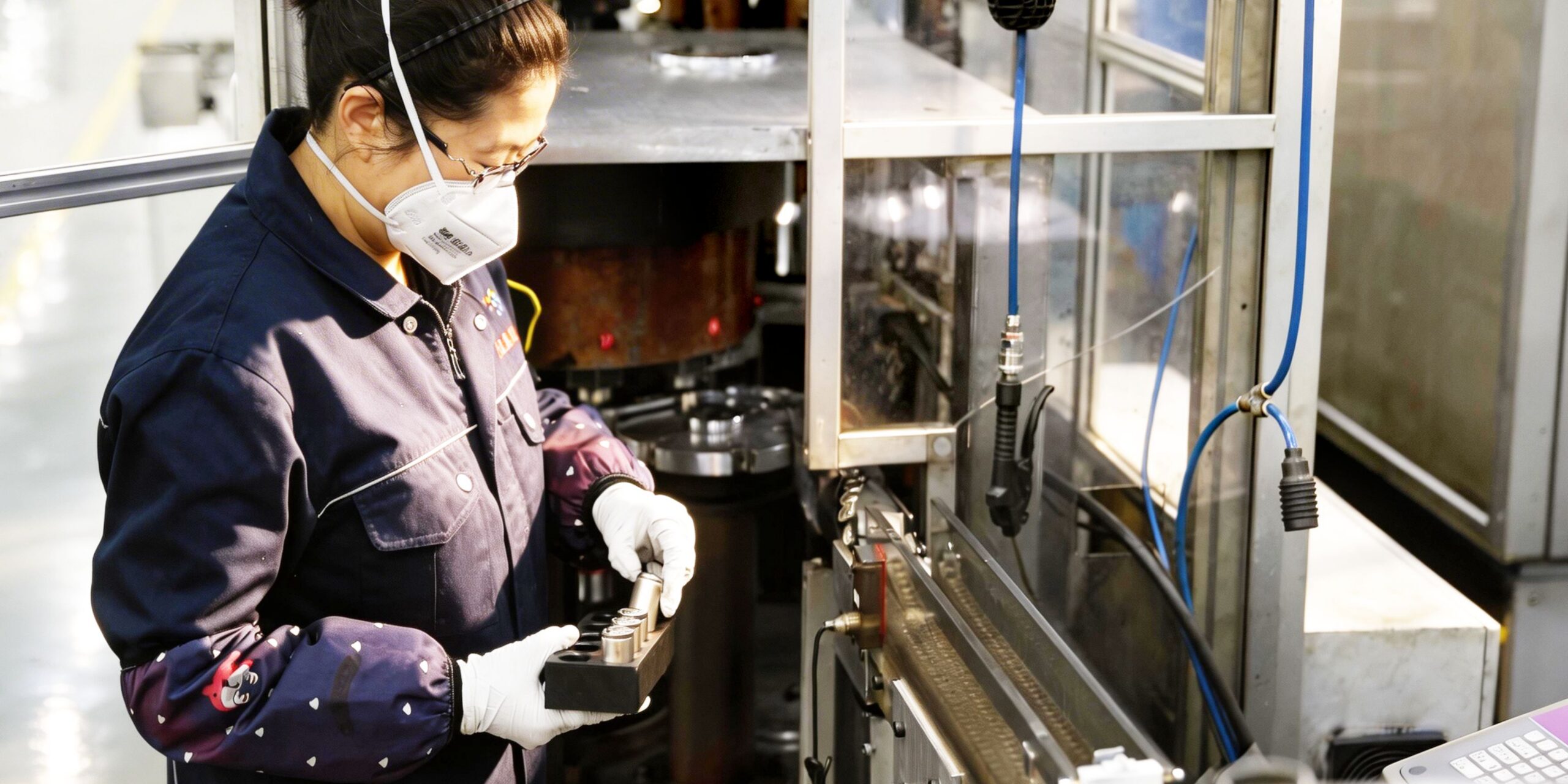
For you, this means issues are more likely to be identified during production rather than after finished goods are ready to ship.
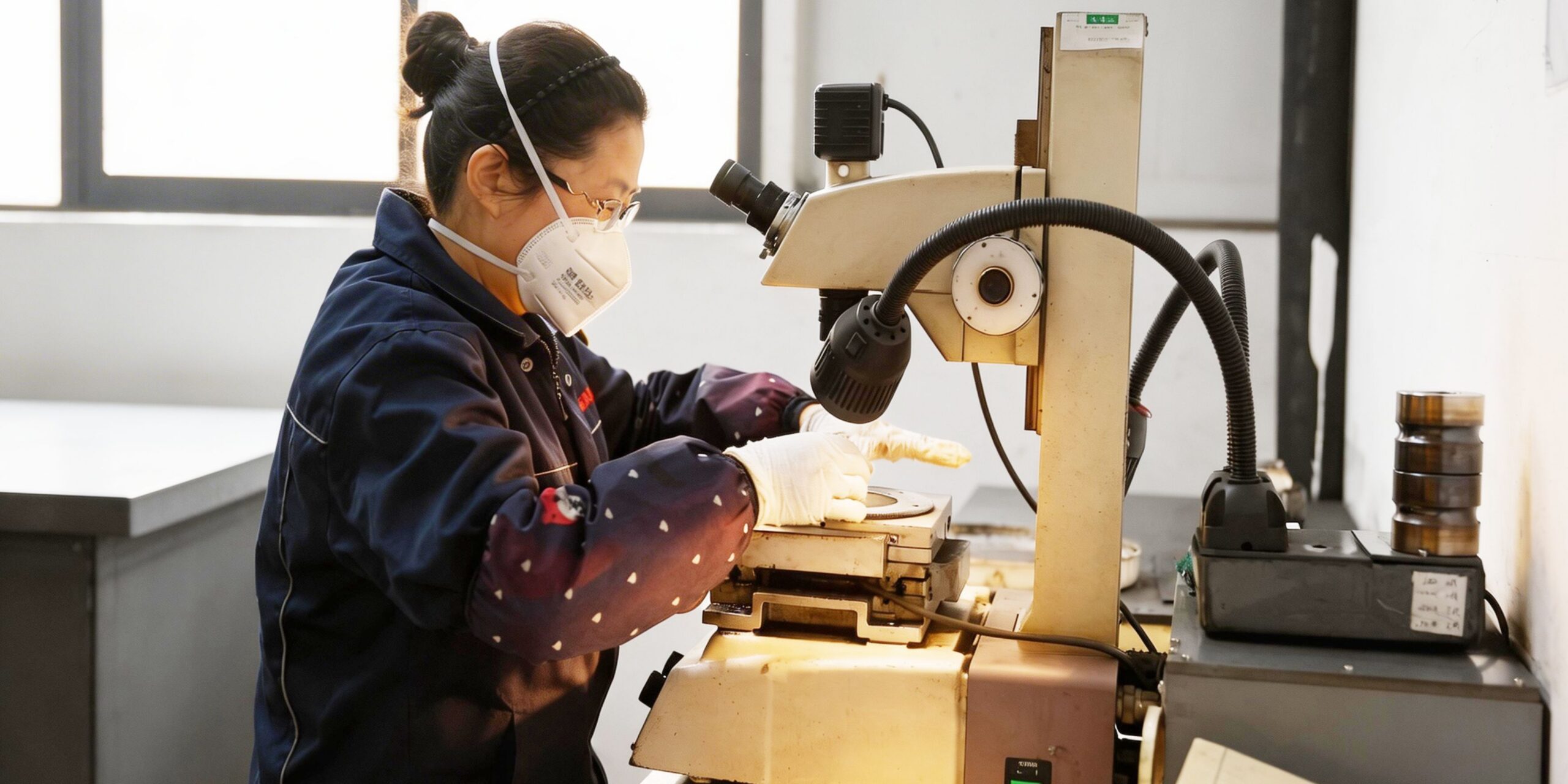
For you, this gives capacity, cycle behavior, and environmental suitability a more credible basis than attractive numbers printed on a label.
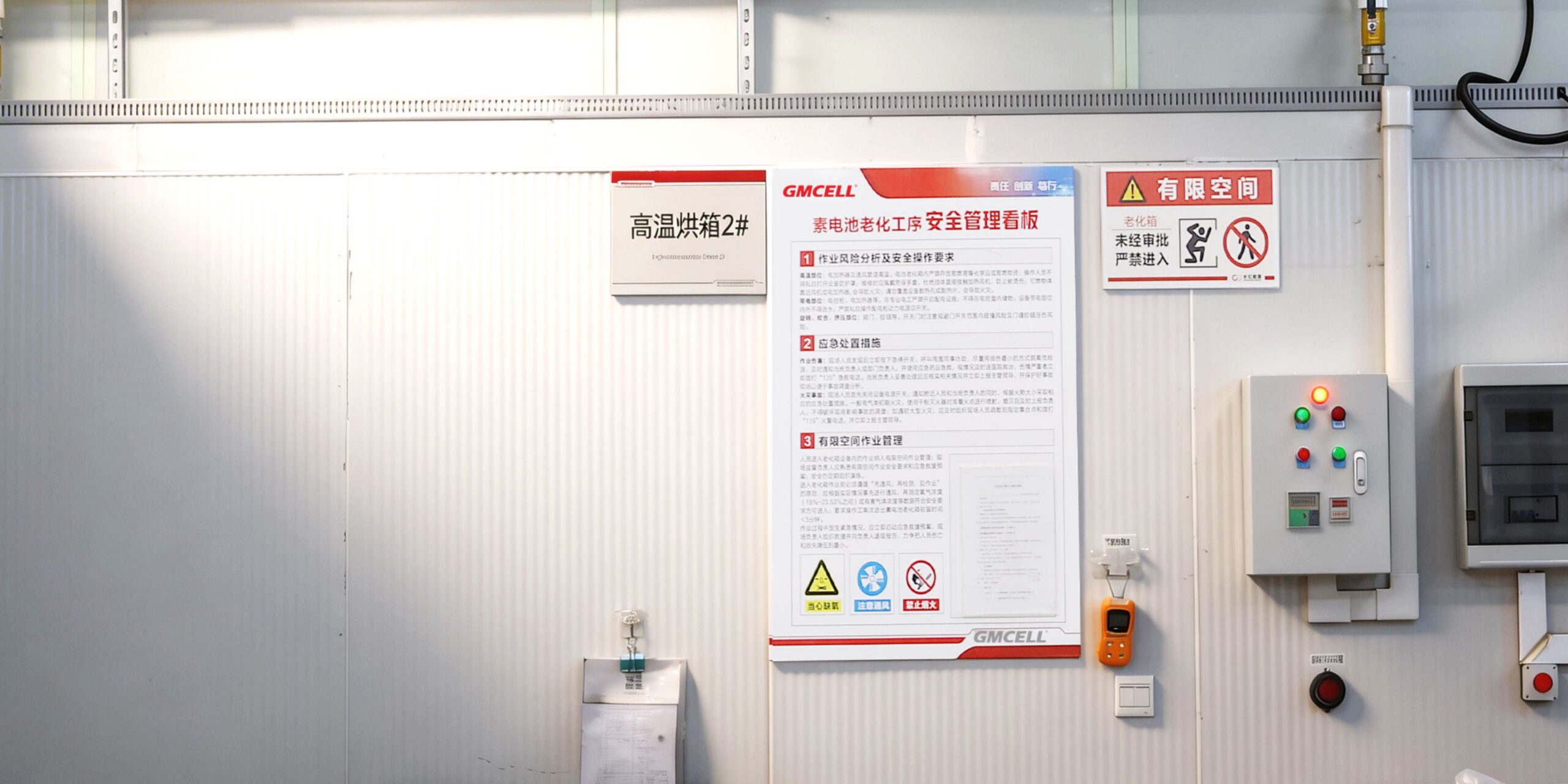
For you, this means abnormal or nonconforming items are less likely to be mixed with normal products and shipped as if nothing happened.
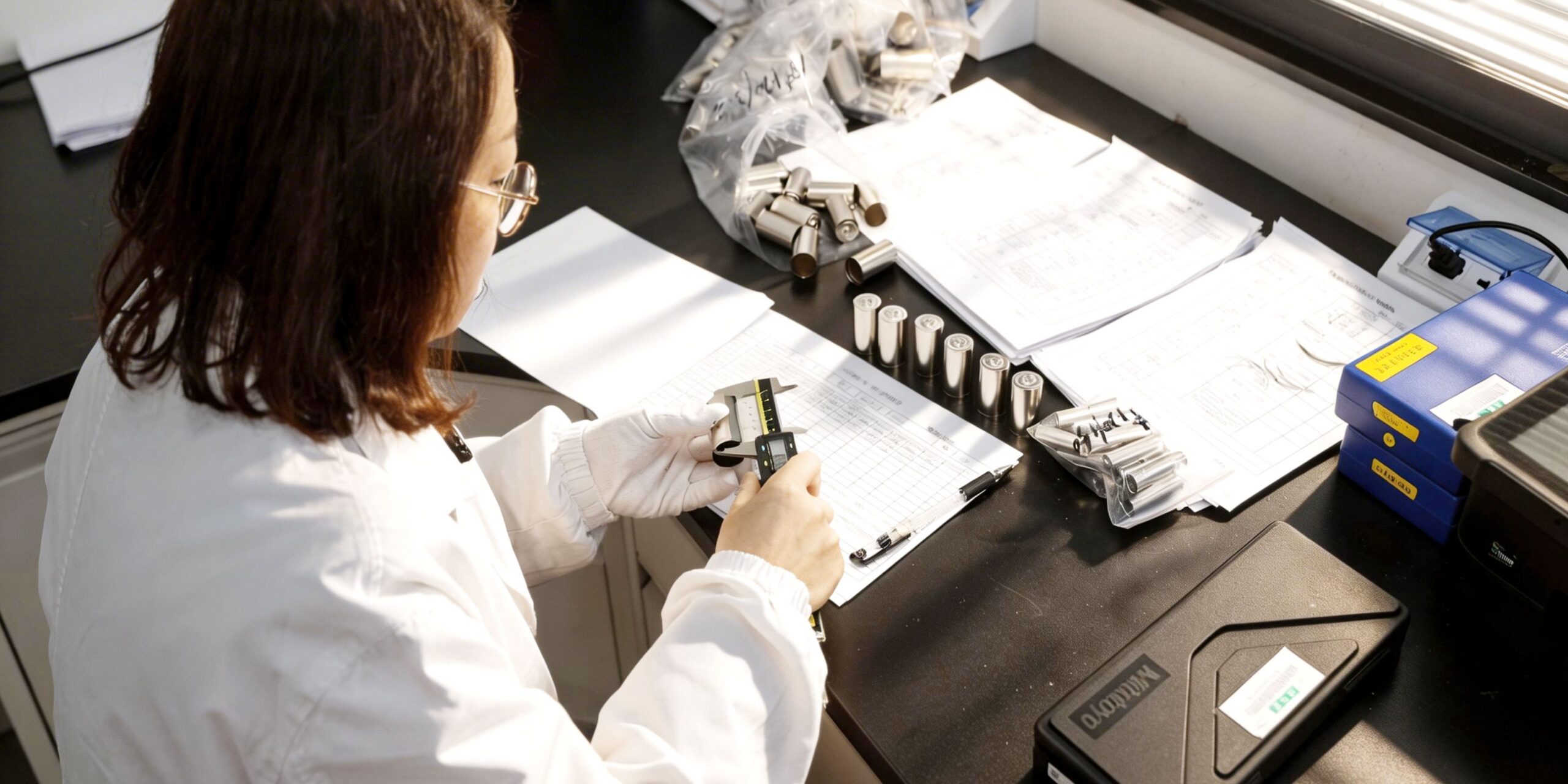
For you, clearer batch records and structure create a stronger basis for after-sales handling, traceability, repeat orders, and long-term cooperation.
What This Means for Your Supply Chain
For B2B sourcing, the value of factory control comes down to a few practical outcomes.
For repeat purchasing, stronger batch control and traceability provide a better basis for stable supply, issue review, and long-term sourcing decisions.
When specifications, packaging, or product requirements are customized, a controlled manufacturing and quality system provides a clearer foundation for consistency, accountability, and follow-up.
Ultimately, factory control matters only when you can feel the result:more consistent batches, more credible specifications, better traceability, and fewer avoidable pitfalls.
Need Quality Documents or a Battery Quote?
Tell us the battery type, target specifications, quantity, and customization requirements. We will confirm the applicable product information, available quality documents, and quotation details for your request.
Get a Quote