
Why GMCELL NiMH Battery Packs Are Widely Used in Embedded Applications
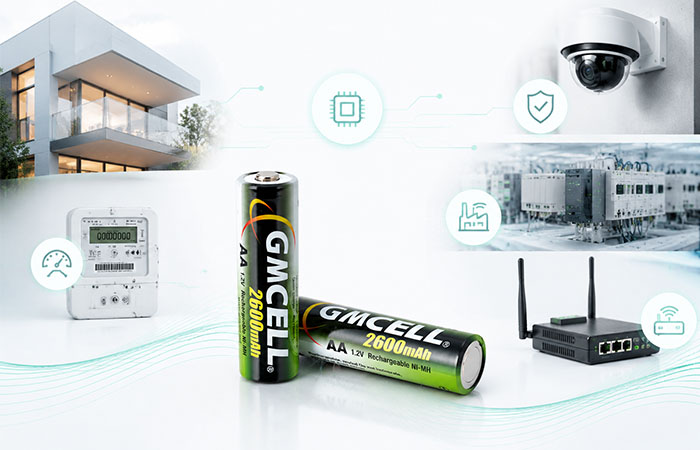
When people discuss modern battery technology, lithium-ion batteries often receive most of the attention. From smartphones and laptops to electric vehicles, lithium-based power systems have become the preferred choice for many consumer applications.
However, embedded systems are designed around very different priorities. Devices such as industrial controllers, smart meters, medical instruments, security systems, IoT gateways, and edge computing equipment often require reliable operation, stable performance, and long-term service life rather than simply the highest possible energy density.
This is why many engineers continue selecting NiMH battery packs for embedded applications where predictable power delivery and operational safety are critical. For companies developing long-life electronic products, choosing the right battery solution can directly influence system reliability, maintenance requirements, and customer experience.
With extensive experience in battery manufacturing and OEM solutions, GMCELL helps manufacturers build dependable power systems for embedded and industrial applications.
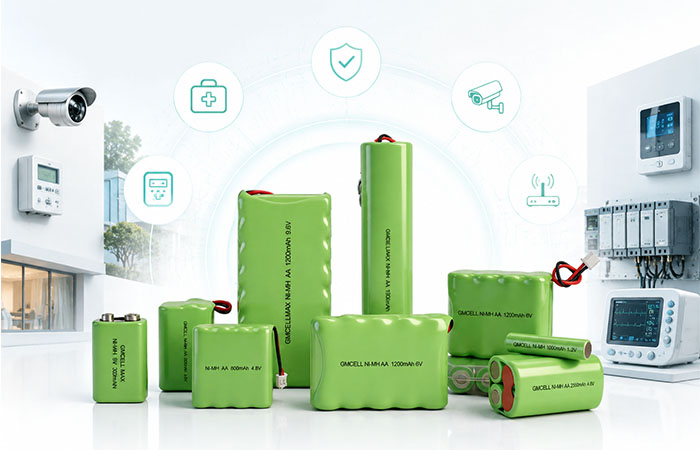
What Embedded Systems Actually Need From a Battery
Many people assume that batteries used in embedded devices serve the same purpose as those found in everyday consumer electronics.
However, the role of a battery in an embedded system is often very different. In many designs, the battery is not intended to continuously power the entire device. Instead, it supports critical functions that help the system remain reliable when external power is interrupted.
Common applications include:
- Real-time clock (RTC) backup for maintaining accurate system time
- Memory retention to protect important configuration data
- Configuration storage during unexpected power interruptions
- Event logging for industrial monitoring and control systems
- Safe shutdown procedures to protect sensitive equipment
- Communication support when primary power becomes unavailable
For these applications, battery reliability is often more important than achieving the highest possible capacity. Many engineers continue selecting NiMH Battery solutions because they provide a proven balance of stability, safety, and long-term performance.
Engineers designing long-life embedded products usually focus on predictable performance, stable operation, and service reliability over many years rather than simply selecting the battery with the highest energy density.
Why Many OEM Engineers Continue Choosing NiMH Battery Packs
Although lithium-ion technology has become popular across many industries, NiMH battery packs continue to provide practical advantages for engineers developing embedded and industrial systems.
Stable Voltage Characteristics
Many embedded devices require a stable power source to maintain consistent operation. NiMH cells provide a relatively predictable discharge profile throughout most of their operating cycle, helping reduce unexpected voltage variations that may affect sensitive electronic components.
This predictable behavior allows engineers to simplify power management design while improving overall system reliability.
Proven Safety Performance
Safety is one of the most important considerations in industrial and embedded applications.
With decades of practical use, NiMH batteries are recognized for their stable chemistry and reliable operating characteristics. For equipment designed to run unattended for years, this stability can help reduce operational risks.
Long Operational Life
Many embedded products are expected to remain operational for five, ten, or even fifteen years.
NiMH technology has demonstrated dependable performance across various industrial environments, helping reduce maintenance requirements and battery replacement frequency.
Lower System Complexity
Many embedded applications require simple and dependable power solutions.
Compared with some lithium-based solutions, NiMH battery packs can often be integrated with fewer design complications, making them suitable for cost-sensitive industrial projects.
Reliable Performance in Low Temperatures
Industrial equipment is often installed outdoors or in environments where temperature conditions can change significantly.
NiMH batteries can maintain useful discharge performance in colder environments, making them a reliable choice for outdoor monitoring systems, industrial sensors, and other applications exposed to challenging conditions.
Why Battery Pack Quality Matters More Than Battery Chemistry
When selecting a power solution for an embedded system, it is natural to focus on battery chemistry first. Engineers often compare different technologies based on voltage, capacity, and energy density.
However, real-world reliability depends on much more than the chemistry inside the cell. The quality of the battery pack design, manufacturing process, and assembly standards can directly influence long-term system performance.
A battery pack is not simply a group of connected cells. It is an integrated power component that must work reliably inside your final product.
Important factors that affect battery pack reliability include:
- Cell matching accuracy for consistent electrical performance
- Welding quality to ensure stable internal connections
- Connector reliability for secure integration with equipment
- Wire specifications suitable for application requirements
- Pack assembly consistency across production batches
- Quality control procedures to maintain manufacturing standards
This is why many industrial OEM customers prefer professionally manufactured NiMH Battery packs instead of assembling battery systems internally.
Consistent manufacturing processes can improve field reliability, reduce unexpected maintenance requirements, and help products deliver stable performance throughout their service life.
Common Embedded Applications That Use NiMH Battery Packs
NiMH battery packs continue to support a wide range of embedded applications where reliability, safety, and predictable operation are essential. From industrial automation to healthcare equipment, these systems often depend on backup power to maintain critical functions when the main power source is unavailable.
Industrial Automation Systems
Industrial controllers often rely on backup battery systems to preserve settings, maintain stored information, and support critical functions during power interruptions.
- PLC systems
- HMI terminals
- Industrial control panels
- Factory automation equipment
Smart Metering Infrastructure
Smart utility systems frequently require reliable backup power to support memory retention, communication functions, and accurate data management.
- Electricity meters
- Water meters
- Gas meters
- Remote monitoring units
Medical Electronics
Medical equipment requires dependable operation because unexpected power interruptions can affect critical monitoring and data collection functions.
- Patient monitoring systems
- Portable diagnostic equipment
- Healthcare data collection devices
Security and Access Control Systems
Security systems often need backup power to maintain essential functions during outages and ensure continuous protection.
- Alarm systems
- Access controllers
- Surveillance support systems
- Emergency communication devices
Edge Computing and IoT Devices
As industrial IoT deployments continue expanding, reliable backup power has become increasingly important for connected devices operating in remote or unattended environments.
- IoT gateways
- Edge controllers
- Environmental monitoring systems
- Remote industrial sensors
Why Long-Term Supply Stability Matters For OEM Projects
When choosing a battery supplier, technical specifications are only one part of the decision. For OEM manufacturers, the ability to maintain consistent quality and reliable supply over many years can be just as important as battery performance itself.
Embedded products are often designed for long service cycles. A supplier change or inconsistent battery quality can create unnecessary challenges during production, maintenance, and product support.
When evaluating a battery partner, OEM teams usually consider:
- Product consistency across different production batches
- Manufacturing capability to support customized requirements
- Technical support during design and integration stages
- Certification compliance for different markets and applications
- Supply chain stability for long-term product availability
This is why many embedded device manufacturers prefer building long-term relationships with experienced battery manufacturers instead of selecting suppliers based only on initial price.
A reliable partnership helps ensure stable production, predictable product quality, and better support throughout the entire product lifecycle.
NiMH Battery vs Lithium-Ion for Embedded Applications
There is no single battery technology that is perfect for every embedded application. The right choice depends on the operating environment, system requirements, maintenance expectations, and product lifecycle.
Lithium-ion batteries are widely used in applications where high energy density and lightweight design are the highest priorities. They are often selected for portable electronics and applications where space and weight limitations are critical.
However, many embedded systems prioritize different factors:
- Safety for unattended and long-term operation
- Predictable voltage behavior for sensitive electronic systems
- Long service life to reduce maintenance requirements
- Easier maintenance for industrial environments
- Lower system complexity during integration
For these reasons, NiMH technology remains a practical choice for many industrial and embedded designs where reliability and long-term performance are more important than maximum energy density.
When evaluating different battery options, engineers should always consider the actual application requirements rather than choosing a chemistry based only on popularity.
For a detailed technical comparison, you can explore this guide on nimh battery vs lithium ion and understand which battery technology better matches your project requirements.
The Future of Embedded Power Systems
Embedded technology continues to evolve as industries adopt more industrial automation systems, connected devices, IoT infrastructure, and edge computing solutions.
As these technologies become more integrated into daily operations, the demand for dependable power solutions continues to increase. Devices operating in remote locations or critical environments require batteries that can deliver stable performance throughout their service life.
While lithium-based technologies will continue expanding in many industries, NiMH battery packs will remain an important solution for applications where:
- Reliability is more important than maximum energy density
- Safety is essential for long-term unattended operation
- Predictable performance is required for sensitive electronics
- Long-term serviceability reduces maintenance challenges
For many OEM manufacturers, the goal is not simply selecting the battery with the highest capacity.
The real goal is ensuring dependable operation throughout the entire product lifecycle.
Conclusion
The continued use of NiMH battery packs in embedded systems is not because the technology has been left behind. Instead, it reflects the unique requirements of industrial and commercial products that need reliable performance over many years.
When designing embedded systems, engineers often need to balance multiple factors, including safety, consistency, maintenance requirements, and long-term availability. In many cases, these priorities are more important than simply achieving the highest possible energy density.
From:
- Industrial controllers
- Smart meters
- Medical electronics
- Edge computing equipment
- IoT monitoring devices
NiMH technology continues to provide practical advantages that align closely with the needs of modern embedded system designers.
As industries continue moving toward smarter and more connected products, dependable battery solutions will remain an essential foundation for building reliable technology for the future.
Frequently Asked Questions About NiMH Battery Packs in Embedded Applications
Choosing the right battery solution for an embedded system often requires understanding more than capacity and voltage. These answers cover common questions engineers and OEM teams consider when evaluating NiMH battery packs for long-term applications.
Why are NiMH battery packs still used in embedded systems?
Many embedded devices prioritize reliability, safety, predictable voltage behavior, and long-term serviceability over maximum energy density. NiMH battery packs remain a practical choice for applications where stable operation is more important than achieving the highest possible capacity.
Are NiMH batteries safer than lithium-ion batteries?
NiMH batteries are widely recognized for their stable chemistry and long history of safe operation in industrial and commercial applications. For unattended equipment and long-life embedded products, this predictable behavior can help reduce operational risks.
What embedded devices commonly use NiMH battery packs?
A wide range of embedded systems use NiMH battery packs, including industrial controllers, smart meters, medical devices, security systems, IoT gateways, and edge computing equipment.
Why is battery stability important in embedded applications?
Stable battery performance helps protect system reliability, preserve stored information, and maintain predictable operation during power interruptions. This is especially important for industrial automation, monitoring systems, and control equipment.
What is cell matching in a battery pack?
Cell matching is the process of selecting cells with similar electrical characteristics to improve battery pack consistency, performance, and lifespan. Proper matching helps ensure more reliable operation across the entire pack.
Do embedded systems always require lithium-ion batteries?
No. Different embedded applications have different requirements. Many systems continue using NiMH batteries because their priorities focus on safety, stability, and long service life rather than lightweight design alone.
How long do NiMH battery packs typically last?
Depending on operating conditions, charging methods, and maintenance practices, NiMH battery packs can provide hundreds to thousands of charge cycles over many years. Actual lifespan depends on the specific application environment.
What factors should OEMs consider when selecting a battery supplier?
OEM teams should evaluate more than pricing. Important factors include product quality, manufacturing consistency, certification support, technical capability, and long-term supply stability.