
Why Battery Reliability Matters Beyond Smartphones in the Age of Smart Devices
Smartphones are usually the first devices people associate with battery problems. A low battery may interrupt communication, entertainment, or daily activities, but in today’s connected world, battery reliability has become much more critical than simply keeping a phone powered.
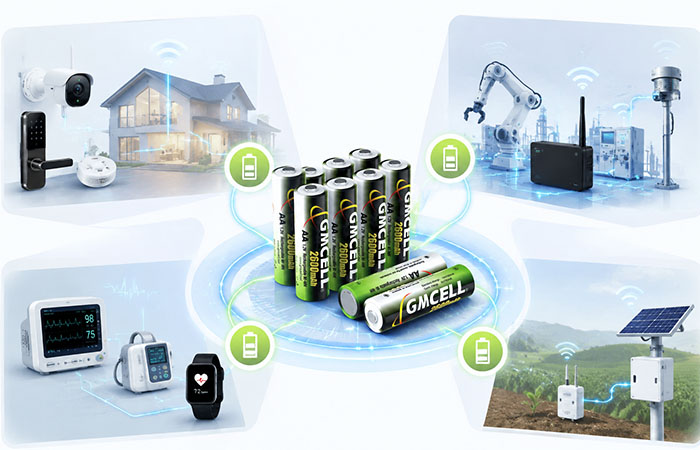
Behind modern smart devices, batteries support systems that monitor homes, collect industrial data, maintain healthcare operations, and keep connected systems operating continuously.
When a battery fails in these environments, the impact can go far beyond inconvenience. A power interruption may result in security gaps, operational downtime, lost data, or reduced device performance. As smart technology continues expanding, reliable battery solutions are becoming a fundamental part of device design and long-term system stability.
Why Battery Reliability Is Becoming More Important in Smart Technology
In the past, many electronic devices were designed around short-term use. Users could manually recharge or replace batteries whenever power was running low. Today, the situation has changed dramatically.
Modern smart devices are designed to operate continuously with minimal human intervention. From wireless sensors to intelligent controllers, connected equipment depends on stable power delivery to maintain communication, collect data, and perform important functions without interruption.
As more devices become always connected, support remote operation, and require long-term deployment, battery performance has become a key factor affecting overall system reliability.
Battery performance is no longer measured only by capacity. Factors such as voltage stability, cycle life, safety, and predictable discharge behavior are equally important when selecting power solutions for modern applications.
For applications that require dependable rechargeable power, Ni-MH Rechargeable Batteries continue to be considered for their stable performance, reliable cycling characteristics, and proven operation across many electronic applications.
Smart Home and Security Systems Depend on Reliable Battery Power
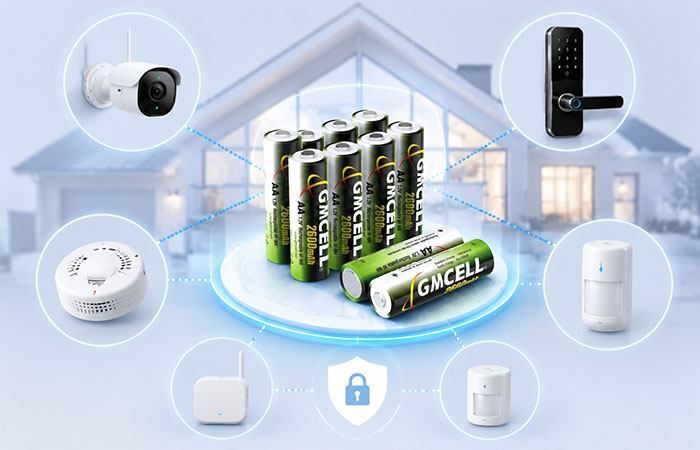
Smart home technology has changed the way people interact with their living spaces. Devices such as smart locks, wireless cameras, smoke detectors, and security sensors are designed to provide protection and convenience without requiring constant manual operation.
However, these smart home devices depend heavily on reliable power. A depleted smart lock battery is not simply an inconvenience—it may prevent access when needed. A security camera without power may stop recording important events, while a smoke detector with unreliable energy supply may fail during an emergency.
This is why battery-powered systems require more than basic energy storage. They need predictable performance, stable output, and dependable operation throughout their service life.
As connected home ecosystems continue expanding, reliable battery solutions help ensure that important devices remain available exactly when users need them most.
Battery Reliability Challenges in Industrial IoT Applications
As industries become more connected, Industrial IoT systems are being deployed across factories, infrastructure, and remote environments where continuous operation is essential.
These systems often include thousands of connected devices, such as industrial sensors, monitoring equipment, automation components, and intelligent controllers. Unlike consumer devices, many of these systems operate in locations where frequent maintenance is difficult, expensive, or disruptive.
The challenge is not simply replacing a battery when it runs out. In industrial environments, a battery failure can require additional labor, transportation, scheduled maintenance, and even temporary system shutdowns.
Unexpected battery replacement may lead to:
- Additional maintenance labor requirements
- Transportation and service costs
- System downtime and operational interruptions
- Complex maintenance planning for remote equipment
For this reason, selecting reliable battery solutions has become an important part of industrial system design. Stable voltage output, predictable discharge performance, and long service life help manufacturers improve equipment availability and reduce unnecessary maintenance.
For applications such as industrial controllers and backup systems, solutions like 9V NiMH Battery can provide dependable rechargeable power for devices that require consistent operation over extended periods.
Reliable Batteries Support Connected Healthcare Devices
Healthcare technology is becoming increasingly connected, with more devices relying on continuous monitoring, data collection, and stable communication. In these applications, reliable power is essential for maintaining consistent operation.
Portable medical equipment, monitoring devices, and diagnostic systems often need dependable energy sources because unexpected shutdowns can interrupt important measurements, delay data collection, or affect daily workflows.
For manufacturers developing medical devices, battery selection involves more than choosing sufficient capacity. Factors such as safety, stable voltage output, predictable performance, and long-term reliability are critical for creating products users can trust.
A well-designed stable power supply helps connected healthcare equipment maintain availability while improving user confidence in everyday operation.
Why Battery Monitoring and Testing Matter for Smart Devices
Reliable battery performance is not determined only by battery chemistry. For modern connected applications, long-term reliability also depends on how batteries are designed, tested, managed, and integrated into the final device.
Factors such as cell quality, charging control, discharge characteristics, and application requirements all influence how a battery performs throughout its service life.
As more devices become connected and operate remotely, manufacturers are increasingly using battery monitoring technologies to better understand battery conditions and improve system reliability.
Modern battery monitoring systems help evaluate:
- State of charge to understand available energy levels
- Battery health to estimate long-term performance
- Remaining service life to support predictive maintenance
By combining proper testing methods with intelligent power management, manufacturers can improve device availability and reduce unexpected failures in smart devices, IoT equipment, and industrial systems.
Choosing the Right Battery Technology for Smart Applications
There is no single battery technology that is perfect for every smart application. The right choice depends on factors such as operating environment, power requirements, expected service life, and device design.
Instead of replacing one technology with another, engineers usually select battery solutions based on specific application needs.
| Application Requirement | Suitable Technology |
|---|---|
| High energy density requirements | Lithium-ion batteries |
| Stable operation and reliable cycling | NiMH battery technology |
| Long-term standby applications | Primary lithium solutions |
| Customized device requirements | Customized battery packs |
For applications that prioritize predictable performance, safety, and long operating life, NiMH battery technology remains a reliable choice across many electronic and industrial applications.
The most effective battery strategy is not choosing the newest technology, but selecting the solution that best matches the device’s real operating requirements.
The Future of Battery Reliability in the Smart Device Era
As smart technology continues expanding, reliable power systems are becoming increasingly important. The growth of connected devices, automation, and intelligent infrastructure means more equipment now depends on continuous and predictable energy delivery.
From IoT devices deployed in remote environments to automated systems operating around the clock, future technologies will require battery solutions that can provide consistent performance throughout their expected service life.
The next generation of smart devices will place greater emphasis on battery characteristics beyond basic capacity. Manufacturers will increasingly consider factors such as reliability, safety, efficiency, and application compatibility when designing connected products.
Future battery solutions will need to support:
- Longer service life to reduce maintenance requirements
- Safer operation for connected devices and critical applications
- Predictable performance under different operating conditions
- Application-specific designs that match different device requirements
As smart infrastructure and connected technology continue evolving, battery reliability will remain a key factor in creating devices that users and businesses can depend on.
Building More Reliable Smart Technology Through Better Battery Solutions
Reliable battery solutions are becoming an essential foundation for modern smart technology. As devices become more connected and operate in increasingly complex environments, dependable power is no longer an optional feature—it is a core part of product reliability.
From consumer electronics to industrial applications, choosing the right battery technology helps manufacturers build devices that perform consistently throughout their service life.
With experience in rechargeable battery solutions, GMCELL supports different applications requiring stable performance, reliable energy delivery, and customized battery designs for modern connected systems.
Frequently Asked Questions About Battery Reliability in Smart Devices
Why is battery reliability important for smart devices?
Battery reliability ensures smart devices can operate continuously without unexpected shutdowns, data loss, or service interruptions. Reliable power helps connected equipment maintain stable performance throughout its expected service life.
Why are smart devices more dependent on battery reliability today?
Many modern devices operate remotely or continuously, making stable and predictable power essential for long-term performance. As more connected systems become part of daily life, battery reliability has become a key factor in device availability.
What happens when batteries fail in IoT devices?
Battery failure can interrupt communication, stop data collection, increase maintenance costs, and reduce overall system reliability. This is especially important for IoT devices installed in remote or difficult-to-access locations.
How does battery reliability affect industrial IoT systems?
Reliable batteries help reduce downtime and maintenance requirements for remote sensors, controllers, and monitoring equipment. In industrial IoT systems, stable power is essential for continuous operation and efficient maintenance planning.
Are NiMH batteries suitable for smart devices?
Yes. NiMH batteries are suitable for applications requiring stable voltage, reliable cycling performance, and long service life. They are commonly used where predictable operation and rechargeable performance are important.
Why is battery testing important before deployment?
Battery testing helps verify capacity, discharge behavior, safety, and compatibility with specific device requirements. Proper testing allows manufacturers to identify potential performance issues before products are deployed.
What factors should manufacturers consider when selecting batteries?
Manufacturers should evaluate voltage requirements, capacity, operating environment, cycle life, safety, and application conditions. The best battery solution depends on the specific needs of the device rather than a single technology choice.