
Why Does My Charger Stop Charging Too Early?
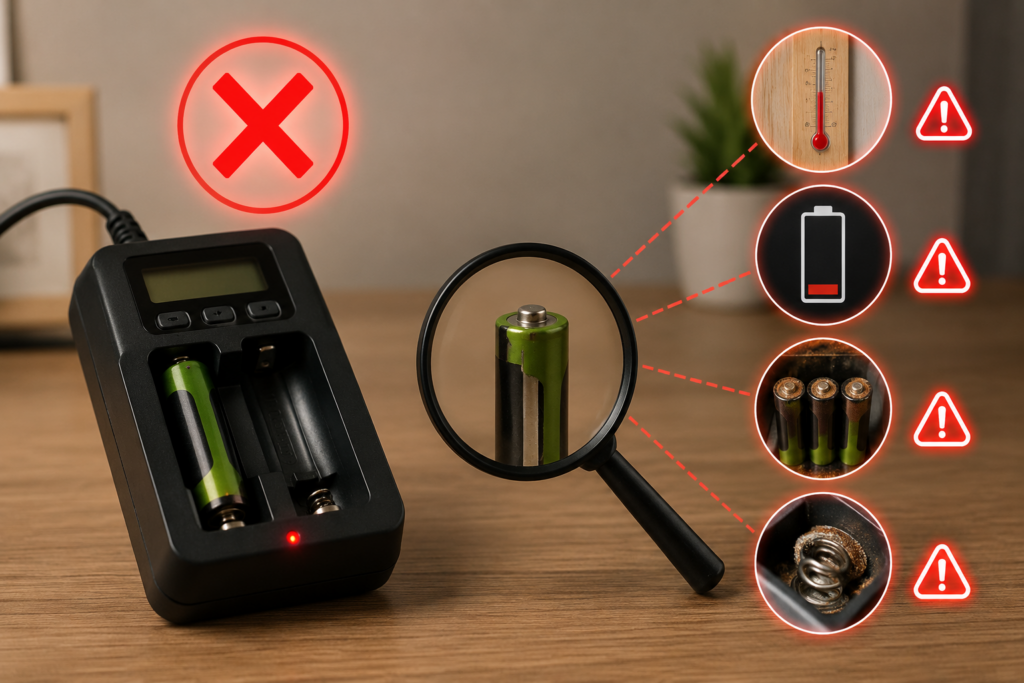
If your charger stops too early, it does not always mean the charger is broken. A smart charger may stop because it detects overheating,
Are Cheap NiMH Batteries Actually Worth Buying?
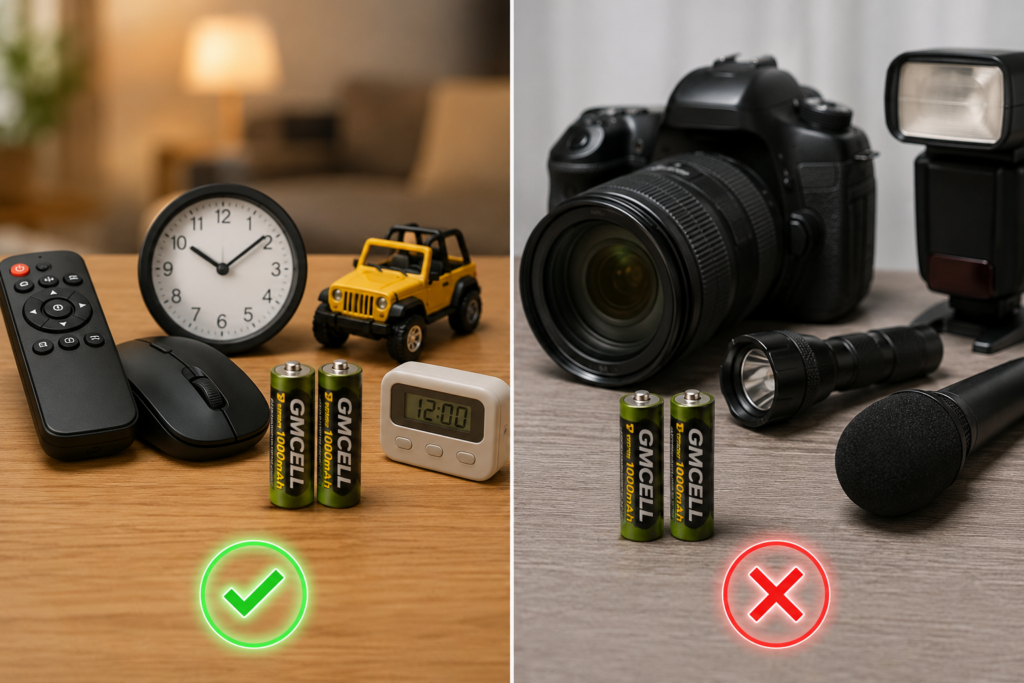
Cheap NiMH Rechargeable Batteries can be worth buying when you use them in low-drain devices like remotes, clocks, toys, or wireless mice.
How Should NiMH Batteries Be Stored?
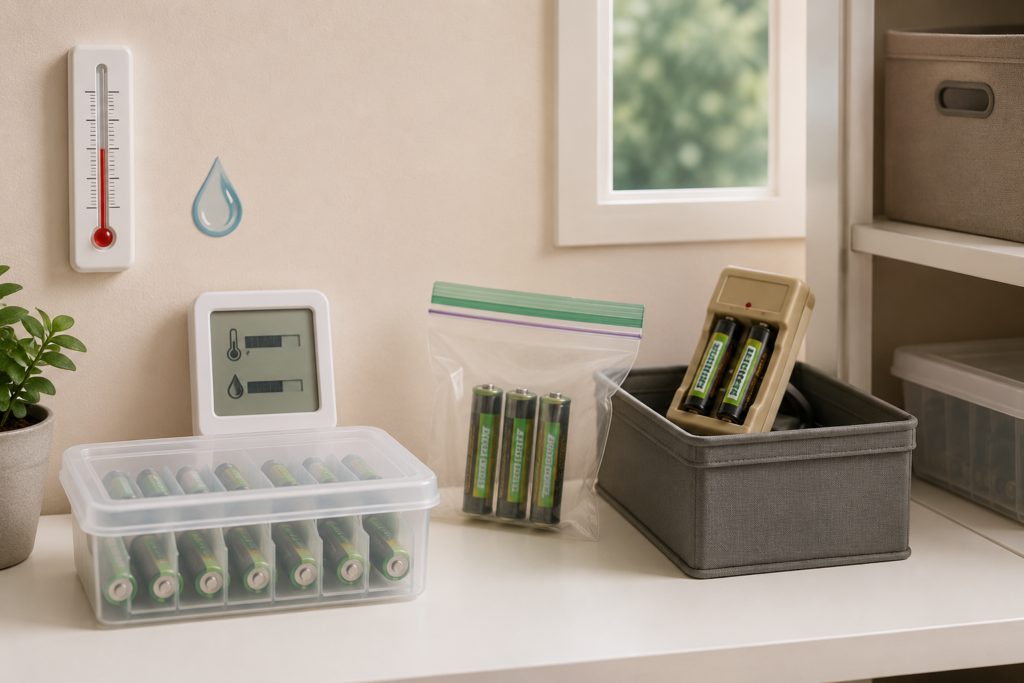
Proper storage helps reduce self-discharge, prevent leakage, and protect long-term capacity in everything from emergency flashlights to seasonal equipment.
Do NiMH Batteries Have Memory Effect?
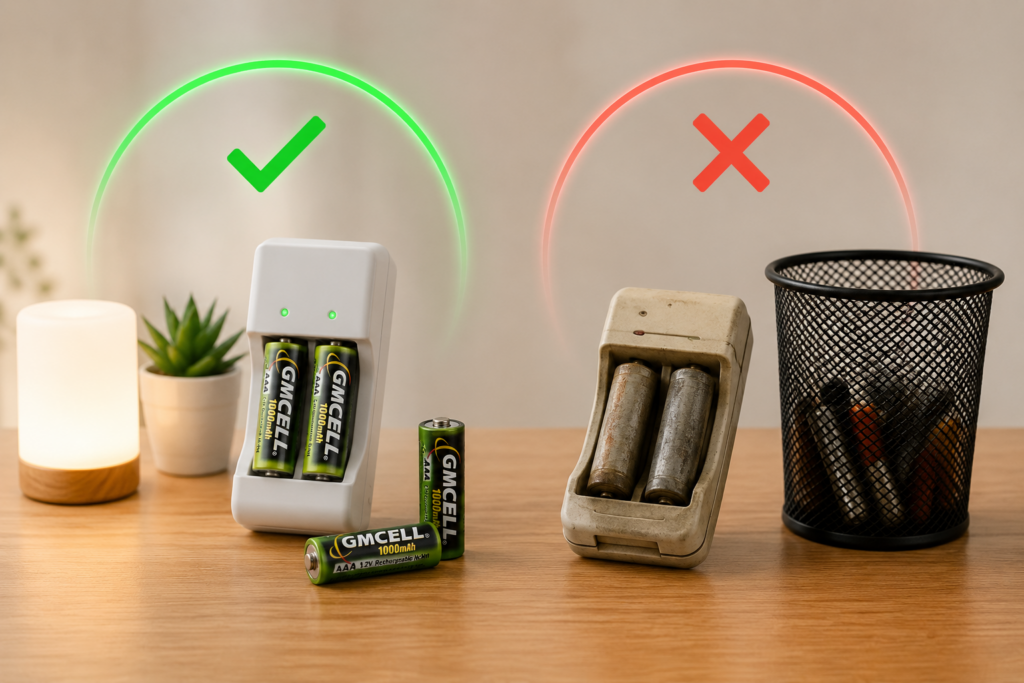
Modern NiMH Rechargeable Batteries do not suffer from the severe memory effect commonly associated with older NiCd batteries.
Real D NiMH Cells vs Adapter-Style D Batteries
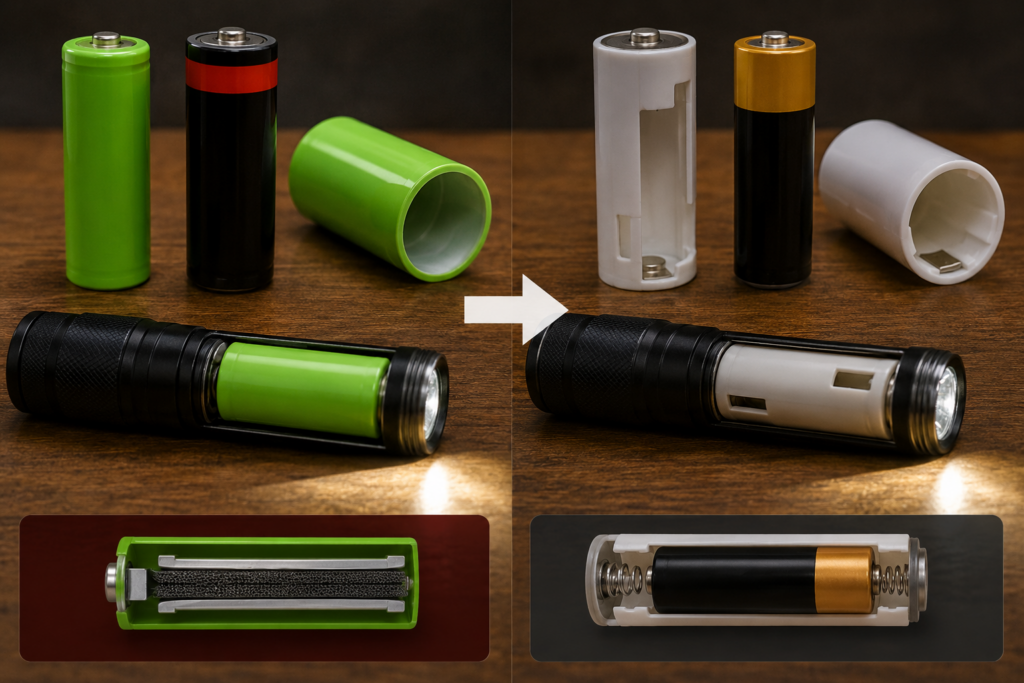
If two batteries both look like D size on the outside, they can still perform very differently inside your device.
Can AA-to-D Adapters Replace Real D NiMH Batteries?
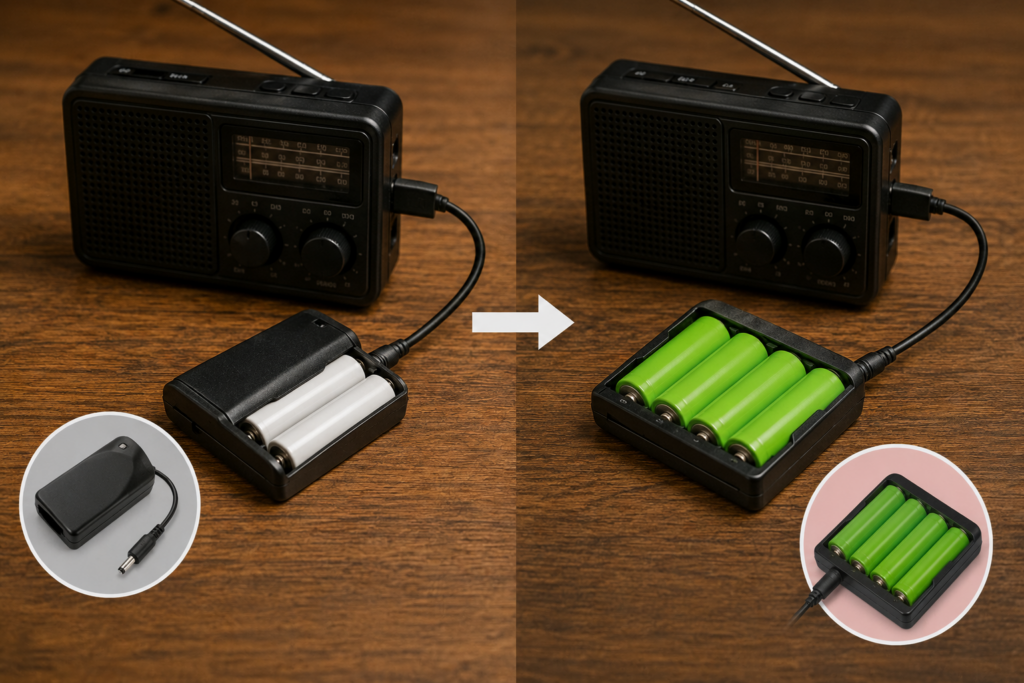
AA-to-D adapters can temporarily replace real nimh d battery setups in low-drain devices like remote controls, small radios, and emergency flashlights.
Can Old D NiMH Batteries Still Be Safe After 20 Years?
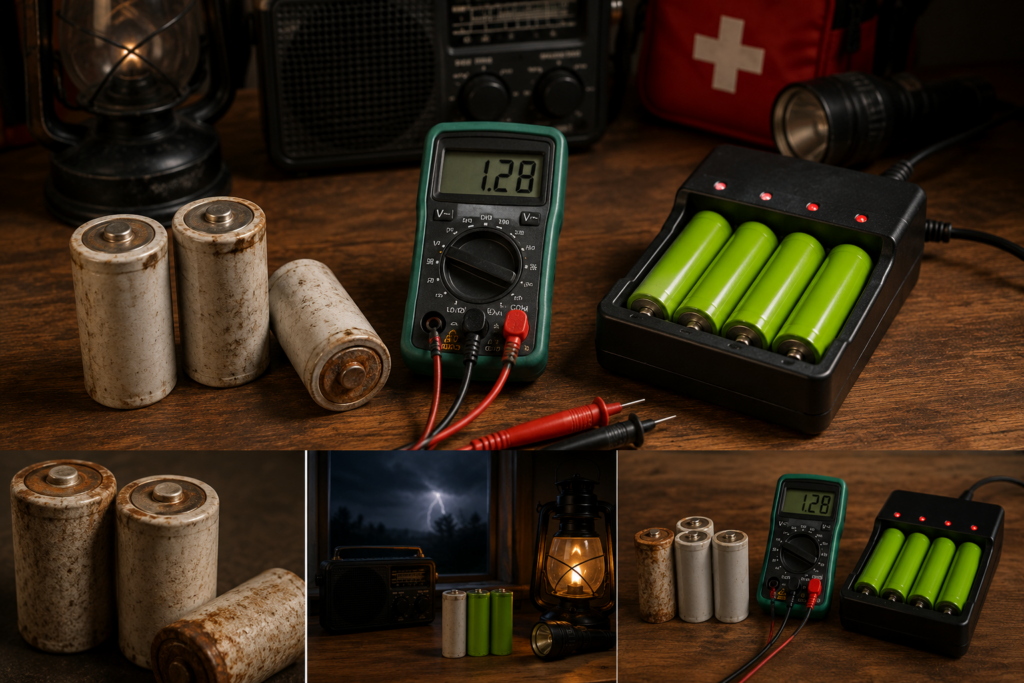
Old nimh rechargeable d batteries are usually not dangerous even after 10–20 years, but age can sharply reduce capacity and raise internal resistance.
Are D NiMH Batteries Good for Prepper or Blackout Kits?
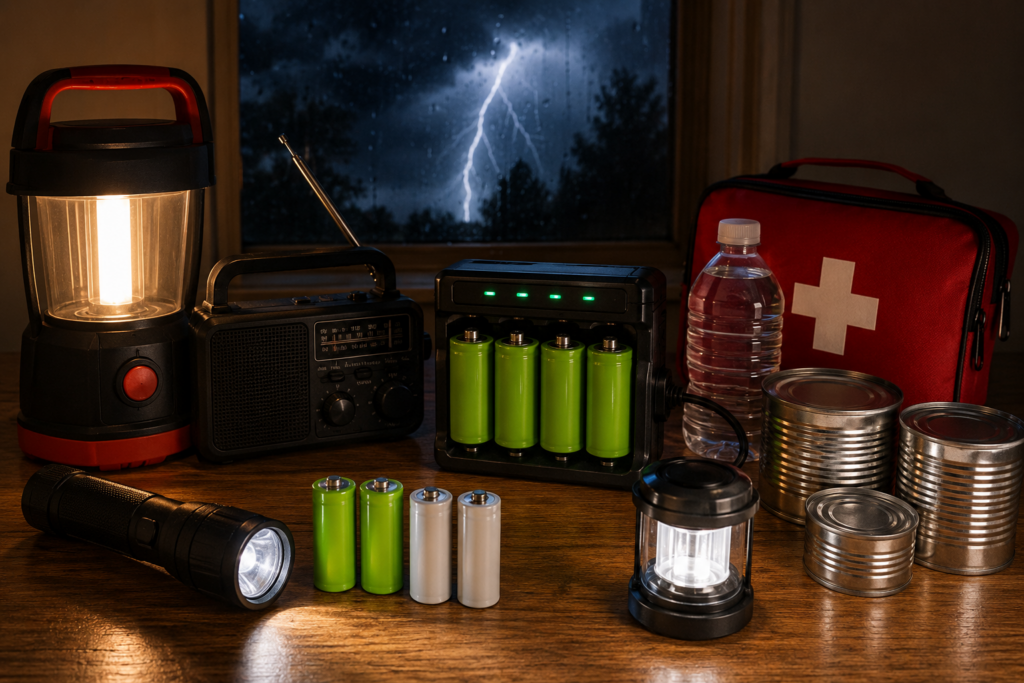
Yes, rechargeable d cell nimh batteries can be a smart choice if your area has repeated outages, storms, or seasonal blackouts.
How Do You Properly Charge D NiMH Batteries?
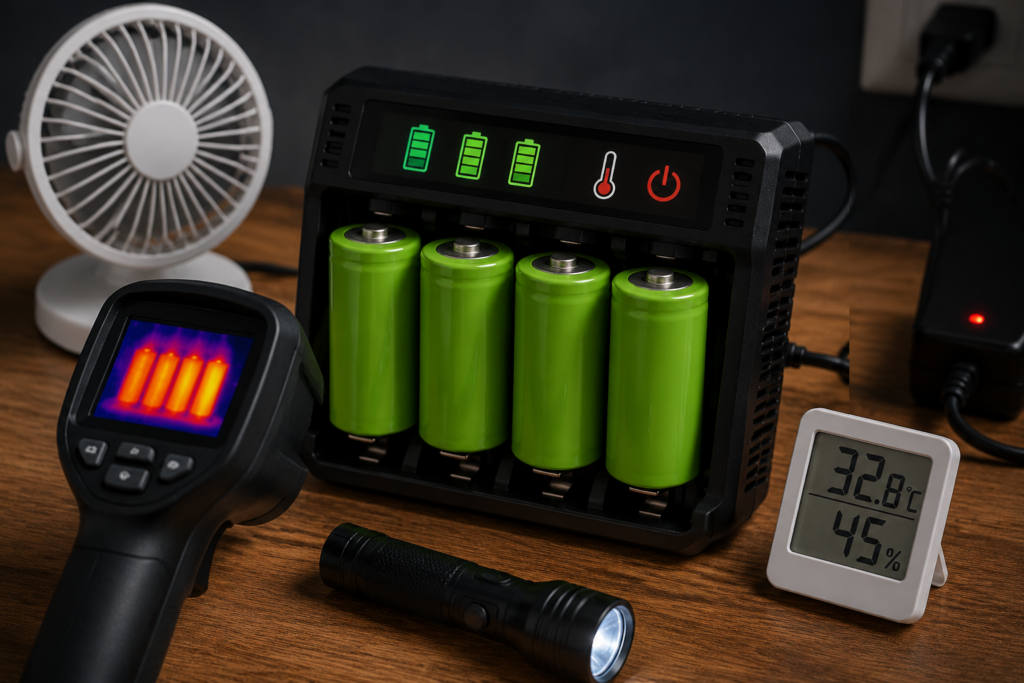
NiMH rechargeable D batteries should be charged with a smart charger made for NiMH chemistry.
What Devices Still Use D Batteries Today?
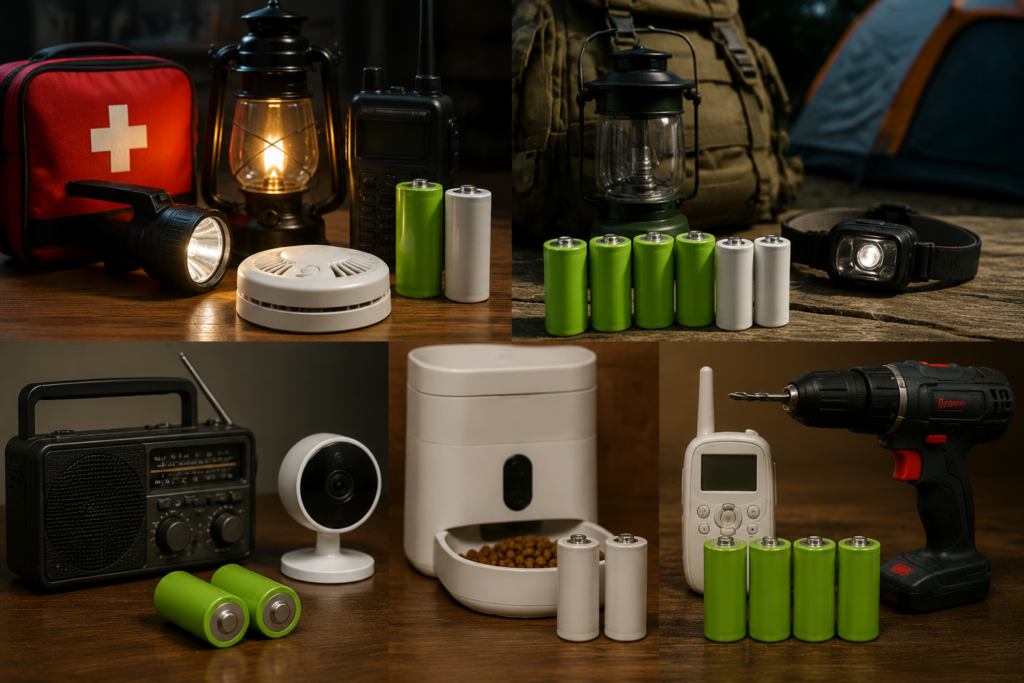
D batteries are still widely used in emergency equipment, outdoor gear, commercial devices, and larger portable electronics that need longer runtime instead of the smallest battery size.