
How Modern Battery Manufacturing Is Shifting Toward Quality-First Production Models
The global battery manufacturing industry is undergoing a structural transformation. Over the past decade, competition has shifted away from production scale and cost efficiency toward quality consistency, reliability, and long-term performance stability.
This shift is driven by increasing requirements from industrial systems, consumer electronics, medical devices, and energy storage applications, where performance failure is no longer acceptable in real-world deployment environments.
Why the Industry Is Moving Toward Quality-First Manufacturing
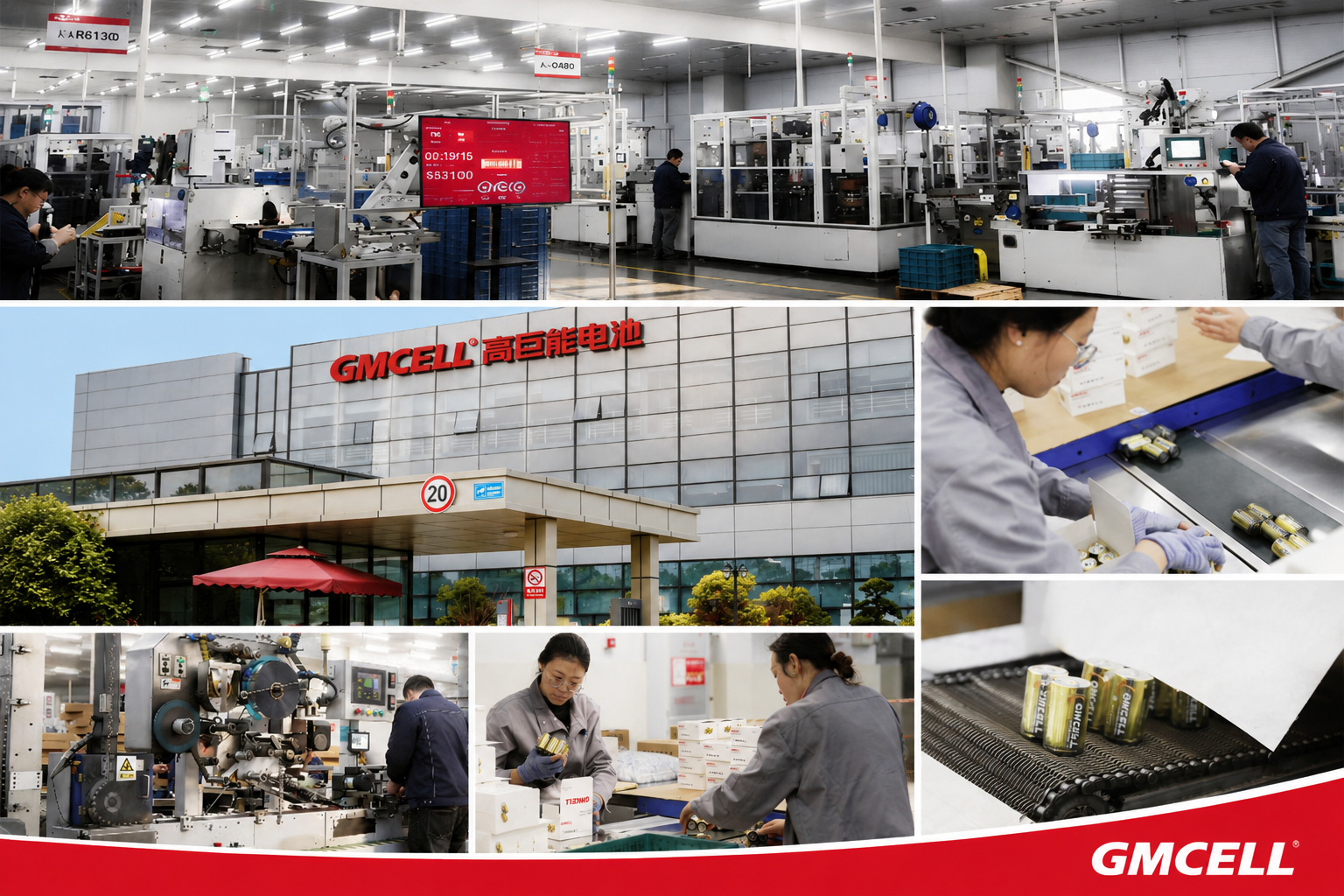
Several key factors are driving the shift toward quality-first battery manufacturing models. Across global markets, manufacturers are under increasing pressure to deliver stable performance, higher reliability, and long-term lifecycle consistency.
One of the most important drivers is the rising demand for reliable energy systems in industrial and consumer applications, where performance stability is critical for operational safety and product reliability.
At the same time, international compliance requirements and supply chain transparency standards are becoming more strict across global procurement systems.

From Mass Production to Quality-First Manufacturing Systems
Traditionally, battery manufacturing focused heavily on production scale and cost efficiency. However, this approach is no longer sufficient for modern industrial and consumer requirements.
Modern manufacturing systems are shifting toward controlled production environments that prioritize consistency, traceability, and engineering-driven quality assurance.
Key transformations in the industry include structured process control, automated inspection systems, and material-level traceability across the supply chain.
- Process-controlled manufacturing systems
- Batch-to-batch consistency monitoring
- Automated quality inspection systems
- Material traceability and documentation
This transition represents a structural shift from volume-driven production models to engineering-led quality systems.

Quality Control as a Core Manufacturing Standard
Quality control in modern battery manufacturing is no longer treated as a final inspection step. Instead, it has become an integrated part of the entire production lifecycle, embedded into every stage from raw material selection to final assembly.
In today’s manufacturing environment, suppliers are evaluated based on measurable performance indicators rather than visual inspection alone. These include failure rate under real operating conditions, stability across production batches, compliance with international certification systems, and long-term cycle reliability.
As global procurement standards continue to evolve, quality control has become a primary decision factor in supplier selection, especially for industrial and OEM applications where product reliability directly affects system performance.
Learn more about Battery Quality Control systems used in modern production environments.
Increasing Complexity of Battery Application Scenarios
Battery applications have become significantly more diverse in recent years, driven by rapid growth in smart technologies, industrial automation, and energy storage systems.
Modern energy storage solutions are now widely used in smart home systems, medical electronics, industrial IoT devices, large-scale energy storage systems, and AI-powered hardware platforms. Each of these applications places different demands on battery performance.
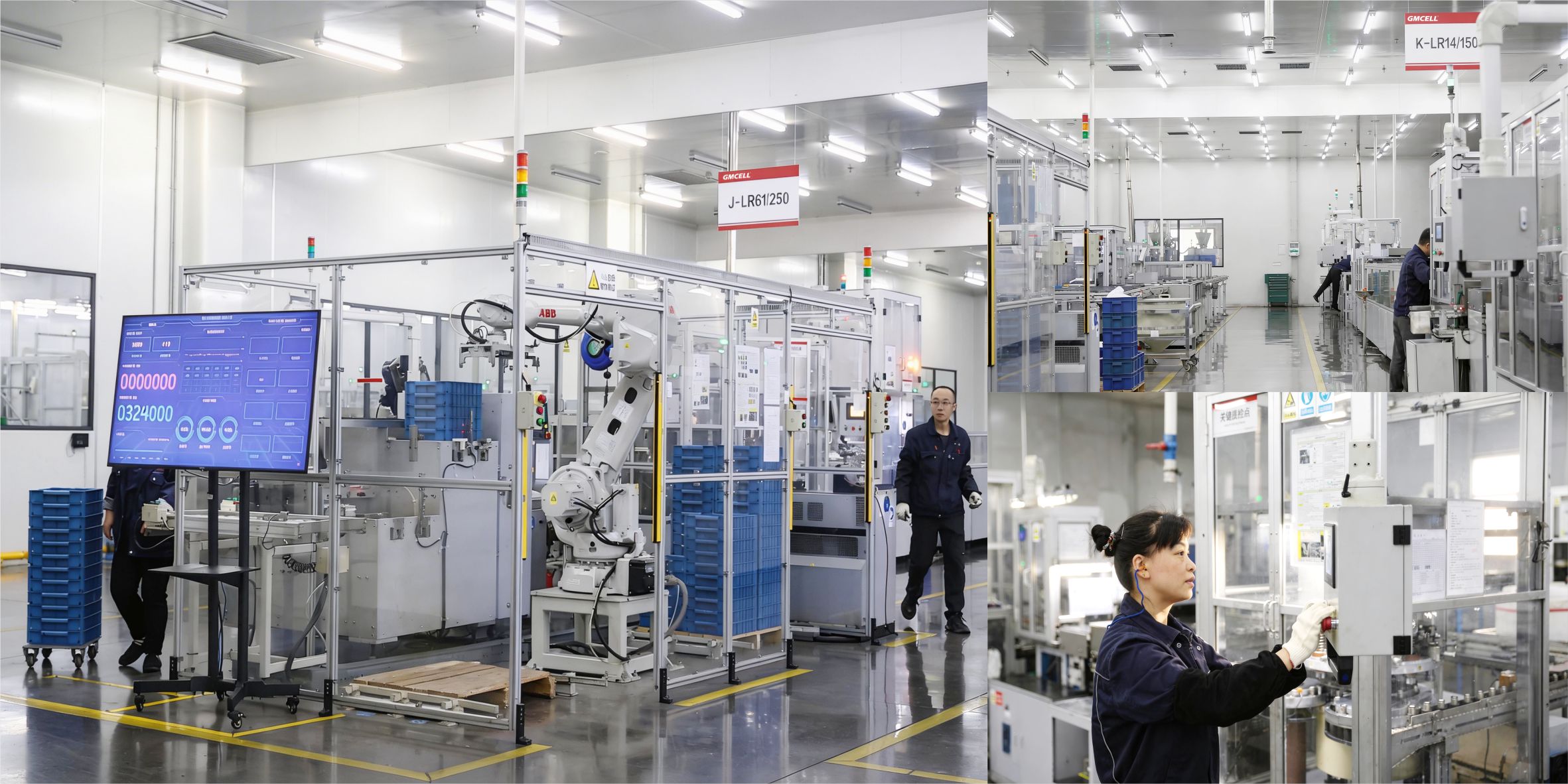
As a result, standardized production approaches are becoming less effective. Manufacturers must now design flexible production systems capable of meeting different voltage, capacity, discharge rate, and lifecycle requirements across multiple industries.
Supply Chain Transparency and Buyer Expectations
Modern buyers are no longer focused solely on product specifications. Instead, they evaluate suppliers based on overall manufacturing transparency and supply chain reliability.
In global procurement, decision-makers increasingly prioritize manufacturing transparency, testing documentation, production traceability, and long-term supply stability.
This shift has significantly increased the importance of verified manufacturing systems in industrial battery sourcing.
Buyers now expect consistent quality control systems and transparent production processes across all manufacturing stages.
Future Trends in Battery Manufacturing
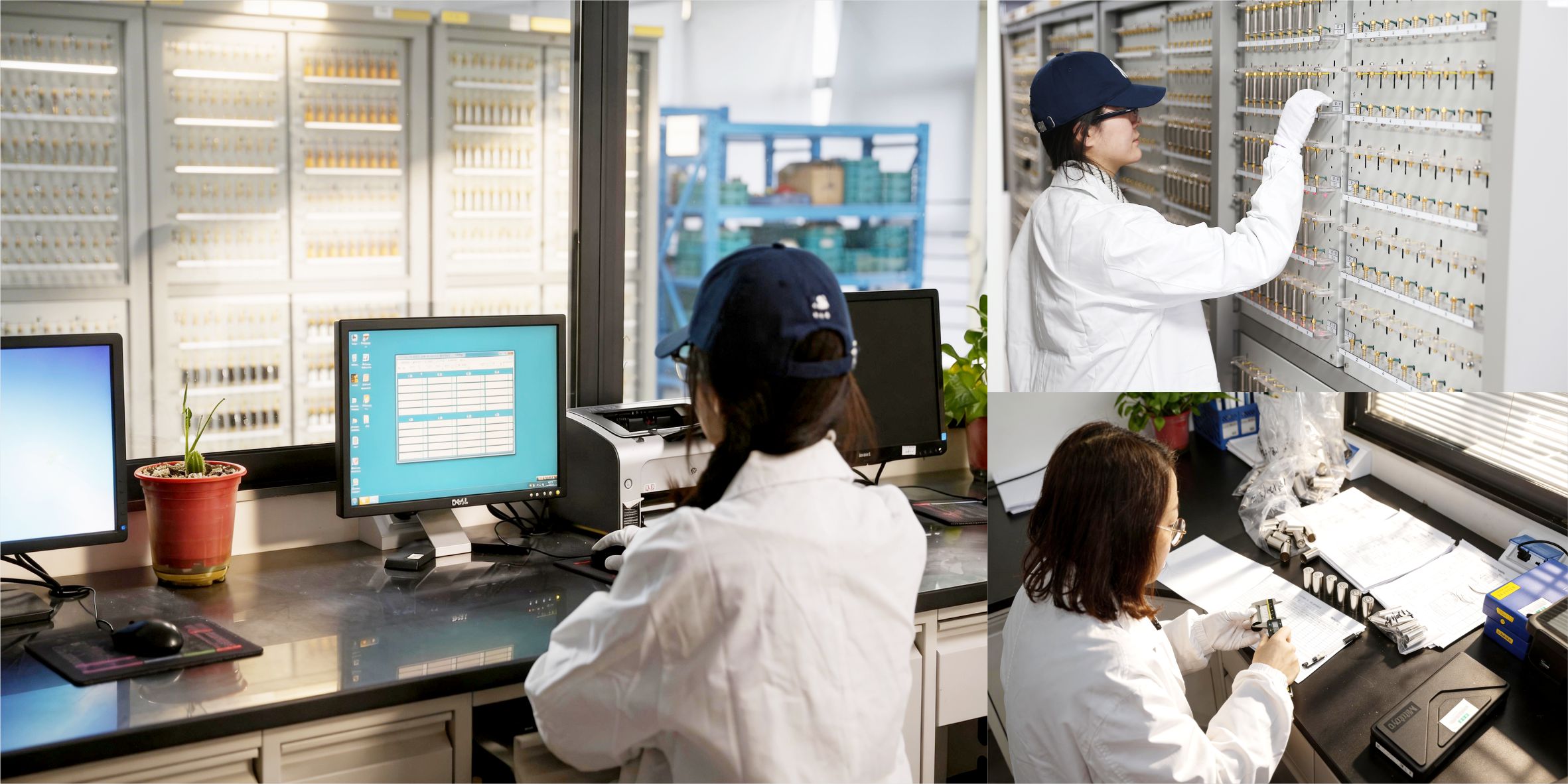
The future of battery manufacturing will be defined by intelligent automation, data-driven quality systems, and deeper integration between engineering and production processes.
Traditional volume-driven manufacturing is gradually being replaced by precision engineering systems focused on consistency, traceability, and lifecycle performance stability.
Key industry trends include automation in production systems, real-time quality monitoring, lifecycle performance tracking, and integrated manufacturing intelligence systems.
Manufacturers that combine consistency, transparency, and technical capability will lead the next phase of global battery industry competition.

Final Conclusion
Battery manufacturing is no longer defined by production scale alone. Instead, it is increasingly shaped by the ability to deliver consistent, reliable, and traceable products across global applications.
As industry expectations continue to rise, quality-first manufacturing models are becoming the new standard in global battery supply chains.
In this evolving environment, manufacturers that combine process discipline, quality control systems, and long-term supply reliability will be better positioned to support industrial, consumer, and emerging technology applications worldwide.