
Rechargeable D Cell NiMH Batteries
D cell NiMH batteries are large-size rechargeable batteries used when a device needs longer runtime, higher capacity, and repeated use instead of disposable alkaline cells. They are still common in emergency lanterns, industrial flashlights, radios, toys, and backup devices because they provide dependable 1.2V power and reduce battery waste over time.
-
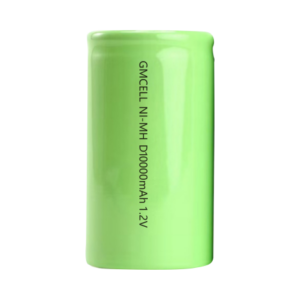
60D 4500mAh NiMH Battery
Read more -
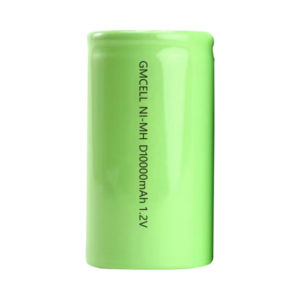
60D 5000mAh NiMH Battery
Read more -
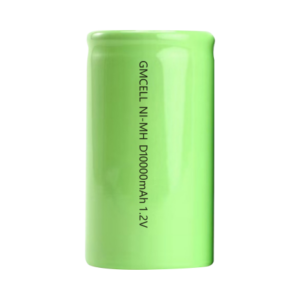
60D 7000mAh NiMH Battery
Read more -
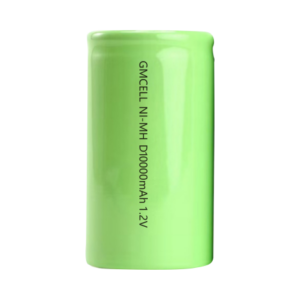
60D 9000mAh NiMH Battery
Read more -
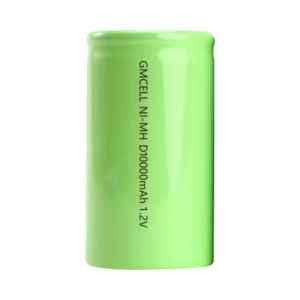
62D 10000mAh NiMH Battery
Read more -
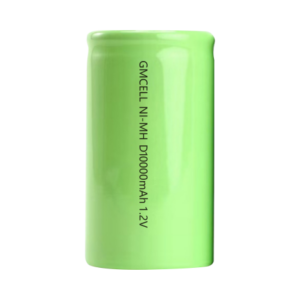
62D 11000mAh NiMH Battery
Read more -
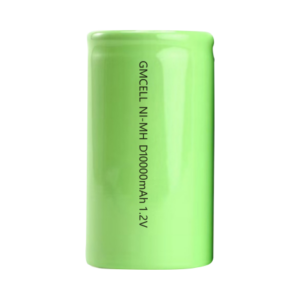
62D 4000mAh NiMH Battery
Read more -
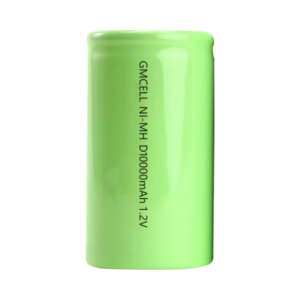
62D 6000mAh NiMH Battery
Read more -
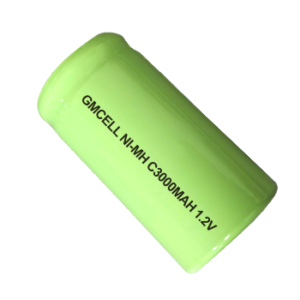
C 4000mAh NiMH Battery
Read more -
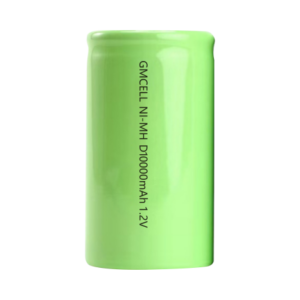
D 8000mAh NiMH Battery
Read more
If you are comparing battery sizes for replacement or bulk supply, you can also review our nimh rechargeable batteries category to understand available rechargeable NiMH formats.
Why Rechargeable D Batteries Still Matter
If your device uses D batteries, it usually needs more than a small burst of power. Rechargeable D cell NiMH batteries are still useful because they support longer runtime in larger devices where frequent disposable battery replacement becomes expensive and wasteful.
You still see D batteries in emergency equipment, lanterns, backup systems, industrial flashlights, medical devices, and camping gear because these products often need stable power over many hours, not just compact size.
NiMH vs Alkaline D Batteries
When you compare NiMH D batteries with alkaline D batteries, the decision is usually about usage frequency. If your device is used often, rechargeable NiMH can save replacement cost over time. If the device is rarely used, alkaline may feel cheaper at first.
| Comparison Point | NiMH D Battery | Alkaline D Battery |
|---|---|---|
| Use Type | Rechargeable | Disposable |
| Initial Cost | Higher upfront cost | Lower initial cost |
| Long-Term Value | Better for repeated use | One-time use |
| Voltage Behavior | Stable voltage during use | Voltage drops faster as it drains |
| Best Fit | Frequent-use lanterns, flashlights, toys, and backup devices | Low-use devices or occasional replacement needs |
Common Devices That Use D Cell Batteries
D cell batteries are still common in devices where compact AA or AAA cells may not provide enough runtime. You will often find rechargeable D cell NiMH batteries inside products that need steady power for many hours, especially during outdoor use, emergency backup, or industrial work.
Typical applications include emergency lanterns, industrial flashlights, portable radios, camping equipment, medical backup devices, and battery-powered fans. These devices usually care more about long operating time than small battery size.
How Long Do Rechargeable D Batteries Last?
Runtime depends on the battery capacity and how much current your device draws. A 10000mAh rechargeable D battery can last much longer than a small cell in low-to-medium drain devices, but heavy loads will drain it faster. That is why the same battery may run a radio for many hours but a powerful fan for less time.
When choosing high capacity NiMH D batteries, pay attention to capacity, discharge current, self discharge, and charging cycles. Higher capacity helps with runtime, while lower self discharge is useful if the battery sits in emergency equipment for long periods before use.
What Is the Best Rechargeable D Battery?
The best rechargeable D battery is not simply the one with the biggest number printed on the label. For real use, you should look at capacity, cycle life, low self discharge, charger compatibility, and temperature stability. These details decide whether the battery performs well in daily use, storage, and repeated charging.
If you are comparing best NiMH D batteries for lanterns, radios, fans, or industrial devices, choose a battery that matches your actual load. A high-capacity D cell is useful for long runtime, but stable discharge behavior and safe charging are just as important for long-term value.
Choosing a Charger for D Cell NiMH Batteries
A D cell NiMH battery charger should support the correct battery size, NiMH chemistry, and charging current. Do not choose a charger only because the battery physically fits. The charger must be designed for rechargeable NiMH cells so it can stop or reduce charging at the right time.
For safer charging, look for a NiMH D battery charger with independent slot monitoring, proper termination control, and clear status indicators. This matters more for high-capacity D batteries because long charging time and poor control can create heat, shorten battery life, or leave the battery undercharged.
Are Rechargeable D Batteries Worth It?
Rechargeable D batteries are worth it when your device is used often, drains batteries quickly, or needs reliable long runtime. They are especially practical for emergency lanterns, industrial flashlights, portable radios, camping equipment, and other devices where replacing disposable D cells again and again becomes costly.
If the device sits unused for years, disposable alkaline batteries may still feel simpler. But for repeated use, rechargeable D cell NiMH batteries usually make more sense because they reduce waste, lower long-term battery cost, and give you a reusable power source for high-capacity D cell devices.
Explore More NiMH Battery Topics
If you are comparing specialty sizes, replacement packs, or industrial rechargeable cells, these related NiMH battery topics can help you understand the chemistry, pack options, and application choices before selecting a battery for your device or project.
FAQ About Rechargeable D Cell NiMH Batteries
Are there rechargeable D cell batteries?
Yes. Rechargeable D cell NiMH batteries are available for devices that need large-size reusable batteries, such as lanterns, radios, flashlights, toys, fans, and backup equipment.
Are NiMH D batteries better than alkaline?
NiMH D batteries are usually better for frequent-use devices because they can be recharged many times. Alkaline D batteries may be simpler for rarely used devices, but they are disposable.
How long do rechargeable D batteries last?
Runtime depends on capacity, device load, discharge current, and battery condition. A high-capacity rechargeable D battery can last many hours in low-drain devices, but high-drain fans or lights will use power faster.
What devices still use D batteries?
D batteries are still used in emergency lanterns, industrial flashlights, portable radios, camping equipment, medical backup devices, battery-powered fans, and other long-runtime products.
Can I charge D batteries in a normal charger?
Only if the charger supports D size cells and NiMH chemistry. A proper D cell NiMH battery charger should match the battery size, charging current, and rechargeable NiMH battery type.
Why are D batteries still used in emergency equipment?
D batteries are still used in emergency equipment because they offer larger capacity and longer runtime than smaller cells. This makes them useful for lanterns, radios, and backup devices during outages.
Are rechargeable D batteries worth buying?
Yes, if your device is used often. Rechargeable D batteries are worth buying for frequent-use lanterns, flashlights, fans, radios, toys, and industrial equipment because they reduce repeated disposable battery replacement.
What is the difference between D batteries and D cell batteries?
There is usually no practical difference. “D battery” and “D cell battery” both refer to the same large cylindrical battery size used in long-runtime devices.
Can I replace alkaline D batteries with NiMH?
In many devices, yes, but you should check the device voltage tolerance and runtime needs. NiMH D batteries are typically 1.2V per cell, while alkaline D batteries are usually 1.5V when new.