
Specialty Rechargeable Battery Knowledge Hub
Specialty NiMH Battery Sizes Explained
Not all rechargeable batteries use standard AA or AAA sizes. Many industrial devices, RC battery packs, emergency systems, medical instruments, and cordless tools still rely on specialty NiMH Battery sizes such as A, Sub-C, 4/5 SC, C, D, F, and N cells. These rechargeable battery formats are designed for higher discharge current, custom pack assembly, or specific space requirements that standard consumer batteries cannot easily support.
-
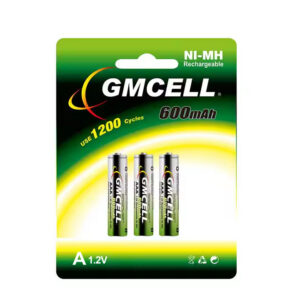
18670A 4200mAh NiMH Battery
Read more -
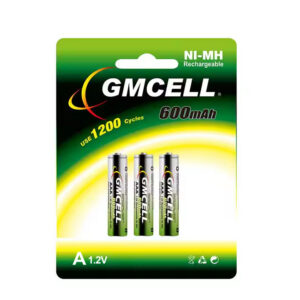
18670A 4500mAh NiMH Battery
Read more -
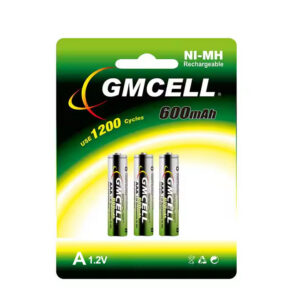
2/3A 1200mAh NiMH Battery
Read more -
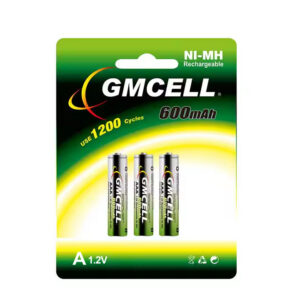
4/5A 2100mAh NiMH Battery
Read more -
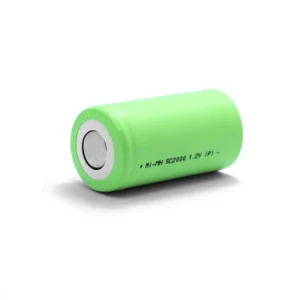
43SC 2800mAh NiMH Battery
Read more -
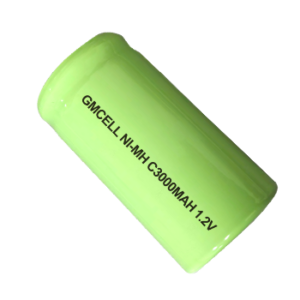
50C 3000mAh NiMH Battery
Read more -
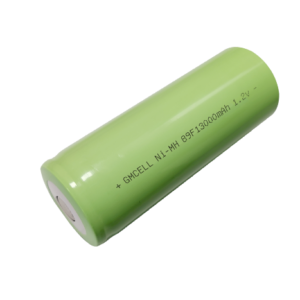
89F 10000mAh NiMH Battery
Read more -
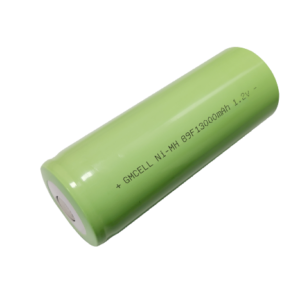
89F 12000mAh NiMH Battery
Read more -
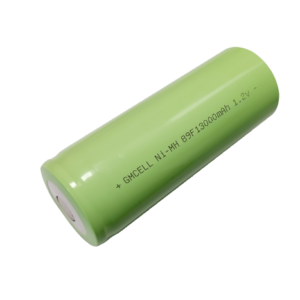
89F 13000mAh NiMH Battery
Read more -
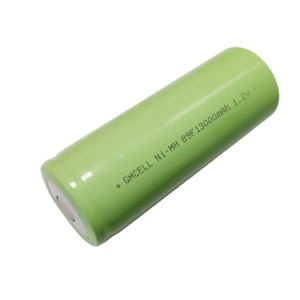
89F 14000mAh NiMH Battery
Read more -
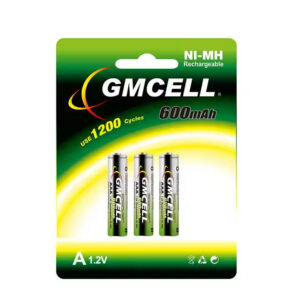
A 2500mAh NiMH Battery
Read more -
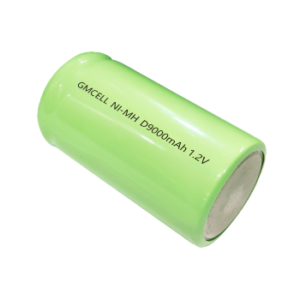
N 800mAh NiMH Battery
Read more -
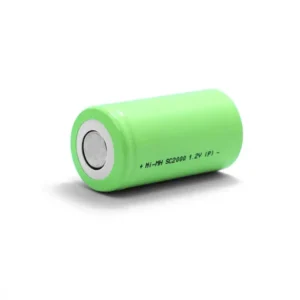
SC 2000mAh HP NiMH Battery
Read more -
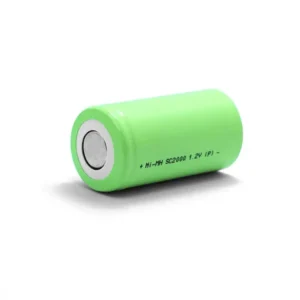
SC 3000mAh P NiMH Battery
Read more
This page helps you understand which specialty NiMH cell size fits your device, battery pack, replacement project, or OEM assembly need — without turning the page into a dry PDF-style specification sheet.
Why Specialty NiMH Battery Sizes Still Exist
If your device does not use a normal AA or AAA battery, it is usually not an accident. Many industrial rechargeable batteries, RC battery packs, emergency systems, and portable instruments still use specialty NiMH sizes because the battery must match the device’s space, current demand, runtime, and pack assembly method.
In real applications, a battery is not chosen only by voltage. A high drain SC battery, a tabbed A cell, a C cell for backup lighting, or a larger D/F cell may solve problems that a standard consumer cell cannot handle reliably.
Higher Discharge Current
Devices with motors, radio control loads, or sudden power demand often need stronger current delivery. That is why rechargeable Sub C batteries are still common in RC battery packs, cordless tools, and other motor-driven devices where stable output matters more than simply fitting into a standard battery holder.
Easier Battery Pack Assembly
Many specialty NiMH cells are made for welded packs, not loose retail use. A tabbed NiMH battery can be spot-welded into series or parallel packs, while flat-top rechargeable cells make it easier to build compact replacement packs with the correct shape, connector, and wire layout.
Longer Runtime for Industrial Devices
Some devices need longer backup time rather than a smaller battery. C size NiMH batteries, D size NiMH batteries, and larger industrial cells are often selected for emergency lighting, backup systems, portable instruments, and equipment that must keep running when power is interrupted.
A Safer Choice for Some Legacy Equipment
Some older industrial devices continue to use specialty NiMH batteries because the chemistry is stable, familiar, and easier to transport than many lithium battery systems. For replacement projects, NiMH can also be a practical option when the original device was designed around nickel-based rechargeable cells.
Popular Specialty NiMH Battery Sizes
When you compare specialty NiMH batteries, the size name is only the first clue. In real devices, an A Size NiMH Battery, Sub C NiMH Battery, C cell, D cell, N cell, or F cell is usually selected because the equipment needs a certain runtime, current level, physical footprint, or welded pack structure.
The guide below helps you read these battery sizes from a device-use point of view, so you can understand why a battery pack, industrial instrument, emergency light, or replacement NiCd pack may use one size instead of another.
A Size NiMH Rechargeable Batteries
A size NiMH batteries are specialty rechargeable cells commonly used in custom battery packs and industrial electronics. Compared with standard AA batteries, A cells are selected when devices require higher capacity, specific cylindrical dimensions, or welded battery pack assembly.
You may see them described as an A Cell NiMH Battery, Rechargeable A Cell Battery, NiMH A Battery, or Industrial A Size Rechargeable Battery, especially in replacement NiCd packs, portable instruments, and tabbed assembly projects.
Sub C (SC) NiMH Batteries
A Sub C NiMH Battery or SC NiMH Battery is one of the most common specialty rechargeable cells for high-drain use. It is often used in RC battery packs, cordless power tools, hobby electronics, and other motor-driven devices.
Common search and product terms include 1.2V SC Battery, 2700mAh SC Battery, 3000mAh SC Battery, and 4/5 SC Battery. These cells are often supplied with tabs for welded series connections.
Rechargeable C Cell NiMH Batteries
Rechargeable C Cell NiMH Batteries are larger than AA-style cells and are often used when a device needs more runtime without moving to a very large pack. A C Size NiMH Battery or NiMH C Battery is common in emergency lighting, industrial backup devices, and portable electronics.
Rechargeable D Cell NiMH Batteries
Rechargeable D Cell NiMH Batteries are selected when runtime is the main requirement. A D Size NiMH Battery or High Capacity D Cell Battery can support industrial backup systems, long-running equipment, and applications where a smaller cell would require too many replacements or too frequent charging.
N Size NiMH Rechargeable Batteries
An N Size NiMH Rechargeable Battery, Rechargeable N Cell Battery, or NiMH N Cell Battery is usually chosen for compact devices where space is limited. These cells can appear in portable instruments, security devices, medical electronics, and small rechargeable assemblies.
F Size Industrial NiMH Batteries
A F Size NiMH Battery, Industrial F Cell Battery, or Rechargeable F Size Battery is used when the battery pack needs higher capacity and a larger cell body. These cells are more common in industrial battery packs, specialty equipment, and high-capacity rechargeable systems.
Fractional NiMH Cells (2/3A, 4/5SC & More)
Fractional cells such as 2/3A cells and 4/5 SC cells are shortened battery formats used when a full-length cell is too large. These are useful for compact battery packs, reduced-height assemblies, and custom electronics where every millimeter of pack height matters.
Specialty NiMH Battery Sizes Compared
Specialty rechargeable batteries are usually chosen around real device requirements — not only battery voltage. A compact N Size NiMH Rechargeable Battery, a high drain SC battery, or a larger D/F industrial cell may all use the same chemistry, but they solve completely different runtime, current, and assembly problems.
The comparison below helps you quickly understand how these specialty NiMH battery sizes differ in capacity, application, pack structure, and discharge behavior.
| Battery Size | Typical Capacity | Common Use | High Drain | Common Form |
|---|---|---|---|---|
| A | 1500–2500mAh | Industrial packs | Medium | Tabbed |
| SC | 2000–3000mAh | RC packs | High | Tabbed |
| C | 3000–6000mAh | Emergency lighting | Medium | Flat Top |
| D | 5000–10000mAh | Backup systems | Medium | Flat Top |
| N | 300–1000mAh | Compact devices | Low | Cylindrical |
| F | 10000mAh+ | Industrial systems | Medium | Large Cell |
Common Applications for Specialty NiMH Batteries
Specialty rechargeable batteries are rarely chosen randomly. Most battery sizes exist because certain devices need a specific current level, runtime, or pack structure that standard consumer batteries cannot easily provide.
RC Battery Packs
SC batteries and 4/5SC packs are widely used in RC applications because they can handle high current discharge while still fitting compact welded battery packs.
Emergency Lighting Systems
C batteries and D batteries are common in emergency lighting because they provide stable backup runtime during power interruptions.
Medical & Portable Instruments
Compact devices often rely on N cells and compact rechargeable packs where physical size matters just as much as stable voltage supply.
Cordless Power Tools
Older cordless tools frequently use SC battery packs and welded replacement packs because these cells support repeated high-load operation.
Industrial Backup Devices
Many industrial systems still depend on large-capacity cells and rechargeable backup systems where long runtime and stable rechargeable chemistry are more important than extreme energy density.
Replacing Older NiCd Battery Packs with NiMH
If your older device originally used a nickel-based rechargeable pack, a NiMH replacement battery pack can often be considered because NiMH cells may keep a similar voltage platform while offering higher capacity and less memory effect than many older NiCd packs.
The key is not only chemistry. You still need to match the same form factor, compatible pack dimensions, connector layout, charging method, and thermal space inside the device before replacing an older NiCd pack with NiMH.
Charger Compatibility for Specialty NiMH Batteries
Charger compatibility matters more when you are working with specialty NiMH batteries, welded packs, and replacement assemblies. The wrong charger may overheat the pack, miss full-charge detection, or shorten cycle life even when the battery physically fits the device.
Can a NiCad Charger Charge NiMH Batteries?
Sometimes it may work only when the charger was designed to support both NiCd and NiMH chemistry. A basic NiCad-only charger may not detect a NiMH battery pack correctly, especially if it lacks proper delta-V termination or temperature monitoring.
Can a NiMH Charger Charge NiCad Batteries?
Some smart chargers support both chemistries, but you should always check the charger label and battery pack specification. A charger made only for NiMH rechargeable batteries should not be assumed safe for every older NiCd pack.
Can a NiMH Charger Charge Lithium Batteries?
No. A NiMH charger should not be used for lithium batteries. Lithium chemistry requires a different charging profile and protection method. For safety, keep NiMH packs, lithium packs, and their chargers separated unless the charger clearly lists the supported chemistry.
Why Smart Chargers Are Better for Specialty Battery Packs
A smart charger can help protect specialty NiMH battery packs by using delta-V detection, temperature monitoring, overcharge protection, and pack-aware charging behavior. This is especially useful for welded packs, high-drain SC packs, and custom assemblies.
How to Choose the Right Specialty NiMH Battery
Choosing a specialty NiMH cell is easier when you start with the device instead of the battery name. The right cell size should support your runtime target, fit the available space, deliver the required discharge current, and match the pack structure your equipment already uses.
Runtime Requirements
If the device must run longer between charges, compare the expected capacity range instead of choosing by size name alone. Larger C, D, and F cells are often selected for rechargeable backup systems and long-runtime industrial equipment.
Space Limitations
If the battery compartment is tight, the pack may need A, N, 2/3A, or 4/5SC cells instead of full-size cells. This is common in compact rechargeable packs, medical instruments, and portable devices.
Discharge Current
For motors, RC loads, and cordless tools, current delivery is critical. A high drain SC battery or welded SC pack may be more suitable than a larger but slower discharge cell.
Flat Top vs Tabbed Cells
Loose replacement cells may use flat tops, while welded packs often need tabs. A tabbed NiMH battery is easier to spot-weld into a pack, while flat-top rechargeable cells may fit certain holder-based designs.
Connector Matching
Replacement packs should match the original connector, wire length, polarity, and exit direction. This is especially important for connector-matched battery packs used in industrial devices and backup equipment.
Custom Pack Assembly, OEM & Industrial Supply
For OEM projects, the best choice may be a custom pack rather than a loose cell. OEM battery packs, custom assembly, and wholesale supply can help match voltage, capacity, cell layout, connector, shrink wrap, and label requirements for your device.
Explore More NiMH Battery Topics
If you are comparing specialty sizes, replacement packs, or industrial rechargeable cells, these related NiMH battery topics can help you understand the chemistry, pack options, and application choices before selecting a battery for your device or project.
FAQ
What is a Sub C NiMH battery used for?
A Sub C NiMH battery is commonly used in RC battery packs, cordless tools, hobby electronics, and other devices that need high current discharge from a compact rechargeable cell.
Why are SC batteries common in RC battery packs?
SC batteries are common in RC packs because they can deliver strong current, accept welded tab assembly, and fit compact pack layouts used in hobby vehicles and motor-driven devices.
Is a 4/5 SC battery smaller than a standard Sub C cell?
Yes. A 4/5 SC battery is a shortened Sub C format used when a pack needs similar diameter behavior but reduced height for compact battery assemblies.
What is an A size rechargeable battery used for?
An A size rechargeable battery is often used in custom battery packs, portable instruments, industrial electronics, and replacement NiCd packs where the device needs a specific cylindrical footprint.
Are specialty NiMH batteries still used today?
Yes. Specialty NiMH batteries are still used in RC packs, emergency lighting, backup systems, medical instruments, industrial equipment, and replacement battery packs.
Can NiMH replace older NiCd battery packs?
NiMH can often replace older NiCd packs when voltage, cell count, pack dimensions, connector, charging method, and thermal space are properly matched.
What is the difference between SC and C batteries?
An SC battery is a Sub C cell commonly used for high-drain packs, while a C battery is larger and often selected for longer runtime in lighting, backup, and portable devices.
Why do industrial devices still use NiMH batteries?
Industrial devices still use NiMH batteries because they offer stable rechargeable performance, familiar charging systems, pack assembly flexibility, and practical replacement options for legacy equipment.
Are flat-top and tabbed NiMH batteries different?
Yes. Flat-top NiMH cells are often used in holders or replacement designs, while tabbed NiMH batteries are made for spot welding into custom battery packs.
Which NiMH battery size has the highest capacity?
Larger specialty cells such as D and F size NiMH batteries usually provide higher capacity than compact A, N, or SC cells, although the final capacity depends on the specific cell design.
Can specialty NiMH batteries be custom assembled into packs?
Yes. Specialty NiMH cells can be assembled into custom battery packs with matched voltage, capacity, tab layout, connector, wire length, shrink wrap, and label requirements.