
Ni-MH Rechargeable Batteries
Nickel Metal Hydride Rechargeable Battery Products Overview
You can explore popular NiMH rechargeable battery sizes and formats here. Each section gives you a quick look at available models first, then links to the full category page if you'd like to compare more options.
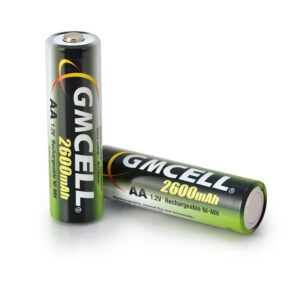
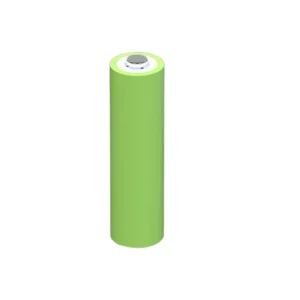
AA NiMH Batteries
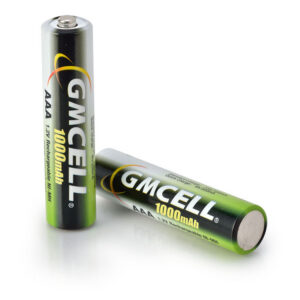
AAA NiMH Batteries
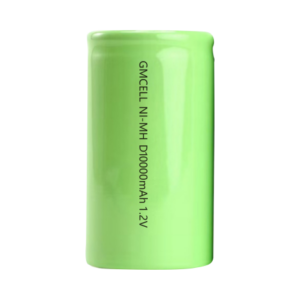
Ni-MH Batteries D
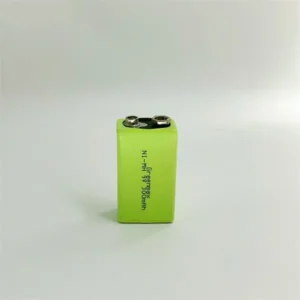
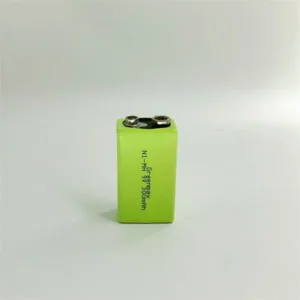
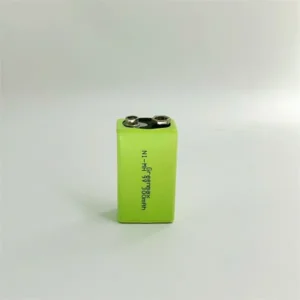
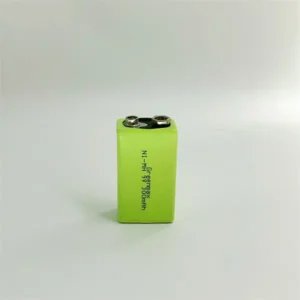
9V Nickel Metal Hydride Battery
If you are comparing rechargeable battery options, this page gives you a clearer starting point. Here, you can quickly understand what Ni-MH rechargeable batteries are, where they are commonly used, why many users still choose them, and which sections to explore next based on your questions, applications, or sourcing needs.
Consumer Sizes
AA and AAA options remain a familiar fit for daily devices.
Repeated Use
A practical choice for devices that benefit from recharge cycles.
Charging Basics
Safe use starts with matching cells and compatible chargers.
Applications & Supply
Explore types, common use cases, and support for sourcing needs.
On This Page
Use this quick navigation to jump straight to the section that matters most to you, whether you want a simple definition, a safety overview, common battery types, typical applications, or answers to frequently asked questions.
Quick Answers About NiMH Batteries
If you are just getting started, this section gives you a faster overview before you move into the full guide. It answers the most common questions people usually ask first, so you can quickly understand what Ni-MH batteries are, why people still use them, how safe they are, and where they fit compared with other battery types.
What is a Ni-MH battery?
A Ni-MH battery is a rechargeable battery based on nickel-metal hydride chemistry. It is commonly used in reusable consumer battery formats such as AA and AAA.
Are Ni-MH batteries good?
They are a practical choice for devices that benefit from repeated charging. Many users choose them for everyday electronics that need reusable and familiar battery formats.
Are Ni-MH batteries safe?
In normal use, Ni-MH batteries are generally considered a stable rechargeable option. Safe performance still depends on correct charging, proper handling, and suitable battery matching.
How do they compare?
Ni-MH batteries sit between simple disposable convenience and more specialized rechargeable systems. They are often considered when users want rechargeable power in common battery sizes.
What Are Ni-MH Rechargeable Batteries?
Ni-MH stands for nickel-metal hydride. A Ni-MH battery is a rechargeable battery chemistry that is widely recognized in consumer formats such as AA and AAA, as well as selected battery pack applications. When people talk about Ni-MH batteries, they are usually referring to reusable batteries designed for charge-and-use cycles instead of one-time disposable use.
Yes, Ni-MH batteries are rechargeable. That is one of the most important starting points to understand. They are not the same as standard disposable alkaline batteries, and they are not simply another name for every rechargeable battery on the market. Instead, they represent a familiar rechargeable option that many users consider when they want reusable power in common battery sizes.
In practical terms, Ni-MH batteries are often chosen for devices that are used repeatedly and benefit from rechargeability. Their role on this page is not just to be identified as a battery chemistry, but to be understood as a real-world power option that still matters for everyday electronics, selected accessories, and broader battery selection decisions.
What the name means
Ni-MH is short for nickel-metal hydride, which identifies the underlying rechargeable battery chemistry.
Why rechargeability matters
The key difference is that Ni-MH batteries are designed to be charged and reused rather than treated as single-use cells.
Where they usually fit
They are commonly considered in familiar battery formats and repeated-use scenarios where recharge cycles are important.
Key Benefits of Ni-MH Batteries
If you are wondering whether Ni-MH batteries are still worth considering, the answer depends on how you plan to use them. For many users, their value comes from a practical mix of rechargeability, familiar battery sizes, and suitability for repeated-use devices. In the right scenarios, they remain a dependable option worth understanding.
One of the biggest reasons people choose Ni-MH batteries is simple: they are designed for repeated charging and repeated use. That makes them especially appealing when you rely on a device often enough that replacing disposable batteries again and again starts to feel wasteful, inconvenient, or unnecessarily expensive over time.
Another major benefit is familiarity. Ni-MH batteries are often available in common consumer-friendly sizes such as AA and AAA, which makes them easier to understand and easier to match with many everyday battery-powered devices. This practical accessibility is one reason they continue to be a realistic choice for users who want rechargeable power without moving too far away from familiar formats.
In real-world use, Ni-MH batteries tend to make the most sense where repeat use matters more than one-time convenience. They are often considered for devices that are used regularly, benefit from recharge cycles, and fit better with a reusable power routine than a disposable-only approach.
Rechargeable for repeated use
Their core value starts with reuse. If a device is used again and again, rechargeable power can be far more practical than repeatedly replacing disposable cells.
What Are Common NiMH Sizes?
Ni-MH batteries are available in several common sizes and formats, and knowing the difference helps you choose more confidently for daily use, product matching, and replacement needs.
View Sizes Guide →Suitable for recurring device use
They are often a better fit when the same device sees regular use and benefits from a repeated charge-and-use cycle instead of one-time battery replacement.
Value becomes clearer over time
The real benefit is often easier to understand across repeated use, where recharge potential can matter more than the upfront pack price alone.
Advantages and Limitations
To judge Ni-MH batteries fairly, it is not enough to look only at the good points. You also need to understand where they fit well, where they may feel less ideal, and how value should be judged in real use. A balanced view makes it much easier to decide whether they are truly worth it for your device, habits, and budget.
Ni-MH batteries do offer real advantages, especially when you use a device often enough to benefit from rechargeability. They are familiar, practical, and easy to understand in many consumer-focused battery formats. For many users, that alone makes them worth serious consideration.
At the same time, they are not a universal best choice for every scenario. Battery performance is always influenced by use case, device compatibility, charger matching, and user habits. This means the right question is often not “Are Ni-MH batteries always better?” but “Are they the better fit for the way I actually plan to use them?”
Price should also be viewed in context. Looking only at the initial pack price can be misleading. In many real situations, overall value depends more on repeated use, charging behavior, and device frequency than on one upfront purchase comparison by itself.
Advantages
- Rechargeable design makes them practical for repeated-use devices.
- Common battery sizes make them easier to understand and adopt in familiar products.
- They can be a sensible choice when reusable power matters more than one-time convenience.
- Longer-term value may become clearer across many charge cycles in suitable scenarios.
Limitations
- They are not automatically the best fit for every battery-powered device.
- Performance can depend heavily on charger compatibility, battery matching, and usage habits.
- Battery choice still varies by application, so one chemistry does not win in every situation.
- Upfront price alone does not tell the whole story, especially when long-term use patterns differ.
NiMH vs Other Battery Types
If you are comparing battery options, it helps to see where NiMH sits before you get lost in technical detail. This section is designed to give you a simple overview, not a final winner. The most useful question is usually not “Which battery is best in every case?” but “Which battery makes the most sense for the way I plan to use it?”
NiMH batteries are often considered alongside alkaline, lithium-based batteries, and NiCd because these options can overlap in how people shop, compare, and think about real-world use. That does not mean they do the same job in exactly the same way. In practice, the biggest differences usually come down to whether the battery is disposable or rechargeable, how the device is used, and what kind of routine the user expects.
This is why a light comparison can be so useful on a parent page like this one. You do not need a full technical debate to understand the basic positioning. What you need is a clear sense of how NiMH differs in use style, common fit, and selection logic, so you can decide whether to keep exploring this chemistry or move toward a different type.
NiMH vs Alkaline
The biggest difference is usage style. Alkaline batteries are generally used as disposable cells, while NiMH batteries are chosen when repeated charging and repeated use are part of the plan. For many users, the better option depends on how often the device is used.
NiMH vs Lithium
NiMH and lithium-based options are often compared, but they do not always serve the same role in the same way. The more useful comparison is not “Which sounds more advanced?” but which battery type better fits the device, charging routine, and expected use pattern.
NiMH vs NiCd
These two chemistries are commonly mentioned together because both belong to rechargeable battery discussions. In many buying journeys, NiMH is evaluated as a more current alternative path, but the right choice still depends on the device, compatibility, and actual usage needs.
If you want a broader comparison before going deeper, you can also read our NiMH vs Other Battery Types guide. It gives you a clearer starting point for comparing NiMH with alkaline, lithium, and NiCd based on real usage patterns rather than one-size-fits-all answers.
Safety, Heat, and Charging Basics
If safety is one of your biggest concerns, that is completely reasonable. Most users do not just want a battery that works; they also want to know how to use it properly, what normal charging behavior looks like, and which warning signs should not be ignored. This section gives you a practical baseline without turning the page into a technical safety manual.
NiMH batteries are generally considered a stable rechargeable option when they are used and charged correctly. That does not mean every situation is automatically risk-free. It means the safest experience comes from understanding a few practical basics: use a compatible charger, avoid badly matched or damaged cells, and pay attention when heat or charging behavior seems unusual.
Heat is one of the most common concerns users notice first. Mild warmth during charging may not automatically signal a major problem, but excessive or unusual heat should not be brushed aside. The same principle applies to overcharging. Rechargeable batteries are not meant to be treated casually just because they can be charged again. Matching the battery to the charger and following sensible charging practices is still essential.
Safety basics
In ordinary use, NiMH batteries are generally seen as a stable rechargeable choice. Safe performance still depends on correct charging, suitable battery matching, and avoiding damaged cells or careless handling.
Heat awareness
Warmth can happen during charging, but unusual or excessive heat deserves attention. It may point to charger mismatch, battery wear, charging stress, or other conditions that should not be ignored.
Overcharge basics
Overcharging is something users should actively avoid. The right charger and the right charging routine matter because “rechargeable” does not mean “safe under any charging behavior.”
Lifespan, Recharge Cycles, and What Affects Battery Life
If you are asking how long a NiMH battery will last, the most honest answer is that battery life is shaped by use, not just by a number on a package. Recharge cycles matter, but so do charging habits, heat, storage conditions, and how the battery is treated over time. This section helps you build a more realistic expectation before you judge whether NiMH fits your long-term needs.
NiMH battery lifespan should be understood as usable life, not just calendar time. A battery that is charged correctly, stored properly, and used in a reasonable pattern can often deliver a much better long-term experience than one that is exposed to careless charging, high heat, poor storage, or long periods of neglect.
Recharge cycles are an important part of the story, but they should not be treated like a simple promise that looks the same for every user. Real cycle performance depends on how frequently you use the battery, how deeply it is worked, how well it is matched to the charger, and whether the overall use routine supports healthy battery behavior.
What shortens NiMH battery life most often is not one single factor, but a pattern of avoidable stress. Excess heat, poor charger compatibility, mismatched cells, careless charging habits, and poor storage conditions can all reduce performance over time. This is why the right question is not just “How long should it last?” but also “What kind of conditions am I giving it?”
Usable life depends on conditions
NiMH lifespan is not a fixed number that looks the same for everyone. Real results depend on how the battery is charged, used, stored, and maintained over time.
Recharge cycles matter in context
Cycle count is an important way to think about value, but it only makes sense when combined with real usage habits and charging quality.
Battery life is shaped by daily handling
Heat, charger mismatch, storage, and general handling habits can all influence how well a NiMH battery performs across long-term use.
Main NiMH Battery Types and Sizes
Once you understand what NiMH batteries are and how they behave, the next step is usually more specific: which kind of NiMH battery should you look at next? This section is meant to guide you into the most common type paths without turning the parent page into a full specification guide. Think of it as a structured overview that helps you decide where to click next.
NiMH is not just one battery shape or one buying route. In practice, users usually continue into familiar formats such as AA and AAA, more application-based pack solutions, or more specific performance-focused paths such as low self-discharge options. Each of these directions can lead to a different kind of comparison or selection process.
That is why this section stays broad on purpose. It gives you a quick orientation, shows the main type groups people commonly explore, and points you toward the child pages where each type can be discussed in more detail.
AA NiMH Batteries
AA is one of the most familiar NiMH formats and is often the first place many users look when they want rechargeable power in a common consumer battery size.
Explore AA NiMH Batteries →AAA NiMH Batteries
AAA NiMH batteries are commonly considered when users need a smaller familiar format but still want rechargeable power for repeat-use battery devices.
Explore AAA NiMH Batteries →NiMH Battery Packs
NiMH also appears in pack-based formats, where the focus usually shifts from simple household replacement to more application-driven configuration and compatibility.
Explore NiMH Battery Packs →Low Self-Discharge NiMH
This type is often considered by users who care about charge retention during periods of non-use and want a more specific path within NiMH battery options.
Explore Low Self-Discharge NiMH →Common Applications of NiMH Batteries
If you already understand what NiMH batteries are, the next step is usually much simpler: you just want to know whether they make sense for your actual device. This section helps you quickly look through a few common application paths, so you can start with the one that feels closest to what you are using or replacing.
If you are comparing NiMH batteries for real-world use, you will usually notice that different devices come with different expectations. In some cases, you may care more about everyday convenience. In others, you may care more about fit, standby habits, charging routine, or how often the device is used.
If you are not sure which direction to look at first, you can use the application cards below as a quick starting point. Just choose the one that feels closest to your device, and then continue into the page that gives you more detailed guidance.
NiMH Batteries for Toothbrushes
If you are replacing a toothbrush battery, you will probably care most about fit, charging stability, and whether the replacement battery matches the structure of your device well enough for everyday use.
Explore Toothbrush Applications →NiMH Batteries for Solar Lights
If you are using solar lights, you may want a clearer answer about outdoor charging rhythm, overnight performance, and when a routine battery replacement starts to make sense.
Explore Solar Light Applications →AA 600mAh NiMH for Solar Lights
If you are comparing smaller AA solar batteries, you may want to know whether a 600mAh option is enough for your light, your runtime expectations, and the kind of setup you are actually using.
Explore 600mAh Solar Applications →NiMH Batteries for Panasonic Phones
If you are replacing a Panasonic phone battery, you may want a more direct fit-focused answer, especially if you care about standby time, daily calling habits, and replacement convenience.
Explore Panasonic Phone Applications →NiMH Batteries for Older Power Tools
If you are still using an older power tool system, you may want to understand rebuild options, pack compatibility, and what kind of performance you can realistically expect from a legacy NiMH setup.
Explore Power Tool Applications →NiMH Batteries for Cordless Phones
If you are replacing a cordless phone battery, you may want a practical answer first, especially around standby time, charging cradle behavior, and the convenience of everyday home use.
Explore Cordless Phone Applications →Battery Packs, Charger Sets, and Supply Options
If your questions are moving beyond standard battery understanding, this section helps you see the next practical directions. Some users want to look at NiMH battery packs, some want battery-and-charger combinations, and some are already thinking about sourcing, supply, or project-based support. This module is here to guide that transition without turning the parent page into a heavy sales page.
At this point, your next step may depend on what kind of decision you are trying to make. If your interest is moving toward configured battery formats, pack-oriented pages will usually be more useful. If your concern is day-to-day charging convenience, charger set paths may make more sense. If you are already thinking in terms of supply, inquiry, or business support, then a sourcing-oriented path is usually the right next move.
The goal here is not to overwhelm you with commercial detail. It is simply to make the next layer of options visible, so you can move from a broad NiMH topic page into the specific route that better matches your product, usage, or procurement intent.
Battery Packs
If your focus is moving away from single standard cells and toward more application-led battery formats, NiMH battery pack pages are usually the right place to continue.
Explore NiMH Battery Packs →Charger Sets
If you are thinking about convenience, charging routines, or battery-and-charger pairing instead of battery-only browsing, charger set pages give a more relevant next step.
Explore Charger Sets →Supply Options
If your question is already moving into sourcing, project fit, or business discussion, supply-related pages provide the clearest path forward from research into real inquiry.
Explore Supply Options →Why GMCELL / Supply Support
If you have already worked through the main questions on this page, the next step may simply be deciding whether there is a brand or support path worth continuing with. GMCELL is positioned here not as a hard sales interruption, but as a practical next-step option for readers who want to move from topic understanding into product discussion, application follow-up, or supply-related inquiry.
By this stage, you may already know whether your interest is centered on standard sizes, application-specific use, battery packs, or a sourcing-related direction. The purpose of this section is to make that transition easier. Instead of leaving you at the edge of a topic page with no next step, it gives you a clearer continuation point if you want to keep exploring with GMCELL.
The emphasis here is on continuity. The type paths, application paths, and support paths introduced earlier are not isolated reading sections. They can continue into more detailed conversations, and that is where a brand support section becomes useful rather than intrusive.
Product Path Support
If your focus is on standard consumer sizes or common NiMH product categories, GMCELL can serve as a practical next step after the parent topic overview.
Application Path Support
If your questions are driven by device use, application pages can continue into more specific discussion rather than stopping at general battery theory.
Pack Path Support
If your interest is moving toward configured battery formats or more application-led battery solutions, the pack route can continue beyond this page.
Inquiry Path Support
If you are already thinking about supply, sourcing, or cooperation, GMCELL can serve as a clear bridge from research into a more direct conversation.
Request a Quote
Tell us what you need. We aim to respond to new inquiries within 24 hours.
- Product selection, pricing & sample availability
- OEM / private-label & custom project support
- Technical support & applicable documentation
Sample availability, cost and timing depend on product type, specifications and destination.
Frequently Asked Questions About NiMH Batteries
If you want faster answers without reading every section above, this FAQ area brings the most common Ni-MH battery questions together in one place. You can open the topic that matters most to you, whether your concern is rechargeability, safety, lifespan, battery type comparison, or common device use.
What is a NiMH battery?
A NiMH battery is a rechargeable battery based on nickel-metal hydride chemistry. It is commonly discussed in familiar consumer formats such as AA and AAA, as well as in selected battery pack applications where repeated charging and repeated use matter.
Are NiMH batteries rechargeable?
Yes, NiMH batteries are rechargeable. That is one of their core characteristics and one of the main reasons people compare them with disposable alkaline batteries and other rechargeable battery options.
Are NiMH batteries any good?
They can be a very practical choice when you use a device often enough to benefit from rechargeability. Their value becomes clearer in repeated-use situations where reusable power makes more sense than replacing disposable batteries again and again.
What are the advantages of NiMH batteries?
The main advantages usually include rechargeability, suitability for repeated-use devices, and availability in familiar consumer battery sizes. In the right use pattern, they can also offer stronger long-term value than a one-time-use battery approach.
What are the disadvantages of NiMH batteries?
NiMH batteries are not automatically the best fit for every device or every usage style. Their real-world performance can depend on charger compatibility, battery matching, storage conditions, and how the battery is used over time, so they should be judged by fit rather than by label alone.
Are NiMH batteries safe?
In normal use, NiMH batteries are generally considered a stable rechargeable option. Safe performance still depends on correct charging, sensible handling, and avoiding damaged or poorly matched cells.
Can NiMH batteries get hot?
They can become warm during charging, but unusual or excessive heat should not be ignored. Heat can be linked to charger mismatch, battery wear, charging stress, or other conditions that deserve attention before use continues.
Can you overcharge NiMH batteries?
Yes, overcharging is something users should avoid. A compatible charger and a sensible charging routine matter because rechargeable batteries are designed for controlled charging, not careless charging.
Can a NiMH battery catch fire?
NiMH batteries are generally viewed as a stable rechargeable chemistry when used correctly, but no battery should be treated casually. Unsafe handling, damaged cells, or incorrect charging conditions are the kinds of factors that make any rechargeable battery situation less predictable.
How long do NiMH batteries last?
NiMH battery lifespan depends on how the battery is charged, used, stored, and maintained. Instead of thinking only in fixed time terms, it is more accurate to think in terms of usable life shaped by battery quality, recharge routine, and everyday handling conditions.
How many times can NiMH batteries be recharged?
Recharge cycles are an important part of the value discussion, but the real answer depends on context. Cycle performance is influenced by charger quality, battery matching, use frequency, heat exposure, and general charging discipline.
What shortens NiMH battery life?
Battery life is often shortened by avoidable stress such as excess heat, poor charger compatibility, mismatched cells, careless charging habits, and poor storage conditions. In many cases, it is the repeated pattern of stress—not one single event—that gradually reduces performance.
Are NiMH batteries better than alkaline?
They are better for some use patterns, but not in every situation. NiMH batteries are often considered when repeated charging and repeated use matter, while alkaline batteries are commonly viewed through a more disposable-use lens.
Is NiMH better than lithium ion?
Not in a universal sense. NiMH and lithium-based options often serve different roles, so the better choice usually depends on the device, the charging routine, and the kind of performance or convenience you are trying to prioritize.
What devices use NiMH batteries?
NiMH batteries are commonly considered in repeated-use device categories such as cameras, toys, solar lights, remote controls, and other products that benefit from rechargeable power in familiar battery formats. For a more specific scene-based view, you can continue into the application sections and child pages above.