
Looking for a broader starting point first? Visit our Ni-MH Rechargeable Batteries page to explore the wider battery category before narrowing down to AAA NiMH options.
AAA NiMH Batteries
If you are choosing rechargeable AAA batteries, the key difference is not just size, but how smaller devices actually use power. AAA NiMH batteries are designed for compact electronics where space is limited and energy demand is usually lower than AA-powered devices.
-
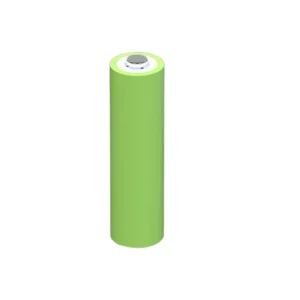
43AAA 600mAh NiMH Battery
Read more -
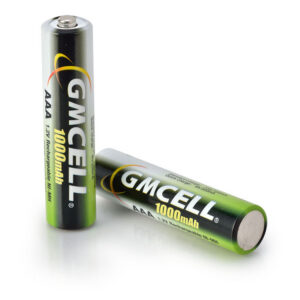
43AAA 700mAh NiMH Battery
Read more -
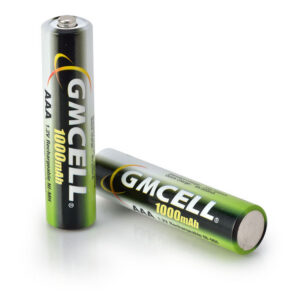
44AAA 1000mAh NiMH Battery
Read more -
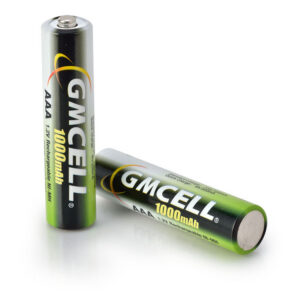
44AAA 1100mAh NiMH Battery
Read more -
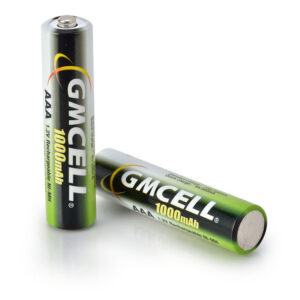
44AAA 600mAh NiMH Battery
Read more -
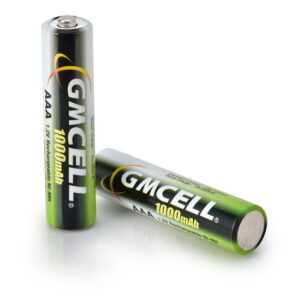
44AAA 900mAh NiMH Battery
Read more -
49AA 2500mAh NiMH Battery
Read more -
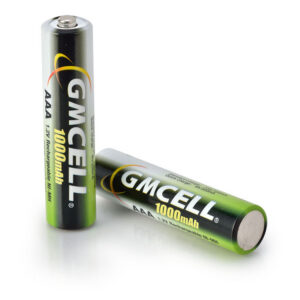
AAA 150mAh NiMH Battery
Read more -
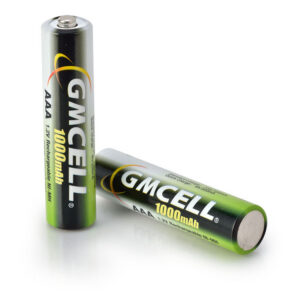
AAA 200mAh NiMH Battery
Read more -
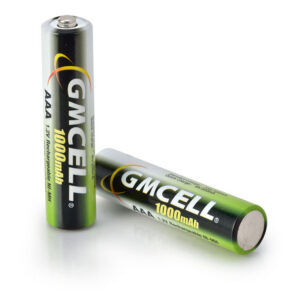
AAA 300mAh NiMH Battery
Read more -
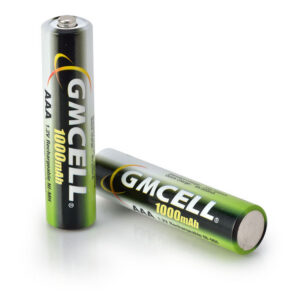
AAA 550mAh NiMH Battery
Read more -
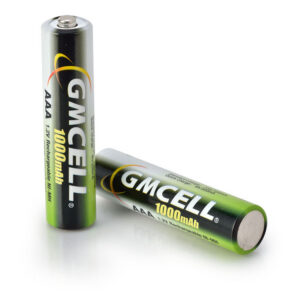
AAA 800mAh NiMH Battery
Read more -
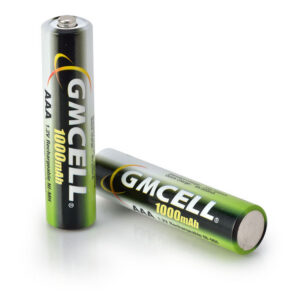
AAA 850mAh NiMH Battery
Read more -
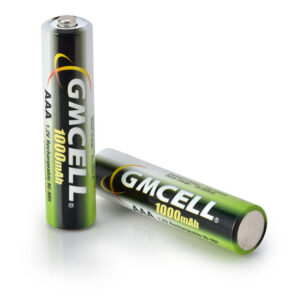
AAA 900mAh NiMH Battery
Read more
They are best suited for remotes, wireless accessories, and small everyday electronics that benefit from rechargeable convenience rather than maximum runtime.
Instead of focusing only on battery chemistry, this guide helps you understand how AAA size affects capacity, runtime expectations, and device compatibility in real-world use.
Figure 1. This hero illustration gives you a fast visual summary of what this page is about: AAA-size rechargeable NiMH batteries used in compact electronics where lighter power demand and smaller battery space matter more than maximum runtime.
Cite this figureWhat Are AAA NiMH Batteries?
AAA NiMH batteries are rechargeable batteries built in the smaller AAA cylindrical size. In simple terms, AAA tells you the battery size, while NiMH tells you the rechargeable chemistry inside the cell. Most standard AAA NiMH batteries also follow a 1.2V nominal voltage platform, which is normal for this battery type.
The main reason people choose AAA NiMH batteries is not maximum energy storage. The real advantage is that they make rechargeable power possible in products that use a smaller battery compartment. That is why AAA NiMH batteries appear so often in compact electronics, portable accessories, and other everyday devices where physical size matters just as much as battery chemistry.
AAA NiMH batteries are essentially smaller rechargeable batteries built for devices that prioritize compact size over maximum energy capacity.
Figure 1. AAA NiMH batteries combine a smaller AAA physical size with rechargeable nickel-metal hydride chemistry, making them a practical choice for compact electronics that benefit from repeated charging.
AAA Size, Capacity, and What It Really Means
The most important thing to understand about AAA NiMH batteries is that smaller size usually means lower stored energy. In many cases, the typical AAA NiMH capacity range falls around 600mAh to 1000mAh. That does not mean the battery is poor quality. It means the battery is working within the limits of a smaller physical format.
Compared with larger battery sizes, AAA batteries generally store less energy and often deliver a shorter runtime per charge cycle. That is the tradeoff. But the benefit is equally important: AAA batteries fit compact battery compartments, reduce overall weight, and make rechargeable use possible in products where a larger cell simply would not fit.
AAA batteries are not designed to last longer — they are designed to fit where larger batteries cannot.
That is the real way to judge AAA NiMH batteries. Small does not mean worse. Small usually means the battery was chosen for a different type of device, a different space limit, and a different power expectation.
Figure 2. AAA NiMH batteries usually offer a lower capacity range than larger battery sizes, but their value comes from fitting compact electronics where smaller size and lighter weight matter more than maximum runtime.
Where AAA NiMH Batteries Make the Most Sense
AAA NiMH batteries work best in devices that are used often but do not need strong continuous power. This is where the smaller AAA format becomes practical. Instead of chasing the biggest capacity number, the better question is whether the device uses small amounts of power again and again in daily life.
In many homes and workspaces, that usually means products such as remote controls, wireless mice, keyboards, small toys, and Bluetooth accessories. These devices are often handled regularly, but they do not usually run under heavy, high-drain demand for long periods at a time. That makes rechargeable AAA batteries a much more sensible fit than people sometimes expect.
The common pattern is simple: these products tend to draw low to medium power, they may be used repeatedly throughout the day, and they usually do not need long uninterrupted output like a heavier-drain device would. In that kind of use, AAA NiMH batteries can offer a more practical recharge-and-reuse path without forcing you to keep replacing disposable cells.
AAA NiMH batteries make the most sense in devices that are used often but do not demand high continuous power.
Figure 3. AAA NiMH batteries are usually the most practical fit for repeat-use compact devices such as remotes, mice, keyboards, small toys, and Bluetooth accessories where power demand stays relatively modest.
AAA NiMH vs Alkaline AAA
When choosing between AAA NiMH and alkaline AAA batteries, the decision is usually less about chemistry details and more about how often the device is used. If the same device keeps going through batteries, rechargeable AAA NiMH batteries are often the more practical route. If the device is only used once in a while, alkaline AAA can still feel simpler and more convenient.
In other words, NiMH makes more sense when repeated use is the normal pattern. Alkaline makes more sense when the battery is there mainly for occasional convenience and low-maintenance replacement. This is why two devices using the same AAA size can still point to different battery choices depending on real use frequency.
The easiest way to decide is this: frequent use usually favors NiMH, while occasional use usually favors alkaline.
AAA NiMH
Rechargeable
Better for repeated use and devices that go through batteries regularly.
Alkaline AAA
Single-use
Convenient for occasional use and simple one-time replacement.
Figure 4. The most practical way to choose between AAA NiMH and alkaline AAA is to look at device usage frequency: repeated use usually favors rechargeable NiMH, while occasional use often favors alkaline convenience.
AAA NiMH vs AA NiMH
AAA NiMH and AA NiMH batteries use the same rechargeable chemistry, but they are not meant to do the same job. The most important difference is not chemistry. It is physical size, stored energy, and the type of device each battery format is meant to support.
AAA NiMH batteries are smaller, lighter, and usually chosen for compact electronics where battery space is limited. AA NiMH batteries are larger and usually carry more energy, so they are often the better fit when the device has a higher power demand or needs longer runtime between charges.
If your device needs more capacity and longer runtime, it may be worth reviewing our AA NiMH Batteries page as well.
They use the same chemistry, but they are built for different roles.
| Feature | AAA NiMH | AA NiMH |
|---|---|---|
| Size | Smaller | Larger |
| Capacity | Lower | Higher |
| Runtime | Shorter | Longer |
| Use case | Compact devices | Higher-demand devices |
The practical takeaway is simple: choosing between AAA and AA is not about which battery is “better” in isolation. It is about whether the device needs a smaller battery format or whether it benefits more from the higher capacity and longer runtime that a larger AA cell can provide.
Figure 5. AAA NiMH and AA NiMH share the same rechargeable chemistry, but AAA is generally used for compact devices while AA is better suited to devices that benefit from more capacity and longer runtime.
Runtime Expectations for AAA NiMH
AAA NiMH batteries naturally deliver less runtime than AA NiMH batteries because they are smaller and usually store less energy. That part is normal. The mistake is expecting AAA batteries to behave like a larger battery format when their real purpose is to support smaller, lighter, and more compact devices.
In practice, runtime depends on three things most of all: the type of device, the way the device is used, and the capacity level of the battery itself. A remote control, for example, does not use power in the same way as a toy or wireless accessory. A device that is picked up briefly many times a day also behaves differently from one that stays on for longer sessions.
That is why AAA runtime should be judged by device fit, not by comparison anxiety. In compact electronics, the runtime can already be completely practical even when it is shorter than AA. The goal is not to make AAA batteries compete with a larger cell on absolute endurance. The goal is to make sure the battery matches the actual power pattern of the device.
The goal of AAA batteries is not maximum runtime, but practical runtime for compact devices.
Figure 6. AAA NiMH batteries usually provide less runtime than AA NiMH batteries, but for compact electronics with moderate power demand, that runtime can still be completely practical when the battery format matches the device.
When AAA NiMH Is Not the Best Choice
AAA NiMH batteries are practical for many compact devices, but they are not the right answer for every power situation. The smaller AAA format is designed around space-saving and moderate-use convenience, so there are cases where expecting too much from it leads to disappointment.
In general, AAA NiMH is not the best fit for high-drain devices, products that run for long uninterrupted periods, or electronics that simply need more energy than a smaller battery format can comfortably provide. That can include some flash-heavy devices, stronger flashlights, and other power-hungry electronics that place a heavier continuous load on the battery.
This does not mean AAA NiMH is a weak battery. It means the battery format needs to match the device role. If the product draws more power, runs for longer sessions, or benefits from more stored energy between recharges, a larger battery format is usually the more realistic choice.
In these cases, larger battery formats are usually more appropriate.
If your device needs more runtime or handles heavier battery demand, it may be more practical to review AA NiMH Batteries instead, since larger battery formats are often a better match for higher-demand use.
Figure 7. AAA NiMH batteries are not the best match for high-drain devices, longer continuous use, or electronics that simply need more stored energy. In those cases, a larger battery format is usually the better fit.
How to Choose AAA NiMH Batteries
Choosing AAA NiMH batteries does not have to be complicated. In most cases, a simple three-step check is enough to point you in the right direction. The goal is not to find a battery that looks impressive on paper. The goal is to find a battery that actually matches the way your device is used.
Start by identifying the device type. A remote control, wireless mouse, keyboard, or small accessory usually points to a very different battery need than a heavier-drain product. Then estimate how often the device is used. If it uses batteries regularly, rechargeable AAA NiMH often becomes the more practical route. If the device is only used occasionally, alkaline AAA may still be worth considering for simplicity.
The final step is choosing a suitable capacity range. You do not need to treat the highest number as automatically better. Capacity only makes sense when it fits the device and your usage pattern. For many compact electronics, a well-matched AAA NiMH battery is more useful than chasing the biggest label.
A simple rule works well here: frequent use usually favors NiMH, while occasional use can still make alkaline a reasonable option.
Figure 8. A practical AAA NiMH choice usually comes down to three checks: device type, usage frequency, and a capacity range that matches how the battery is actually used.
Charging and Care
AAA NiMH batteries do not need complicated maintenance, but they do benefit from sensible charging habits. In most everyday situations, the most important step is using a charger that is clearly made for NiMH-compatible charging. That gives the battery a more suitable charging path and reduces unnecessary guesswork.
It also helps to avoid excessive heat. A battery can become mildly warm during charging, but high heat should never be treated as normal care. Keeping the battery away from unnecessary heat stress is one of the simplest ways to support more stable day-to-day use.
For normal home or office use, the best routine is usually straightforward: recharge the battery when needed, use a proper NiMH charger, and avoid harsh charging or storage conditions. This page does not need a deep charger theory lesson because the practical rule is already enough for most users.
Good charging habits matter more than chasing higher capacity.
Figure 9. Everyday AAA NiMH care is usually straightforward: use a NiMH-compatible charger, avoid excessive heat, and recharge the battery when it is actually needed.
Final Recommendation
AAA NiMH batteries are not simply smaller versions of AA batteries. They are designed for compact, everyday electronics where size, convenience, and rechargeable use matter more than maximum runtime.
If you are evaluating battery options for small devices, focusing on how often the device is used and how much power it actually needs will usually lead to a more practical decision than comparing specifications alone. In many cases, the better battery is not the one with the largest number on the label. It is the one that fits the device role more naturally.
For compact-use products such as remotes, wireless accessories, small toys, and other everyday electronics, AAA NiMH can be a very sensible choice when repeated battery replacement is part of regular use. For heavier-demand devices, a larger battery format may still be the better direction.
The most useful conclusion is simple: choose AAA NiMH when the device is small, used often, and well matched to rechargeable convenience.
You may also want to look at these
If AAA is only one part of the decision, these pages may help with rechargeable comparison, AA buying, and storage-friendly NiMH options.
FAQ About AAA NiMH Batteries
Below are some of the most common questions people ask when comparing, using, or replacing AAA NiMH batteries in everyday compact devices.
Q What is the capacity of AAA NiMH batteries?
AAA NiMH batteries commonly fall in a capacity range of about 600mAh to 1000mAh. The exact number depends on the product design, but the key point is that AAA batteries are built around a smaller format, so their capacity is naturally lower than larger battery sizes such as AA.
Q Are AAA NiMH batteries good for remotes?
Yes, AAA NiMH batteries are often a good fit for remotes, especially when the device is used regularly and goes through batteries over time. Remote controls usually do not need high continuous power, which makes rechargeable AAA batteries a practical option in many everyday situations.
Q How long do AAA NiMH batteries last?
There is no single runtime number that fits every device. Battery life depends on device type, usage pattern, and battery capacity. In general, AAA NiMH batteries provide shorter runtime than AA because they are smaller, but for compact electronics with modest power demand, that runtime is often already practical.
Q Can AAA NiMH replace alkaline AAA?
In many devices, yes, AAA NiMH can replace alkaline AAA, but the better choice depends on how the device is used. If the product uses batteries often, NiMH is usually the more practical rechargeable route. If the product is only used occasionally, alkaline can still be a convenient option.
Q Are AAA batteries weaker than AA?
AAA batteries are not simply “weaker.” They are smaller and built for different device roles. Because they store less energy, they usually offer shorter runtime than AA batteries, but that does not make them worse. It means they are intended for compact devices where battery size and fit matter more than maximum capacity.