
Are NiMH AA Batteries Always Rechargeable?
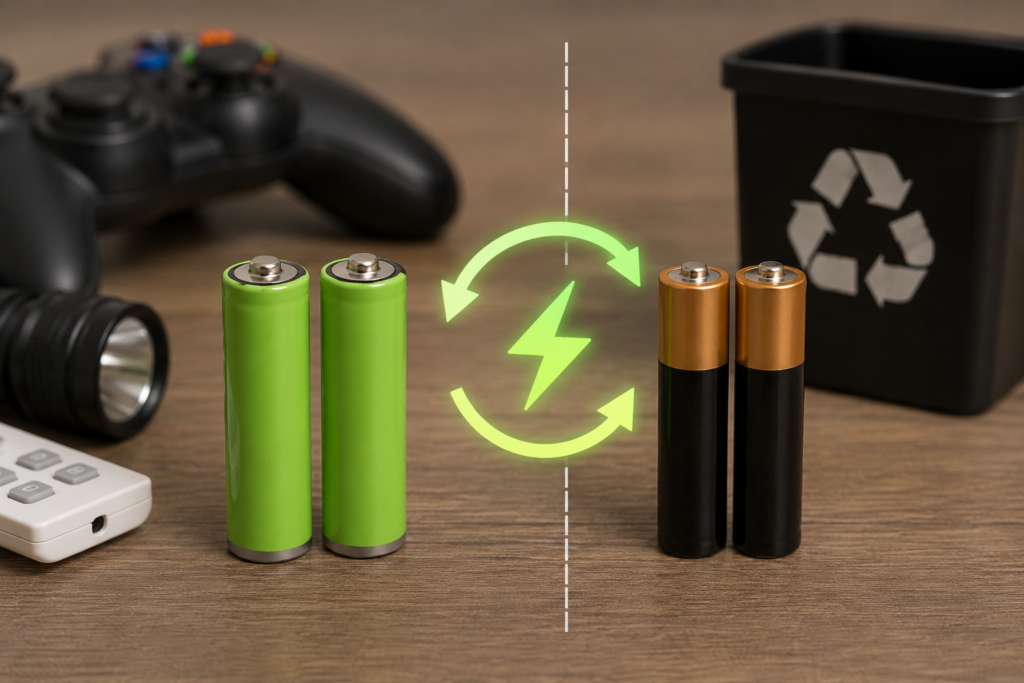
Nickel metal hydride AA batteries are rechargeable batteries designed for repeated charging cycles.
What Does NiMH Stand For?
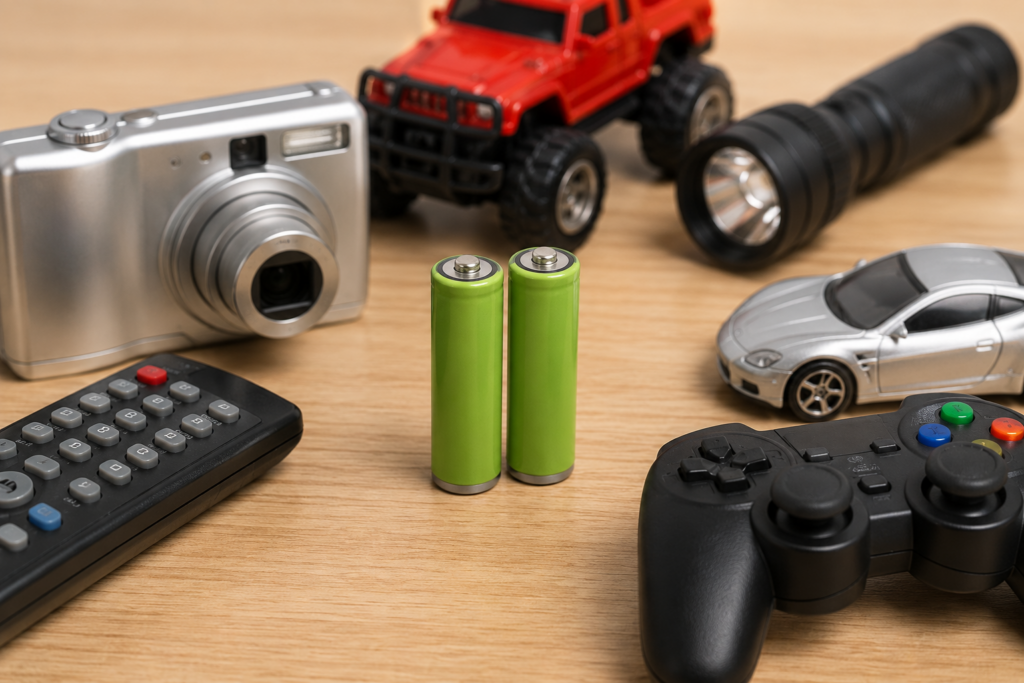
NiMH stands for Nickel-Metal Hydride, a rechargeable battery chemistry commonly used in nickel metal hydride aa batteries.
How to Shock a NiMH Battery Safely
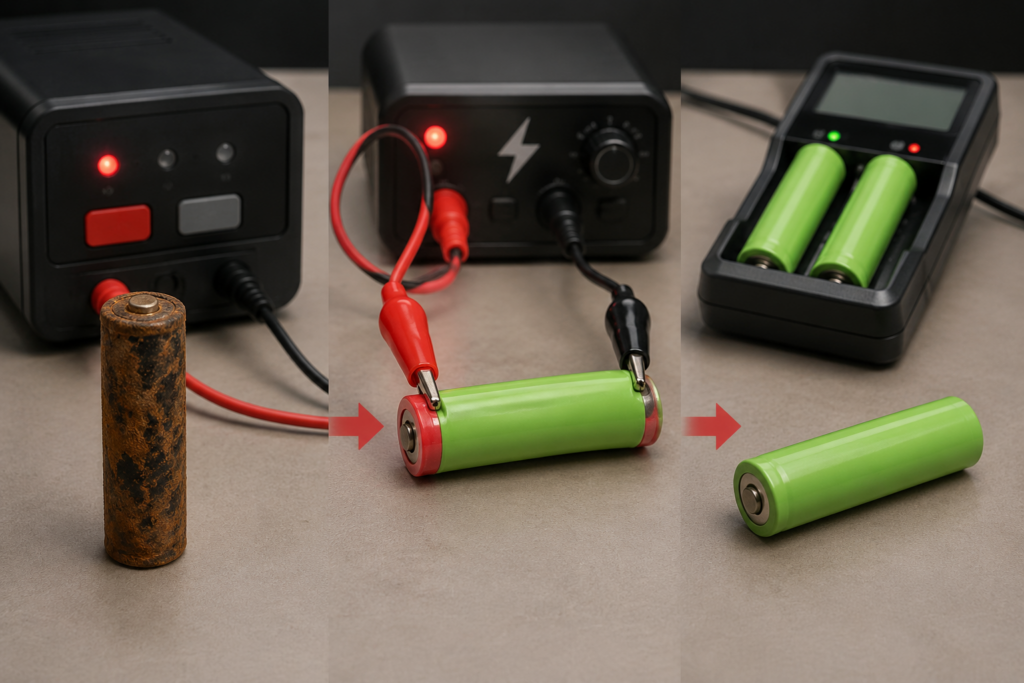
“Shocking” a NiMH battery usually means briefly applying a small external voltage to raise a deeply discharged cell above the charger detection threshold.
How to Fix a NiMH Battery That Won’t Charge?
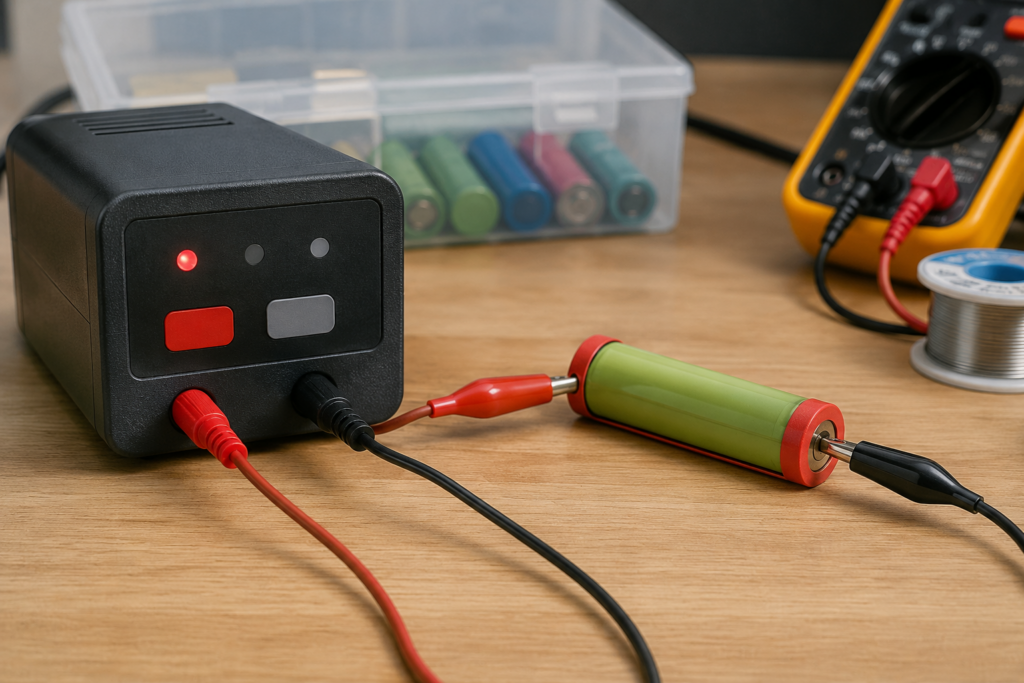
A NiMH battery that will not charge is often caused by over-discharge, voltage drop, charger detection failure, or internal resistance buildup.
How to Bring a NiMH Battery Back to Life?
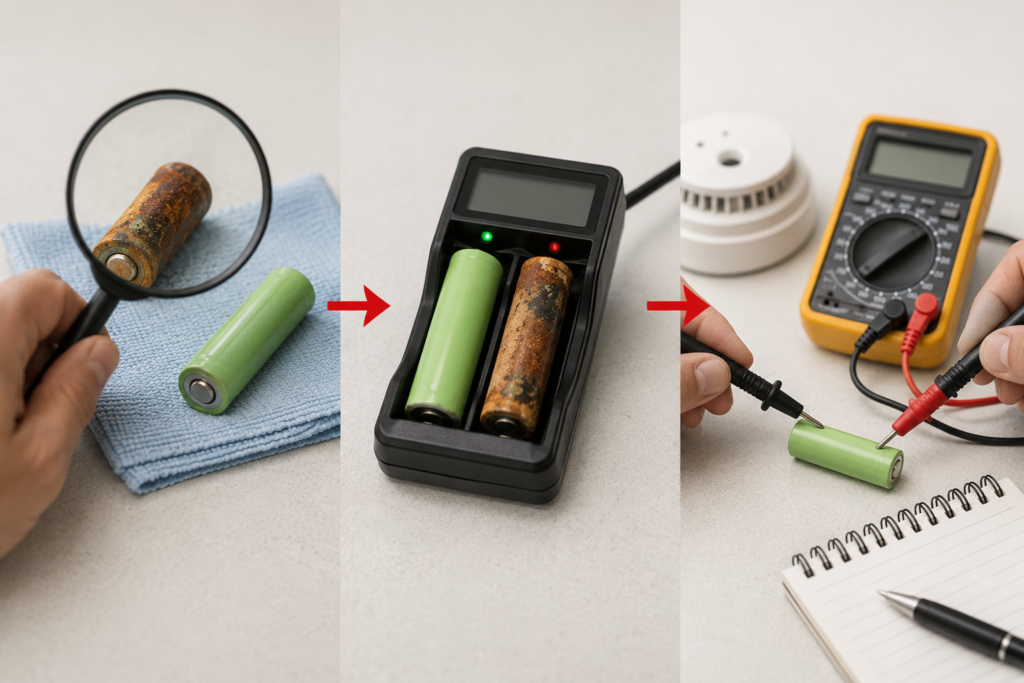
If your NiMH battery has been stored for a long time, refuses to charge, or is no longer recognized by a charger, it may not be completely dead.
Are NiMH Batteries a Fire Risk?
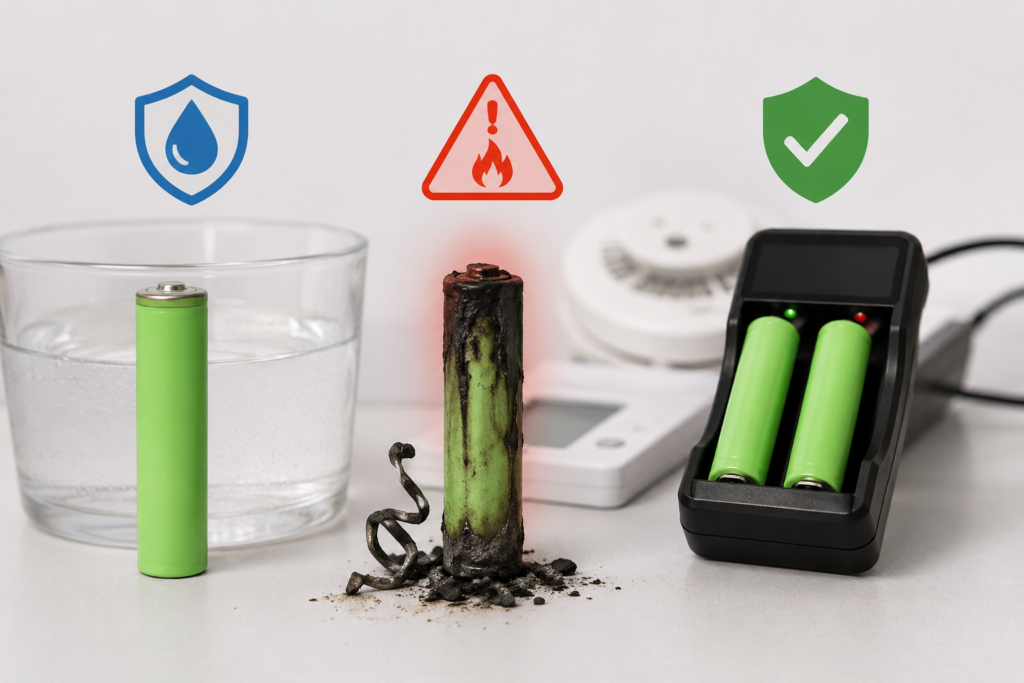
A NiMH battery is generally considered much safer than lithium-ion because nickel-metal hydride cells use a water-based electrolyte and have a lower risk of thermal runaway.
What Voltage Should I Charge a NiMH Battery?
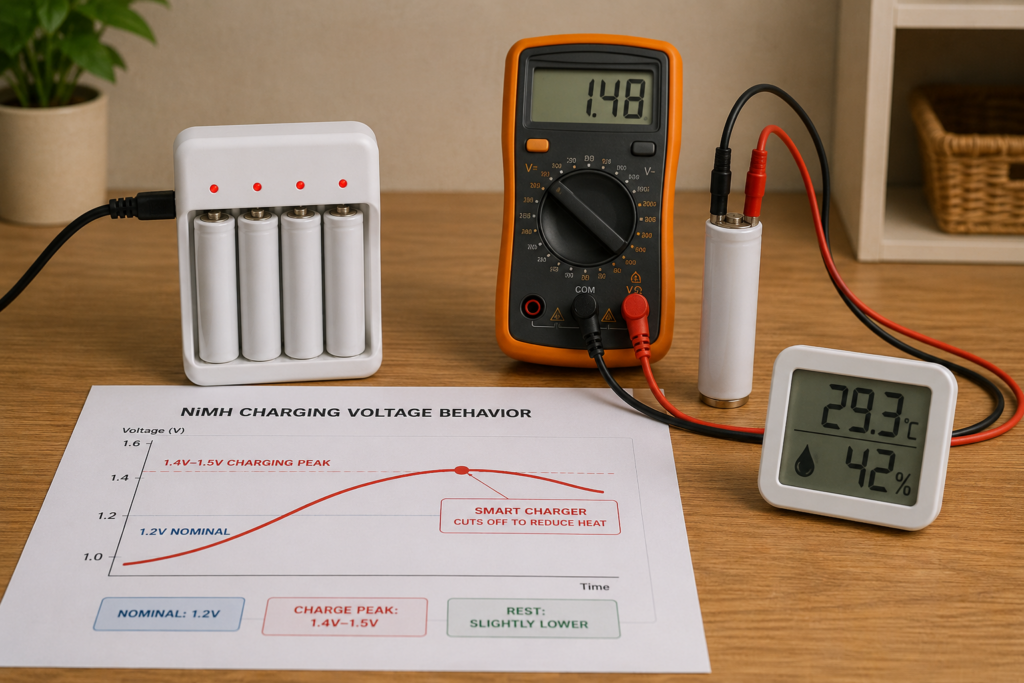
NiMH batteries are typically charged to around 1.4V–1.5V per cell, even though their nominal voltage is 1.2V.
How to Tell if a NiMH Battery Is Fully Charged
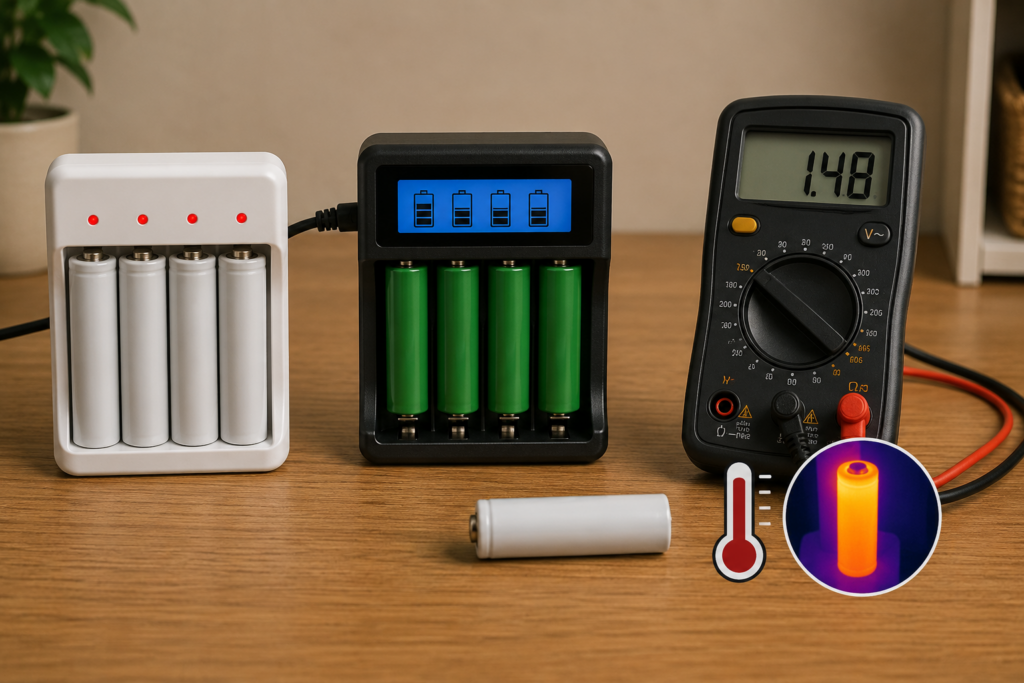
A fully charged NiMH battery usually reaches around 1.4V–1.5V per cell after charging and may feel slightly warm.
Do NiMH Batteries Need a Special Charger?
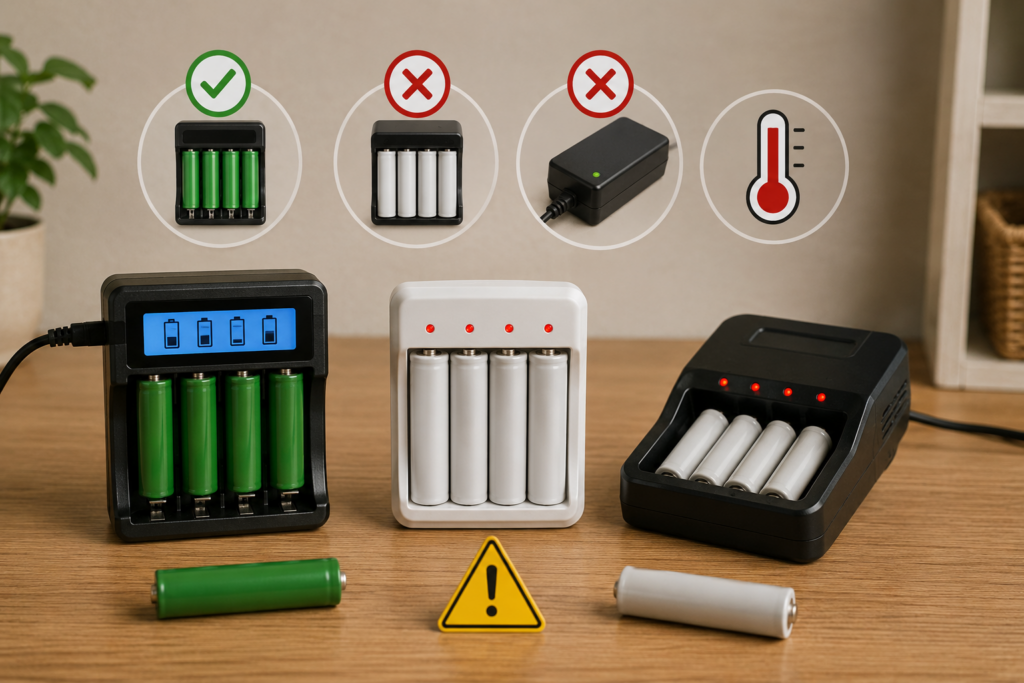
Yes. NiMH batteries should be charged with a charger designed for nickel metal hydride chemistry, not a lithium charger or a random universal charger.
How to Tell if a NiMH Battery Is Bad or Worn Out
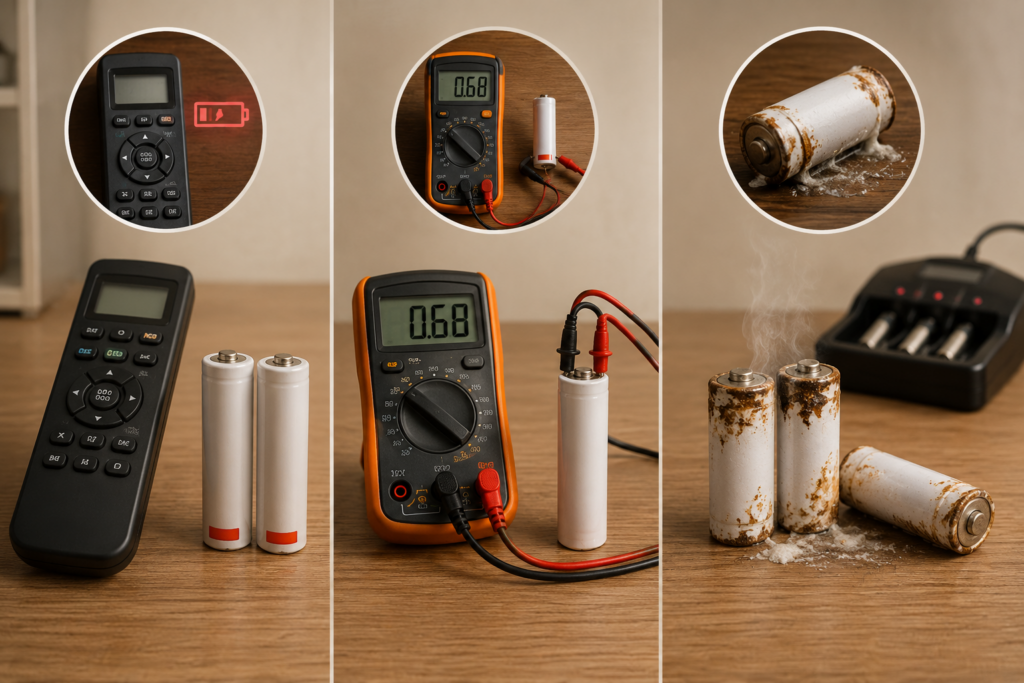
Many users start asking how long do nimh batteries last once rechargeable batteries begin losing runtime, overheating, draining quickly, or failing to hold charge.